Technology 4 min read By Alice Ashford
Rakuten Medical seeks US approval for light-based cancer treatment
Japanese biotech firm Rakuten Medical is putting most of its resources into bringing its photoimmunotherapy cancer treatment to the United States, where it is running Phase 3 trials and aims for an FDA submission in 2028.
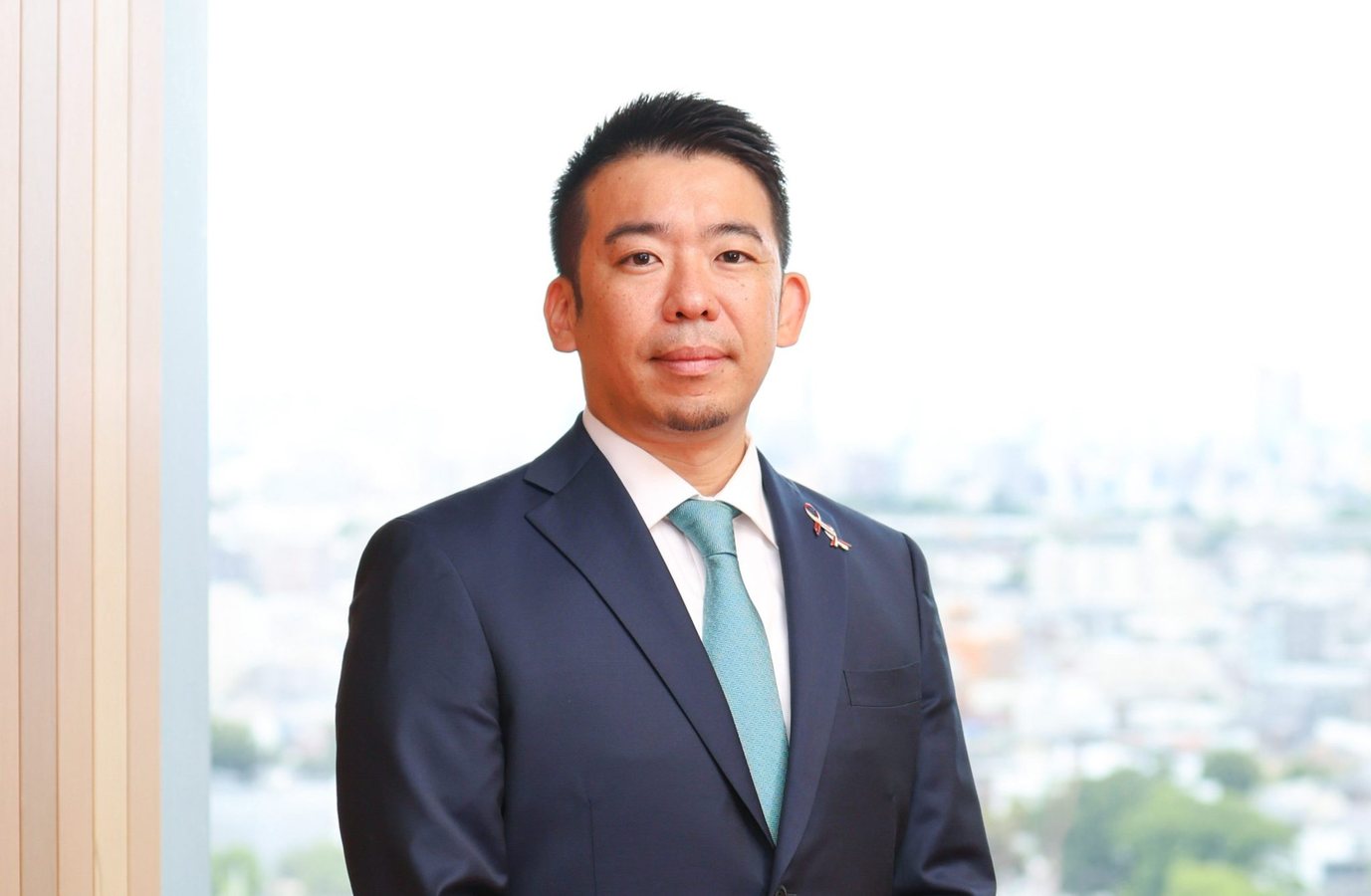
Rakuten Medical, the biotech offshoot of Japanese technology conglomerate Rakuten, is staking most of its resources on winning approval for its light-based cancer treatment in the United States. The San Diego-headquartered company says about 95% of its resources are directed at the US market, where it is running Phase 3 clinical trials and is targeting a 2028 submission to the Food and Drug Administration.
Chief executive Minami Maeda described the approach as a shift away from conventional surgical tools. "We're essentially asking surgeons to put down their knives, and pick up this lightsaber," he told Fortune, referring to the technology that uses light to treat cancer. The firm already uses its photoimmunotherapy treatment to treat head and neck cancers in Japan, and Maeda said the ambition is broader. "We want to be able to treat all solid tumors, rather than stop at just head and neck cancers, and that means we need significant capital to be invested into R&D."
The technology has both Japanese and American roots. In 2011, Japanese scientist Hisataka Kobayashi and his team at the US National Cancer Institute found its therapeutic potential by accident. Maeda said the researchers were using photoimmunotherapy to visualise cancer cells rather than to treat them. "But when they were doing an experiment, they realised that cancers were disappearing, and eventually attempted to use it for therapeutic reasons."
Rakuten Medical now produces two core products. The first is a proprietary cancer drug, Akalux, which binds to the epidermal growth factor receptor on cancer cells and tags them with a light-activated dye. The second is a technology platform, Alluminox, used to administer the treatment. Red light is then applied to selectively destroy the tagged cancer cells. The company argues this approach is minimally invasive and helps preserve patients' quality of life. Maeda said he hopes that within a decade the technology will be seen as a fifth pillar of cancer care, alongside surgery, radiation, chemotherapy and immunotherapy.
Adoption in Japan was not immediate. Maeda said doctors found it hard to understand why they should forgo surgery. "It's not a refusal; it's a challenge for the doctors to understand: why am I not going to do surgery?" The firm treated just 30 patients in its first year in Japan. It now treats about 700 to 800 patients a year across around 200 hospitals.
To overcome that hesitancy, Rakuten Medical installs the Alluminox platform in hospitals free of charge and charges only a minimal fee per use. Its revenue comes mainly from sales of the Akalux drug, a pricing model similar to selling razors cheaply and blades at a higher margin. "If your company sells both printers and ink, you can't sell both at very high prices, since the printer is an enabler," Maeda said. He added that the Japanese branch is profitable, while the global entity runs at a loss because of heavy research spending.
In the shorter term, Maeda is looking at markets nearer home, including Taiwan, Macau, Singapore, Hong Kong and Saudi Arabia, which recognise Japanese regulatory approval of Akalux. Rakuten Medical can therefore market the product in those territories before it secures FDA approval. Maeda said Macau could serve as a gateway to the wider Greater Bay Area and eventually mainland China. "Once we treat a few dozen patients in Macau, it opens up a gateway for the Greater Bay Area," he said, adding that Chinese population data would help in discussions with potential partners. He also said the company hopes to bring the technology to emerging markets in Southeast Asia, arguing that its relatively low cost and ease of deployment could help those populations.
5