Business 5 min read By Arthur Ellington
Broadcom and Nvidia Lift S&P 500 Within 1.2% of Record High
The S&P 500 moved back close to its record high on Tuesday, even though most of its stocks declined. AI stocks such as Broadcom and Nvidia offset the losses.
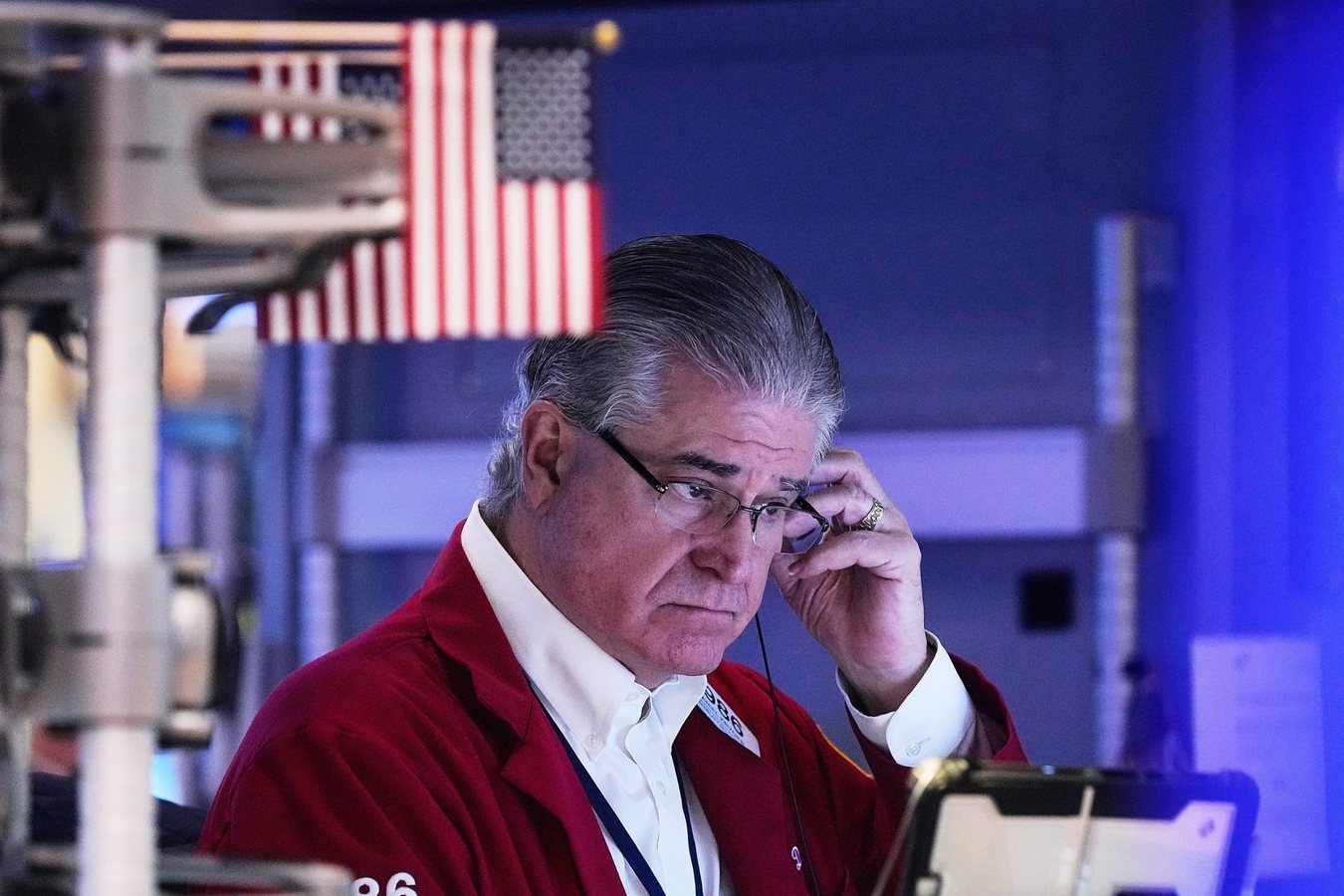
Artificial intelligence stocks led Wall Street higher on Tuesday. The S&P 500 rose 0.6 percent and now sits just 1.2 percent below its all-time high, which was reached at the beginning of the month. The Dow Jones Industrial Average gained only 25 points, less than 0.1 percent, while the technology-heavy Nasdaq Composite rose 1.2 percent.
Gains in the influential AI stocks offset the fact that most shares in the S&P 500 fell on the day. The sector's shares are on track for a second consecutive day of gains after fluctuating sharply for weeks. The unrest was triggered by concerns that the boom could be at risk because it has become more expensive for companies to borrow money to build data centers and buy AI chips.
Broadcom rose 4.2 percent after the company announced a financing agreement worth 63 billion dollars. Several Wall Street firms are reportedly helping Anthropic gain access to Broadcom's XPU AI accelerators and networking solutions. Nvidia gained 0.8 percent and, according to the report, was one of the strongest forces supporting Broadcom in lifting the S&P 500. CoreWeave, a company that has borrowed money to buy AI chips and rent them to customers via the cloud, jumped 8.5 percent after recent sharp hour-to-hour swings.
General Motors climbed 5.6 percent after the automaker announced it would move its stock listing from the New York Stock Exchange to the Nasdaq. The company said the Nasdaq, where several of the world's largest technology companies are listed, fits its technology-driven strategy. The switch could also pave the way for inclusion in the Nasdaq-100 index, which would force investment funds that track the index to buy the stock. GM had been traded on the NYSE since 1911.
JetBlue Airways rose 20.3 percent, even though the airline reported a larger loss for the summer than analysts had expected. CEO Joanna Geraghty said the company expects to return to sustained operating profits next year and aims for earnings of at least 1 dollar per share in 2028. Investors had apparently expected something worse, after the stock had already lost almost 48 percent so far this year. Royal Caribbean Group, the cruise operator, rose 5.5 percent after reporting a stronger-than-expected summer profit and raising its full-year profit forecast.
Overall, companies are under pressure to deliver significant earnings growth. Expectations from analysts and investors are high, which recently drove share prices to record levels despite high inflation, high interest rates and other burdens. Boeing fell 10.2 percent after the group reported a bigger-than-expected loss for the latest quarter. Hilton Worldwide Holdings dropped 2.6 percent because summer revenue came in weaker than forecast; the profit guidance range for the last three months of the year averaged below expectations. The hotel company cited an "increasing impact from the Middle East" in the quarter.
Sherwin-Williams slipped 1.9 percent after the paint maker reported weaker-than-expected profit. High mortgage rates have slowed the housing construction industry, which in turn is weighing on demand for the company's paints and coatings. CEO Heidi Petz said: "Customer sentiment and the leading indicators we track point to subdued demand for the rest of the year and into 2027." At the same time, rising raw material costs due to inflation are burdening the company.
Consumer confidence in the United States had also fallen significantly recently, as high inflation weighs on households. However, a report on Tuesday showed that consumer confidence improved in October, although economists had expected a further deterioration. In the bond market, yields on U.S. Treasury securities remained relatively stable one day before the Federal Reserve's scheduled interest rate decision. The yield on the 10-year Treasury note fell to 4.99 percent from 5.00 percent on Monday evening. The Fed had raised its benchmark rate last month for the first time in three years to curb inflation, but Wall Street widely expects it to leave rates unchanged this time.
A decline in oil prices also contributed to the restraint in yields. A barrel of Brent crude fell 1.2 percent to 109.41 dollars. On overseas exchanges, indices in Europe and Asia were mixed. Seoul's Kospi rose 3.1 percent, while Shanghai stocks fell 1.3 percent.
4