
Politics 4 min read By Callum Montgomery
Holborn and St Pancras by-election set for October 2026
Voters in the London constituency of Holborn and St Pancras are expected to go to the polls on 8 October 2026 to choose a new MP. The by-election will follow the formal writ and dissolution procedures, with polling stations open from 7am to 10pm.
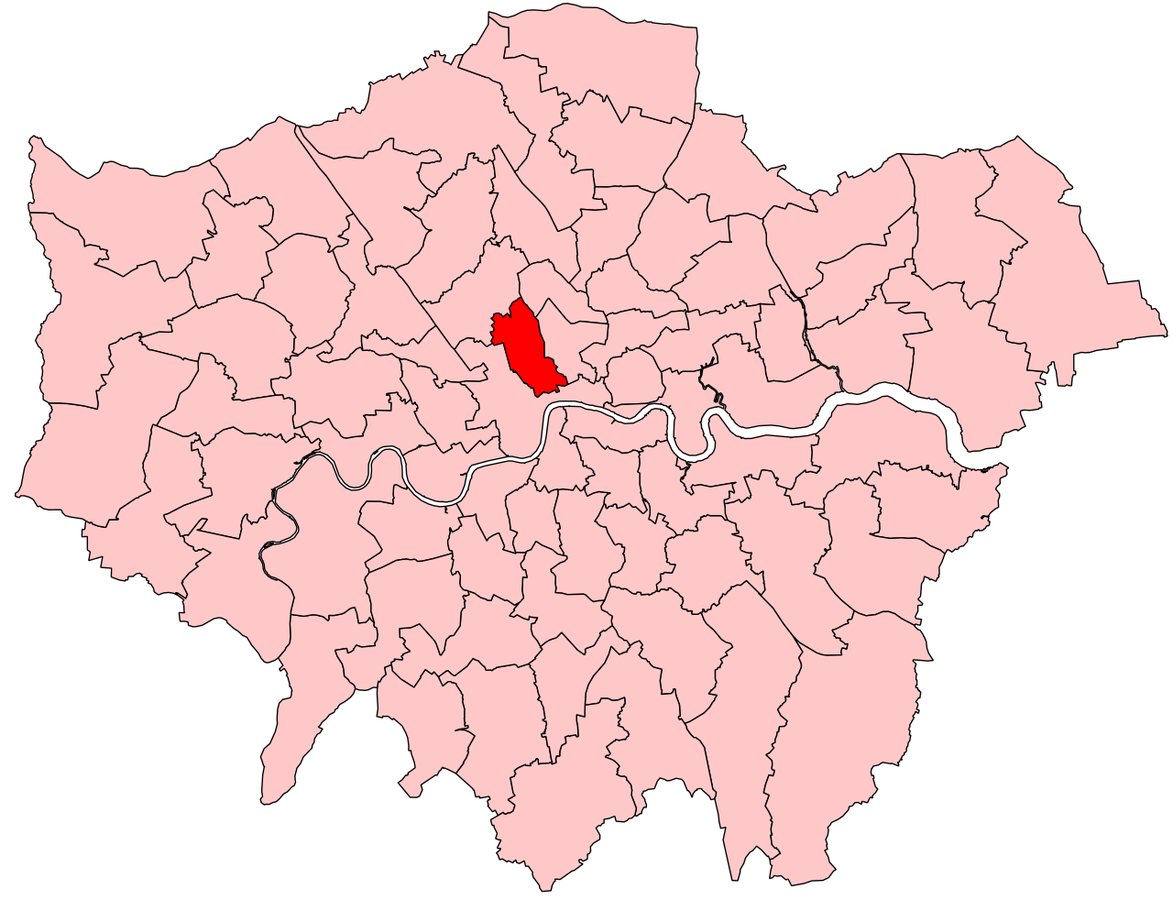
Voters in Holborn and St Pancras will go to the polls on 8 October 2026 to elect a new Member of Parliament, in a by-election that will test the major parties' standing in one of London's most closely watched constituencies. The contest is expected to proceed on that date, subject to the formal issuing of the writ, and will be run under standard UK parliamentary by-election rules.
The by-election will follow the usual timetable. Once the writ is moved in the House of Commons, the returning officer will publish the notice of election, setting the deadline for nominations and the date of the poll. Polling stations across the constituency will open at 7am and close at 10pm on polling day. Voters who are already on the electoral register will receive a poll card confirming their assigned polling station, though the card is not required in order to vote.
Residents who are not yet registered must do so before the registration deadline, which falls around three weeks before polling day. Registration can be completed online through the government's voter registration service, and those who have recently moved house or turned 18 should check that their details are up to date. The deadline to apply for a postal vote, and for a proxy vote in most cases, falls shortly after the registration cut-off. Emergency proxy votes are available in limited circumstances, such as a medical emergency or an unexpected absence for work.
On polling day, voters will be asked to show photographic identification under rules introduced for UK parliamentary elections. Accepted forms include a UK passport, a driving licence, a biometric residence permit, and certain concessionary travel cards. Voters without an accepted form of ID can apply for a free voter authority certificate before the deadline, which is normally around 5pm, six working days before the poll. Those who arrive at a polling station without valid ID will be turned away, though they may return later with acceptable identification.
Counting will take place after the polls close, with the result declared at the count centre for the constituency. The winning candidate will take up the seat in the House of Commons, and the result will be watched closely for what it signals about party support in the capital. Turnout in by-elections is typically lower than in general elections, and the outcome can hinge on local factors as much as national trends.
The by-election is expected to draw attention from across the political spectrum, given the profile of the seat and the wider context of UK politics. Parties will be selecting candidates in the months beforehand, and campaign activity is likely to intensify once the writ is moved. For voters, the practical steps are straightforward: confirm registration, check whether a postal or proxy vote is needed, and ensure acceptable photo ID is available before polling day.
Anyone unsure of their polling station or registration status can contact their local council's electoral services team. Further details on the formal timetable, including the exact deadlines for nominations and postal vote applications, will be confirmed once the notice of election is published.
3