Politics 4 min read By Bethany Hadley
Former South Korean President Yoon Suk Yeol Convicted for Election Campaign Lies
A court has found former South Korean President Yoon Suk Yeol guilty of making false statements during the 2022 presidential election. If upheld, the ruling could force his conservative People Power Party to return about 40 billion won in election expenses.
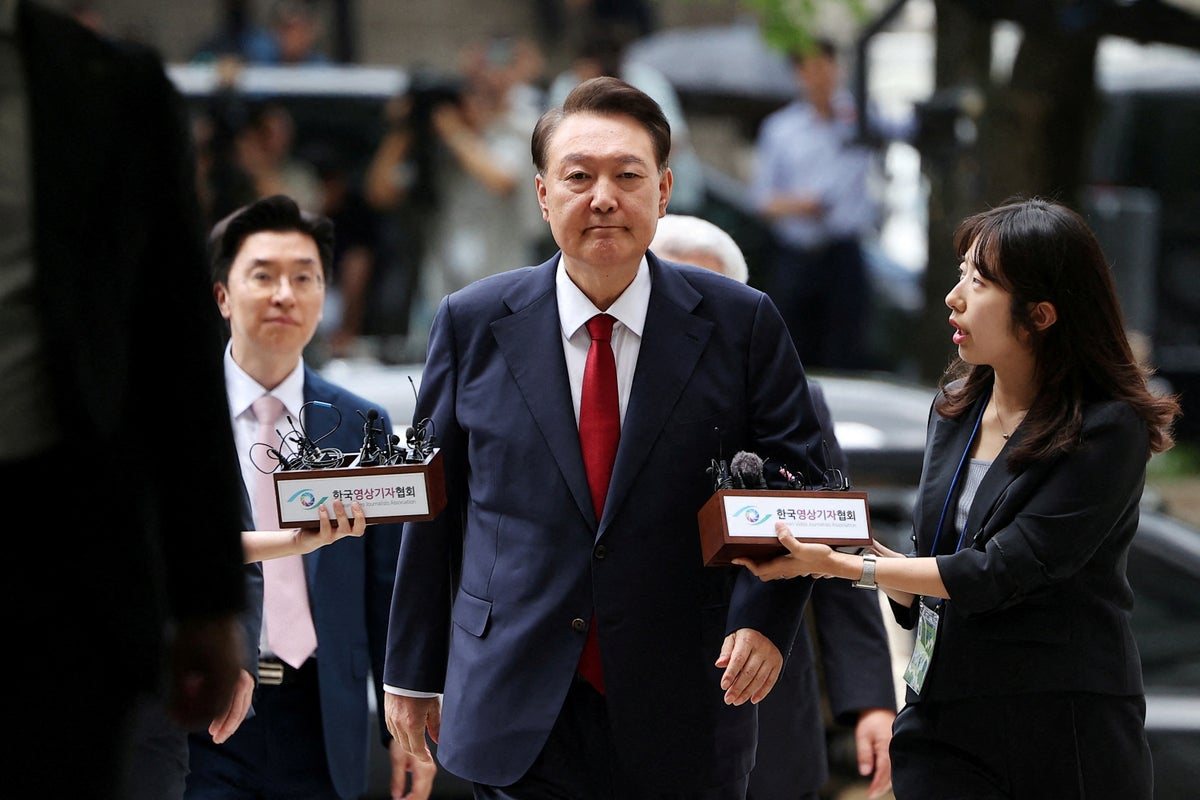
A South Korean court has convicted former President Yoon Suk Yeol on charges of spreading false information during his 2022 presidential election campaign. The ruling, delivered by the Seoul Central District Court, could have severe financial consequences for his conservative People Power Party if it is upheld on appeal.
The court found that Yoon made deliberate false statements to voters while running for office, violating election laws designed to ensure fairness and transparency. The judge determined that the claims were not mere exaggerations but constituted a calculated attempt to deceive the electorate. The exact nature of the falsehoods has not been detailed in the court's public summary, but the conviction centres on statements made during the campaign period.
Under South Korean election law, a candidate convicted of spreading false information can be ordered to forfeit state subsidies received for the campaign. In this case, the court ruled that the People Power Party must return approximately 40 billion won, equivalent to about $27 million. This sum represents a significant portion of the party's election funding and could cripple its financial operations if the ruling is not overturned by higher courts.
The conviction marks a dramatic downfall for Yoon, who served as president from 2022 until earlier this year. His presidency was marked by political turmoil and a series of scandals that culminated in his impeachment. While this conviction is separate from the impeachment proceedings, it adds to the legal troubles surrounding the former leader. The People Power Party has announced it will appeal the decision, arguing that the court's interpretation of campaign speech is overly broad and could set a dangerous precedent for political discourse.
Legal experts note that the appeal process could take months, and the final outcome remains uncertain. If the conviction is upheld, it would not only financially damage the party but also tarnish its reputation ahead of future elections. The case has reignited debate about the regulation of political advertising and the boundary between permissible rhetoric and illegal deception. Supporters of Yoon claim the prosecution is politically motivated, while critics say the verdict reinforces the principle that no politician is above the law.
The court's decision comes at a time of heightened political tension in South Korea, with several former high-ranking officials facing investigation. Observers say the ruling could deter other politicians from making unsubstantiated claims during campaigns, but it also raises concerns about judicial overreach. The People Power Party has already begun fundraising to cover potential losses, but analysts warn that the financial hit could weaken its ability to compete in the next general election. Meanwhile, the case is expected to be closely watched by political parties across the spectrum as a test of electoral integrity.
90