Politics 5 min read By Arthur Ellington
Finland finishes 200km Russian border fence
Helsinki has completed a €356m barrier system while keeping land crossings shut and seeking to extend its emergency border law. The next policy fight is over EU funding for any expansion.
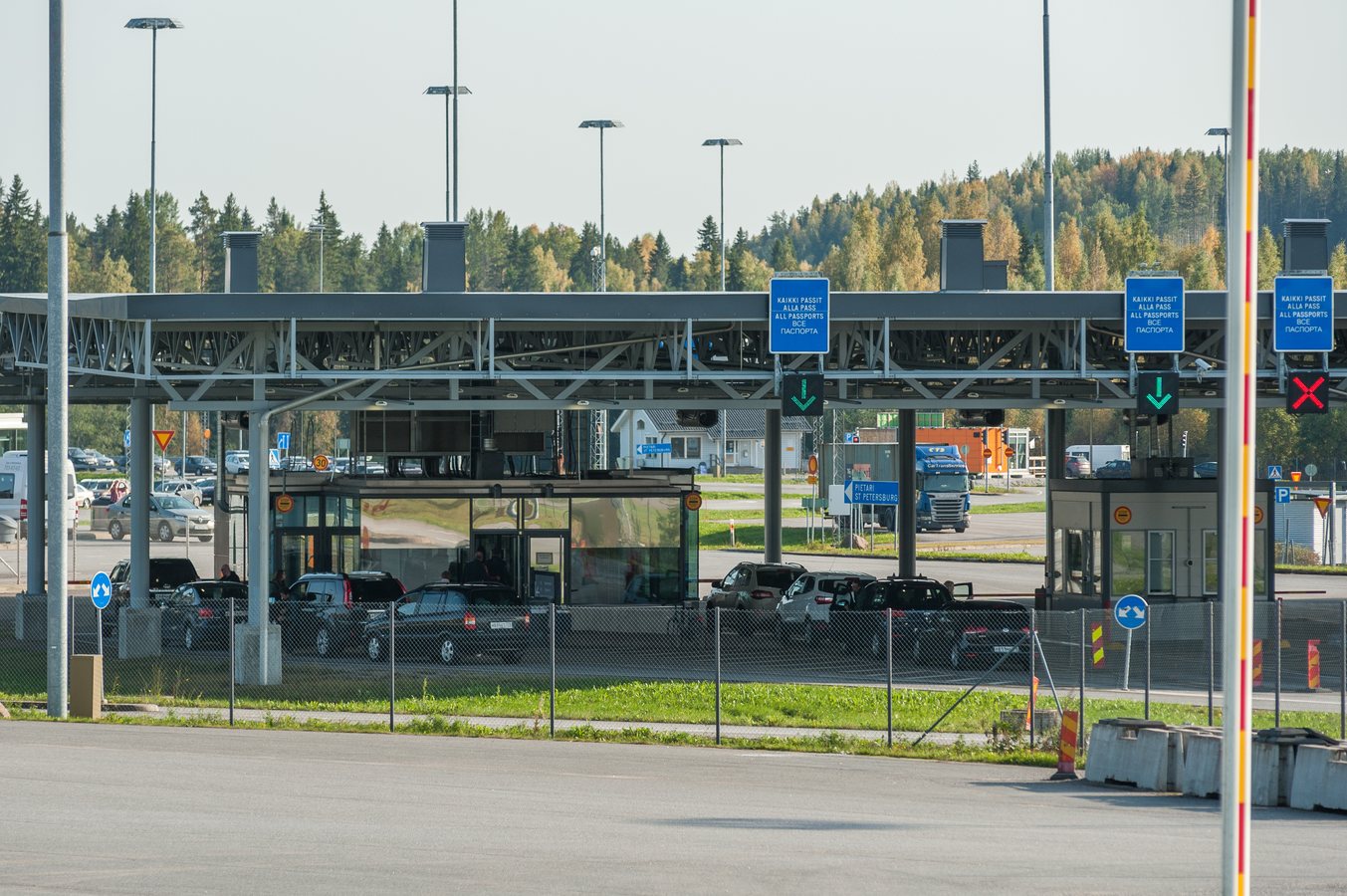
Finland has completed a 200-kilometre barrier system on selected stretches of its border with Russia, turning a security policy adopted after 2022 into permanent physical infrastructure. The project is significant not because it seals the whole frontier — the Finnish-Russian land border runs for about 1,340 kilometres — but because it concentrates sensors, roads and fencing at the places the border service judges most exposed.
The installed system combines a roughly 4.5-metre fence with technical surveillance, a service-road network and a cleared strip about 25 metres wide. Its purpose is to turn an attempted irregular crossing into a detectable event and to buy response time. The barrier delays movement, while the monitoring equipment identifies the location and the service roads give patrols access.
Construction started with pilot sections in Imatra and Salla in 2023. The main programme ran from 2024 to 2026, with extensive work at Nuijamaa beginning in August 2024. Yle says around 140 kilometres of the finished barrier are in the south-east, 35 kilometres in North Karelia and 25 kilometres spread across Kainuu, Koillismaa and Lapland.
The final official estimate is €356 million. That is lower than the roughly €380 million figure widely used during construction and €22 million below the original €378 million budget. The project mobilised hundreds of companies; at peak intensity roughly 600 people and 150 machines were at work in a day. Agreements over land and compensation involved about 1,000 property owners.
The policy case was formed by two events. Russia’s full-scale invasion of Ukraine in 2022 altered Finland’s national-security assumptions, and the eastern border then came under a new kind of pressure in 2023. More than 1,300 asylum seekers and migrants arrived through Russia without the documents normally required. Finnish authorities describe the episode as instrumentalised migration. The land crossing points were subsequently shut and have remained continuously closed since 15 December 2023.
Interior Minister Mari Rantanen signalled at the completion event near Nuijamaa that capital spending may not be over. Finland could later reassess whether more sections need barriers. Her more consequential institutional argument was directed at Brussels: eastern EU member states should receive more European funding for projects protecting the Union’s external border.
That raises a familiar public-policy question. Border infrastructure is built and maintained by national governments, but its benefits are distributed across the Schengen area. If Finland concludes that the next kilometre of fence is a European security asset rather than simply a Finnish one, the financing model may become as contested as the engineering plan.
Finland is also extending the policy architecture around the fence. On 3 September the government proposed keeping the temporary Border Security Act in force until 31 December 2028, without altering its content. The law provides exceptional tools to counter instrumentalised migration when ordinary measures are considered insufficient to protect sovereignty or national security.
The proposed 2028 date applies to the law, not to the closure of the land border. The crossings are covered by a separate decision and remain closed until further notice. This distinction matters because it shows that Helsinki is not relying on a single emergency measure: it has built a stack of physical, administrative and legal controls that can be adjusted separately.
With construction complete, attention shifts from capital expenditure to performance. The question is whether €356 million of targeted infrastructure reduces the operational burden enough to justify the model. If Finland decides to expand it, Brussels will face a concrete test of how much collective money the EU is willing to put behind the phrase ‘common external border’.
67