
Politics 4 min read By Bethany Hadley
Canadians back costly tariff retaliation against US despite economic warnings
Canada's retaliatory tariffs on US goods take effect despite economist warnings of higher inflation and slower growth. Polls show 75% support, with Canadians willing to accept higher prices amid frustration with the Trump administration.
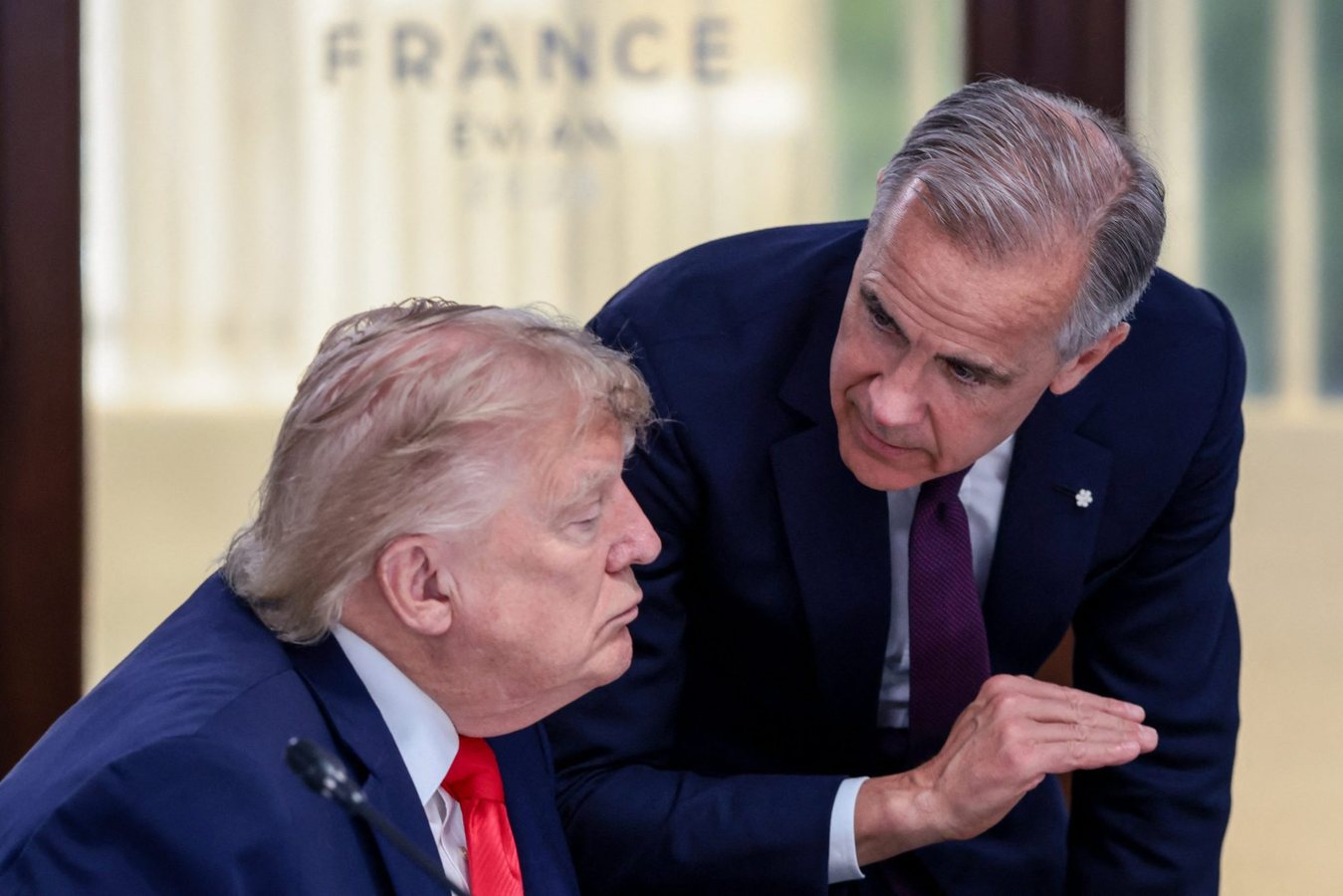
Canada has implemented retaliatory tariffs of 15% to 50% on hundreds of American goods, a move economists warn will raise inflation and slow economic growth, yet most Canadians support the policy out of frustration with the Trump administration.
The levies, which took effect on Tuesday, target US products including paper, steel, aluminium, furniture, cheese and seafood. They follow the breakdown of trade talks and the Trump administration's imposition of tariffs on $20 billion worth of Canadian goods earlier this summer. Prime Minister Mark Carney has described the strategy as a dollar-for-dollar response to American trade policy.
Oxford Economics analysts warn the tariffs will force Canadian businesses to absorb added costs and increase consumer prices. The research firm projects Canada's GDP will grow by 0.8% in 2026, but that tariffs will reduce growth in 2027 by 0.2% to 0.3% relative to its August baseline. Inflation is expected to rise by about 0.3% compared with the August 2027 baseline.
The economic impact will be unevenly distributed across the country. Ontario, New Brunswick and Quebec have the highest concentration of manufacturers affected by the tariffs and rely most heavily on US exports. British Columbia has the highest percentage of its exports, 6.1%, subject to the US trade measures. Oil-producing provinces such as Alberta, Newfoundland and Saskatchewan will be less affected on average.
Economists Tony Stillo and Michael Davenport wrote that the tariffs will help some industries but weaken growth across Canada by raising costs for producers and consumers. They noted the macroeconomic impact will likely be modest, but regional and sectoral consequences will be far more significant.
Despite these warnings, public support for the counter-levies has reached an all-time high. A Nanos Research survey conducted for CTV News found 75% of more than 1,000 respondents support the tariffs, with another 10% somewhat supporting the policy. Some 38% of Canadians said they are willing, and 31% somewhat willing, to pay more for everyday goods as a result. This comes even though nearly two-thirds of respondents said they worry about personal impacts from the trade dispute.
Canadian consumers and businesses have already begun adjusting their behaviour. Tourists are avoiding US cities, and retailers are pulling American products from shelves in favour of domestic alternatives. The urgency reflects the potential economic consequences if US tariffs go unanswered.
Trevor Tombe, an economics professor at the University of Calgary, estimates Trump's tariffs risk the loss of 90,000 Canadian jobs. These losses could come directly in sectors such as agriculture, textiles and furniture, or indirectly through reduced trade requiring less freight transportation and fewer truck drivers. Tombe described the macroeconomic effects of this round as fairly muted but warned the labour market effects reach well past the provinces the tariffs were aimed at.
Carney acknowledged in a Tuesday video address that the retaliatory tariffs will come at a cost to Canadians. His government has introduced a $7.5 billion support package including income support for workers, job transition assistance and liquidity support for affected businesses. Oxford Economics analysts anticipate this aid will not offset the overall drag from the new bilateral tariffs.
Political analysts suggest support for the tariff strategy could wane if the economy deteriorates. Julian Karaguesian, a former adviser at Canada's Finance Ministry and economics professor at McGill University, said Carney's leverage will diminish if the trade war produces palpable increases in unemployment, factory shutdowns and declining income.
58