Politics 4 min read By Arthur Ellington
Andy Burnham urges Greater Manchester voters to back Labour in mayoral election
Andy Burnham calls on residents to support Labour candidate Bev Craig in the upcoming Greater Manchester mayoral election, as the region prepares to vote on Thursday.
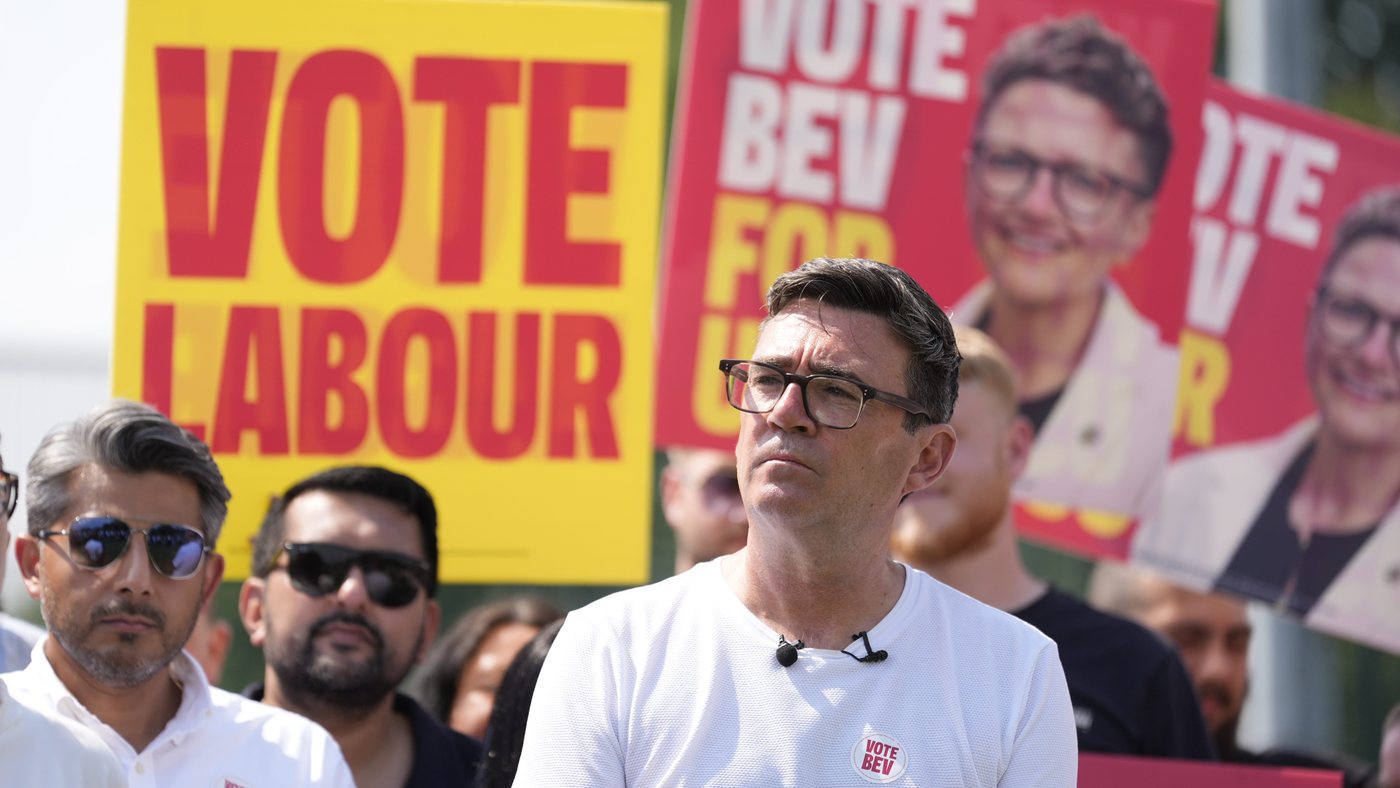
Andy Burnham has called on voters in Greater Manchester to back the Labour candidate in the upcoming mayoral election, urging them to support the party’s vision for the region. The appeal comes as the city-region prepares to go to the polls on Thursday, with Labour seeking to retain control of the mayoralty after a period of significant political change.
Burnham, who recently returned to Westminster as the Labour MP for Makerfield after a by-election triggered by his own previous resignation, used his influence to rally support for Bev Craig, the Labour nominee. In his message to voters, he emphasised the importance of continuing the work begun under his own tenure as mayor, highlighting investment in transport, housing, and public services as key achievements that could be built upon.
The election is seen as a crucial test for Labour locally, with the party aiming to hold onto a position that has given it a powerful platform in the north of England. Burnham’s endorsement carries weight because of his high profile as a former mayor and his close association with the region’s ambitions for devolution and economic growth. He has argued that a Labour victory would ensure stability and allow the mayor’s office to push forward with plans for better bus services, affordable homes, and improved health and social care coordination.
Burnham has also signalled that social care reform will be a central priority if Labour retains the mayoralty. He has spoken openly about the need for a new national care service, acknowledging the difficulty of the task but insisting that the crisis in social care demands bold action. His comments follow widespread concern about the state of adult social care in England, with many local authorities struggling to meet demand. Burnham has previously described the issue as a “political live rail” but has indicated he is ready to invest political capital in finding a solution.
The campaign has not been without controversy. Burnham has faced criticism from opponents over the cost of his proposed reforms, with some media outlets describing them as a potential “death tax”. He has pushed back against such characterisations, arguing that scare stories do not reflect the reality faced by families and care workers. “You can’t create scare stories when people are already scared by what they’re seeing anyway,” he said in recent days, dismissing attempts to frame the debate around costs rather than outcomes.
The Green Party and other smaller parties are also contesting the mayoral election, and Labour will need to mobilise its base to secure a decisive victory. Turnout will be a key factor, as will the performance of the party in suburban and rural areas outside Manchester city centre. Burnham’s personal popularity in the region, built on his record as mayor and his advocacy for the north, is expected to help Labour’s cause, but the party cannot afford to be complacent.
Beyond the immediate election, Burnham’s return to Parliament has raised questions about his long-term ambitions. Some commentators see him as a potential future leader of the Labour Party, though he has not publicly staked such a claim. For now, his focus remains on the mayoral campaign and on demonstrating that Labour can deliver tangible improvements to people’s lives. The outcome on Thursday will be closely watched not only in Greater Manchester but across the country as an indicator of Labour’s electoral strength in the north.