
Culture 5 min read By Alice Ashford
Mary Shelley's The Last Man, a forgotten pandemic novel, finds new relevance
Two centuries after its publication, Mary Shelley's The Last Man, a novel about a global plague and climate collapse, speaks directly to a world still recovering from COVID-19 and facing environmental crisis.
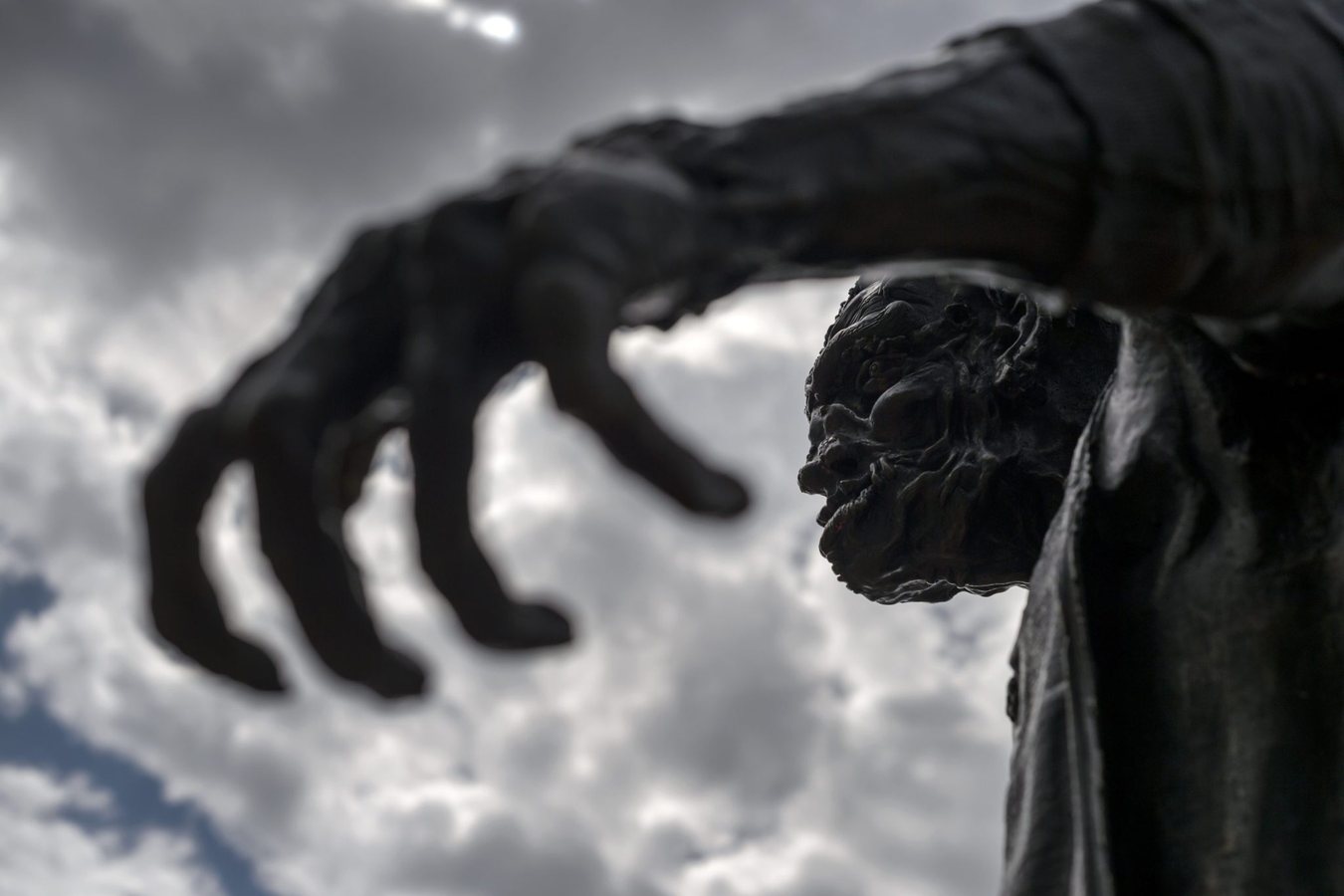
Mary Shelley is remembered almost universally for Frankenstein, the 1818 novel that invented modern science fiction and gave the world its most enduring monster. Yet her second major work of political science fiction, The Last Man, published in 1826 and set in the late twenty-first century, may be the more prophetic book. It tells the story of a lethal contagion spread by human conflict and war that sweeps the globe and appears to leave a single human survivor. With wars and climate catastrophes continuing to shape the world, and with the COVID-19 pandemic having caused around seven million deaths, Shelley's plague narrative has rarely felt so immediate.
The novel's influence on the postapocalyptic genre is difficult to overstate. Its tropes and themes have shaped two centuries of fiction, film and television. Where Frankenstein's abandoned monster becomes a plague upon his creator, The Last Man replaces the individual monster with a human-made epidemic that threatens the extinction of humanity itself. Recent television series such as The Last of Us, Midnight Mass and Station Eleven explore these same anxieties, following in the footsteps of classic films including I Am Legend, 28 Days Later and The Last Man on Earth. A new edition of The Last Man, edited to include Shelley's private Journal of Sorrow, offers readers a chance to revisit the novel alongside the diary of personal loss and grief that inspired it.
The Last Man is an epic three-volume work that opens as a court romance near Windsor Castle in the late twenty-first century. By the end of the first volume, that romance has collapsed into personal and political infidelity, destabilising England's fledgling democracy. In the second volume, the court circle's leaders, Lord Raymond and the former prince Adrian, depart to fight in the Greek war of independence against Turkey. A lethal plague spreads from the battlefield near Constantinople across the world. By the third volume, governments have fallen, anarchy reigns and humanity appears extinct, except for the novel's narrator, Lionel Verney.
Shelley's personal identification with the last man is explicit in her own writing. In July 1822, her husband, the poet Percy Bysshe Shelley, drowned in a boating accident at the age of 29. Three months later she began the diary that became her Journal of Sorrow, writing in it regularly while composing the novel. She recorded feelings of social isolation and suicidal despair after Percy's death, which had been preceded by the deaths of three of their four young children. She later told a friend that Lord Raymond was an avatar for her late friend Lord Byron, and Adrian for her late husband. On a personal level, the plague symbolised the human-made tragedies that had stripped her of nearly everyone she loved. On a political level, it served as a warning of what might await humanity if conflict and irresponsibility were left unchecked.
For twenty-first-century readers, the novel engages directly with three issues that dominate contemporary disaster: extreme weather, pandemics and species extinction. In the war-and-plague story of the second volume, the siege of Constantinople intensifies extreme heat and causes the city's ruin, while the epidemic spreads from the battlefields to the wider world. In the bleak landscape of the third volume, governments fail to cooperate to contain the contagion, leading to social breakdown, civil war and anarchy. The result is the spectre of human extinction, with Shelley writing that the vessel of society was wrecked and that man, the queller of the elements, existed no longer.
Yet Shelley does not treat apocalypse as total extermination. Life continues even as humanity dies off through its own violence and lack of cooperation. Nonhuman animals, insects, fish and plants persist, along with the dried remains of human agriculture that Verney eats. The inanimate matter of the Earth endures, as does its atmosphere, and the planet's waterways keep running. In a world still reckoning with the consequences of a global pandemic and the accelerating effects of climate change, that vision of endurance beyond human catastrophe gives The Last Man a resonance its author could scarcely have imagined.
5