Economy 5 min read By Bethany Hadley
UK inflation eases to 15-month low in June as food and fuel costs decline
UK inflation fell to 2.6% in June, its lowest level in 15 months, driven by lower food and fuel prices, offering relief to households and the new government.
UK inflation eased to a 15-month low in June, driven by a decline in food and fuel prices, providing some relief to households and the newly elected government. The Consumer Prices Index (CPI) rose by 2.6% in the year to June, down from 2.8% in May, according to data released by the Office for National Statistics (ONS). This marks the lowest inflation rate since March 2023, when it stood at 2.5%.
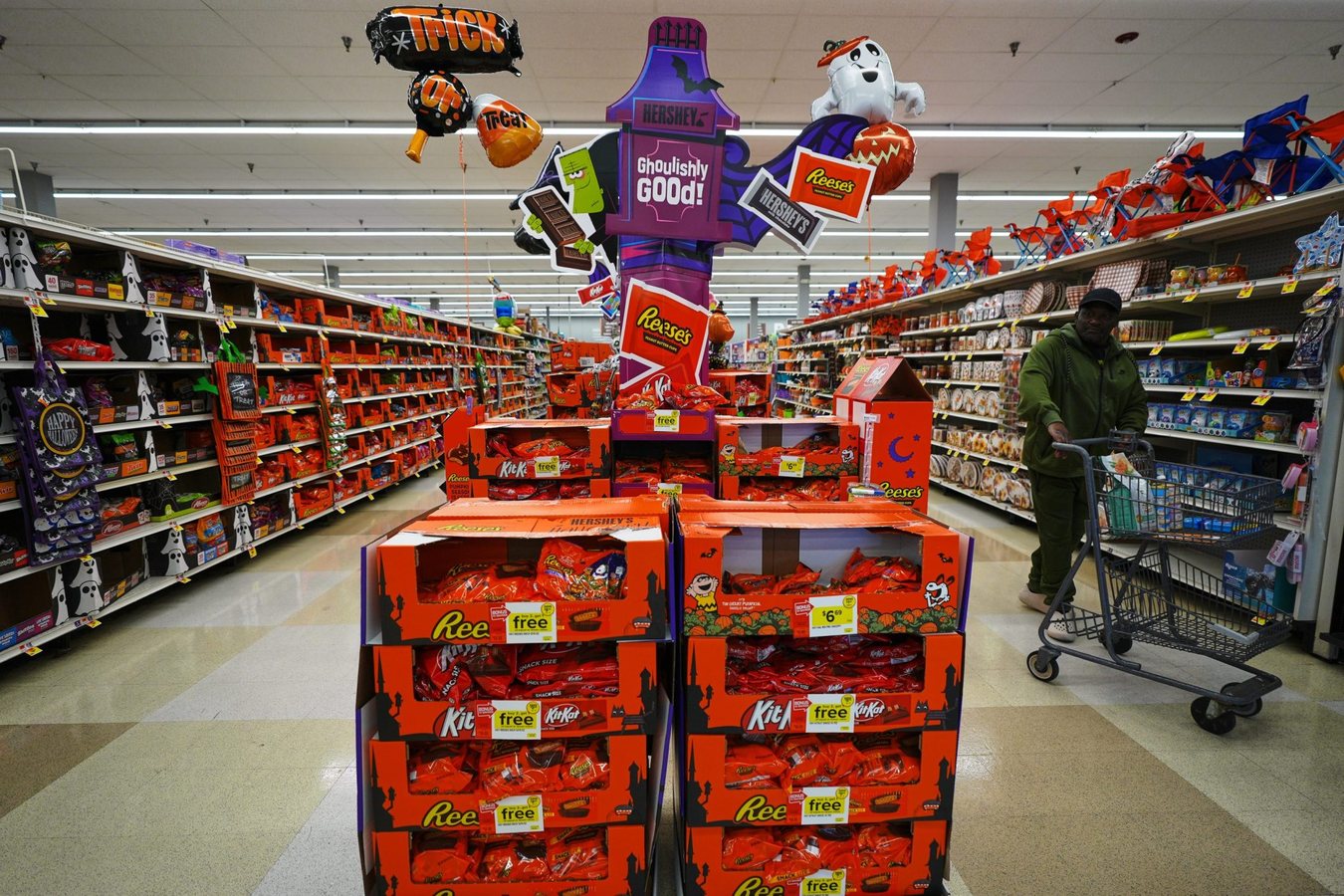
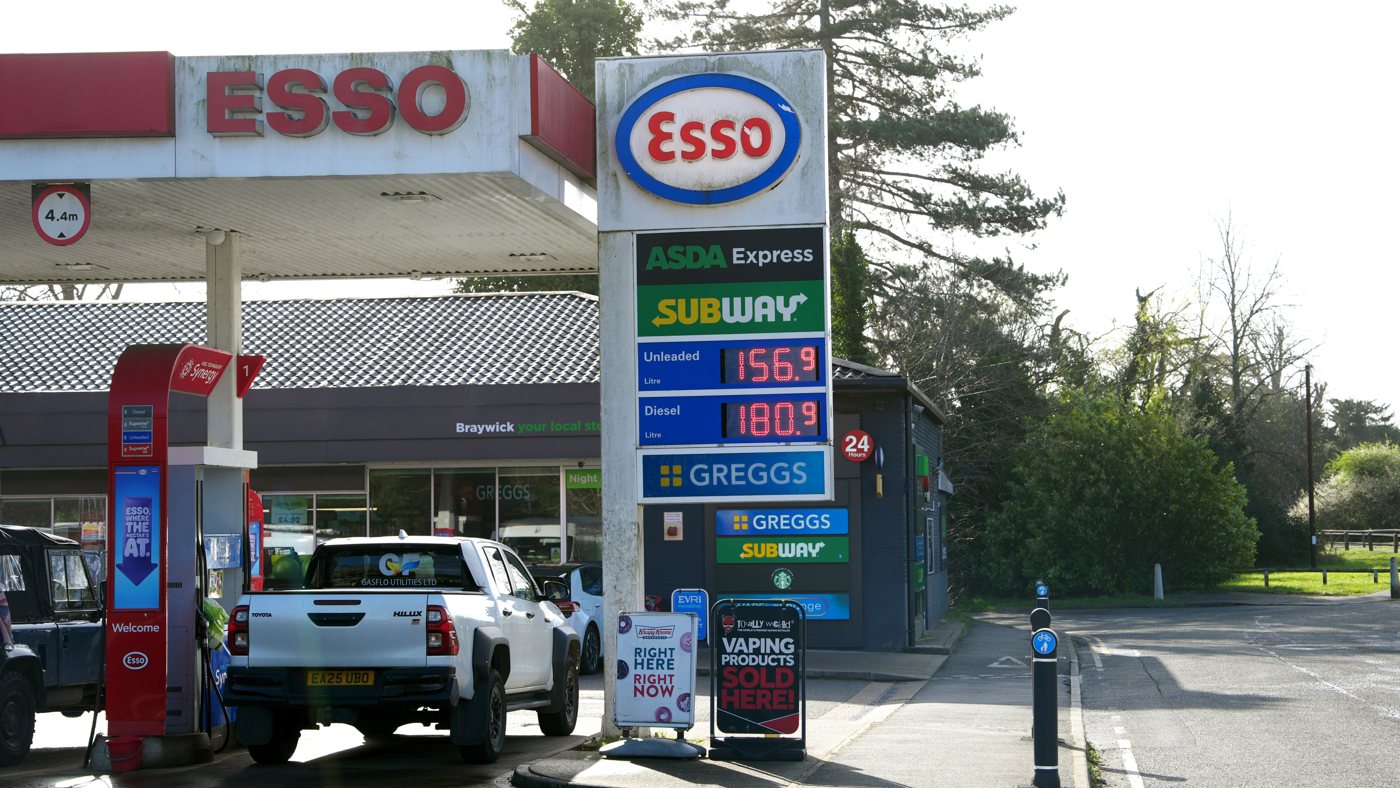
The slowdown was largely attributed to falling prices at the pump and a moderation in food cost increases. Petrol and diesel prices dropped in June compared with the same month last year, while food price inflation continued to ease from the double-digit peaks seen in 2023. These factors helped offset upward pressure from rising hotel and restaurant costs, which remained elevated due to strong demand during the summer season.
Core inflation, which excludes volatile items such as energy, food, alcohol, and tobacco, also moderated. It stood at 3.5% in June, down from 3.8% in May. Services inflation, a key measure watched closely by the Bank of England, fell to 5.7% from 5.9% in the previous month. The decline in services inflation is particularly significant as it reflects underlying domestic price pressures, which have been stubbornly high.
The latest figures come as a welcome development for the new Labour government, which has made economic stability a central priority. Chancellor of the Exchequer John Healey described the falling inflation as «news families want to hear», adding that it demonstrates the economy is moving in the right direction. However, he cautioned that prices remain high for many households and that the government must continue to focus on driving growth and easing the cost of living.
The Bank of England has maintained interest rates at 5.25% since August 2023, their highest level in 16 years, in an effort to curb inflation. The central bank’s Monetary Policy Committee is due to meet in early August to decide on the next rate move. While the drop in inflation increases the likelihood of a rate cut, policymakers have signalled they need to see more sustained evidence that price pressures are under control before loosening monetary policy.
Economists noted that the June inflation data, while encouraging, does not yet guarantee a rate cut. Financial markets are pricing in a roughly 50% chance of a reduction in August, with a clearer path expected later in the year. The ONS is scheduled to release July inflation figures on 14 August, which will provide further clues on the trajectory of prices.
The easing of inflation comes after a prolonged period of high costs that have squeezed household budgets. In October 2022, inflation peaked at 11.1%, its highest level in 40 years, driven by soaring energy prices following Russia’s invasion of Ukraine. Since then, the rate has gradually declined, but many consumers continue to face elevated prices for essentials such as food, housing, and transport.
Separate data from the ONS showed that average weekly earnings grew by 5.7% in the three months to May, outpacing inflation and providing some real-terms pay growth for workers. However, the labour market remains tight, with unemployment at 4.4% and a high number of vacancies, which could keep upward pressure on wages and services prices.
Business groups welcomed the inflation data but urged the government to take further action to support the economy. The British Chambers of Commerce called for measures to reduce business costs, while the Confederation of British Industry emphasised the need for a long-term industrial strategy to boost investment and productivity.
The pound weakened slightly against the dollar following the inflation release, as traders adjusted their expectations for interest rate cuts. The yield on 10-year government bonds also fell, reflecting increased bets on a looser monetary policy stance.
Looking ahead, analysts expect inflation to remain around the 2.5% to 3% range for the rest of the year, before gradually moving towards the Bank of England’s 2% target in 2025. Risks to the outlook include potential spikes in energy prices due to geopolitical tensions in the Middle East, as well as persistent services inflation driven by strong wage growth.
For now, the June data offers a glimmer of hope that the worst of the cost-of-living crisis may be behind the UK, though policymakers and households alike remain cautious about the road ahead.
86