Economy 6 min read By Alice Ashford
Trump says decision on 'massive attack' against Iran is imminent
US President Donald Trump has stated he is close to deciding on a 'massive attack' against Iran, larger than previous strikes, following Houthi attacks on Saudi tankers in the Red Sea and oil prices rising above $100 per barrel.
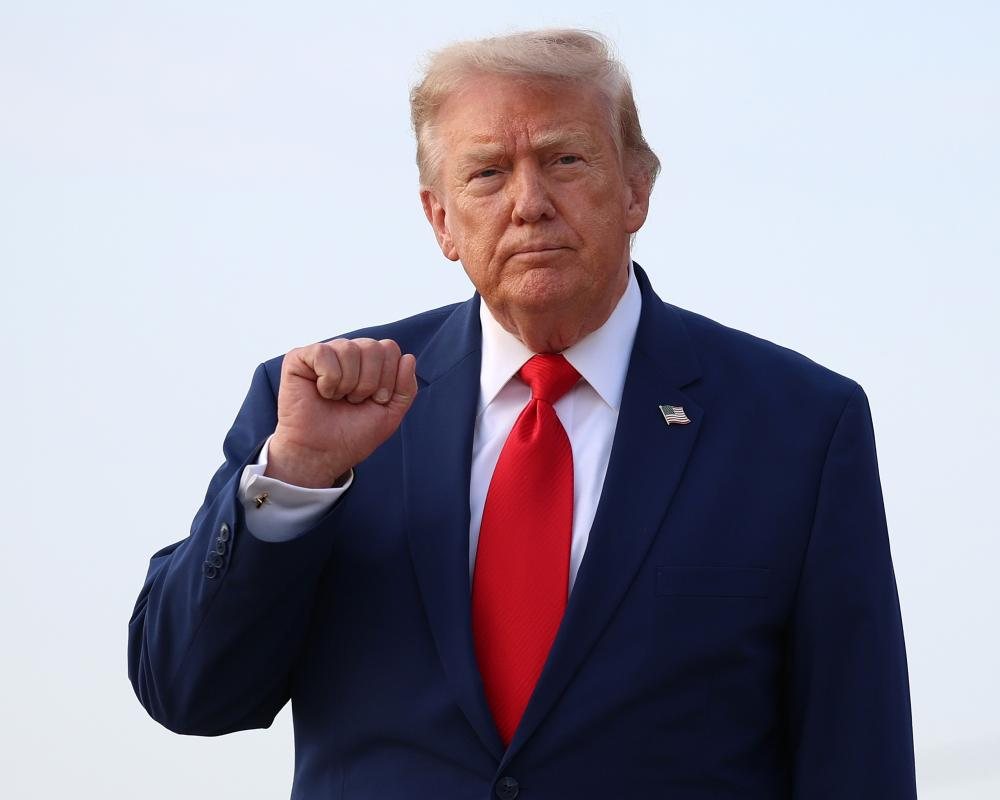
US President Donald Trump has said he is close to deciding whether to launch what he described as a 'massive attack' against Iran, on a scale larger than any strikes already carried out during the months-long conflict with Tehran. Speaking to the Axios news site, Trump stated: 'I am considering a massive attack. Bigger than ever before. I am close to making a decision. We are all set for it.' The remarks mark a significant escalation in rhetoric from the White House, as tensions in the Middle East continue to drive global energy markets into turmoil.
The president's comments come after a series of Houthi strikes on Saudi oil tankers in the Red Sea, which have disrupted shipping lanes and pushed crude prices above $100 a barrel once again. The attacks on commercial vessels have heightened fears of a broader regional conflict, with the US already engaged in direct military exchanges with Iranian forces and their proxies. Trump warned that Iran 'hasn't received enough pain yet,' signalling that the administration is prepared to intensify its military campaign.
The potential for a massive US strike on Iran has raised alarm among international observers and energy analysts, who warn that such an escalation could send oil prices even higher, exacerbating inflationary pressures worldwide. The global economy, still recovering from previous supply shocks, faces renewed uncertainty as the cost of crude oil impacts everything from transportation to manufacturing. European and Asian economies, heavily dependent on Middle Eastern oil imports, are particularly vulnerable to any disruption in the region.
Iran has responded defiantly to US threats, with its military officials vowing to retaliate against any aggression. The Islamic Republic has previously demonstrated its ability to strike at US allies and interests across the region, including through its support for Houthi rebels in Yemen. The Houthi attacks on Saudi tankers are widely seen as part of this proxy strategy, aimed at pressuring the US and its partners economically while avoiding a direct confrontation with American forces.
The US military has already conducted several rounds of airstrikes against Iranian targets in recent months, including strikes on nuclear facilities and military installations. However, Trump's latest comments suggest that the next phase of the campaign could be far more devastating. Pentagon officials have reportedly drawn up plans for a comprehensive bombing campaign targeting Iran's critical infrastructure, including oil refineries, ports, and military command centres.
The prospect of a massive attack has also sparked debate within the US political establishment. Some lawmakers have expressed concern that such a move could drag the United States into a prolonged and costly war, with no clear exit strategy. Others argue that a decisive blow against Iran is necessary to deter further aggression and protect global trade routes. The White House has not provided a timeline for the decision, but Trump's remarks indicate that an announcement could come within days.
Oil markets have already reacted sharply to the news, with Brent crude futures rising by more than 3% in early trading. Analysts predict that if the US proceeds with a large-scale attack, prices could spike to levels not seen since the 2008 financial crisis. This would have immediate consequences for consumers, particularly in countries where fuel costs are already high. The UK, for example, has seen petrol prices climb steadily in recent weeks, adding to the cost-of-living pressures faced by households.
Diplomatic efforts to de-escalate the situation have so far yielded little progress. International mediators, including representatives from the United Nations and the European Union, have urged both sides to return to negotiations, but their appeals have been largely ignored. Iran has insisted that it will not engage in talks while under the threat of military action, while the US has demanded that Tehran first halt its support for proxy groups and abandon its nuclear ambitions.
The broader context of the conflict includes a long history of animosity between the US and Iran, dating back to the 1979 Islamic Revolution and the subsequent hostage crisis. Relations have deteriorated further since the US withdrew from the Joint Comprehensive Plan of Action (JCPOA) in 2018, reimposing crippling sanctions on Iran. Tehran responded by accelerating its nuclear programme and increasing its military activities across the region.
As the world watches closely, the coming days will be critical in determining whether the US will indeed launch a massive attack on Iran, or whether diplomatic channels can still prevail. For now, the rhetoric from Washington suggests that military action is increasingly likely, with potentially far-reaching consequences for global security and the world economy.
90