Economy 5 min read By Alice Ashford
Streeting backs Trump on defence spending as Burnham reiterates Nato funding pledge
Prime Minister Andy Burnham has reaffirmed the UK's commitment to Nato spending targets, while Health Secretary Wes Streeting said Donald Trump is right to demand Europe pay more for its own defence. The government has pledged £298 billion over four years, including an additional £15 billion, as it seeks to balance defence needs with domestic priorities.
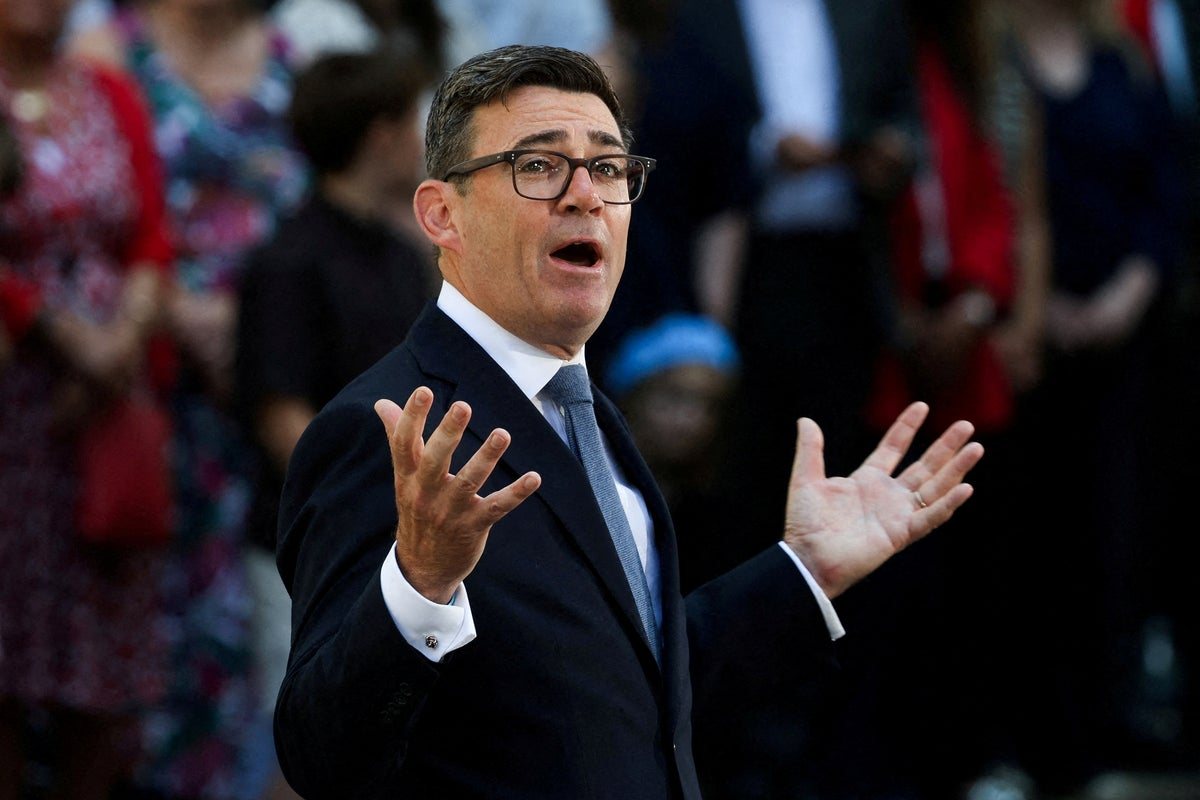
Prime Minister Andy Burnham has reiterated the United Kingdom's commitment to its Nato spending obligations, as senior cabinet members acknowledged that Donald Trump is correct to push European allies to increase their defence contributions. The new prime minister stated that the government will honour the commitments made as part of the alliance, while his defence secretary confirmed that the UK has already pledged £298 billion over the next four years, including an additional £15 billion on top of last year's spending review settlement.
Health Secretary Wes Streeting said the US president was «right» to demand that Europe shoulders a greater share of the burden for its own security. Speaking about the changing global security landscape, Streeting noted that the UK has always been a leading light on defence spending, but the world is changing and in these dangerous uncertain times it is clear that the country has needed to go further. He pointed to the recent Nato summit, where all members reaffirmed their commitment to spending 3.5 percent of GDP on defence by 2035.
Burnham, who took office after a decisive election victory, has been balancing international defence commitments with domestic policy priorities. The prime minister has made clear that there will be no unfunded policy promises, insisting that the government is reprioritising how money is being spent. This approach has been reflected in his stance on taxation and public spending, as he seeks to address the cost of living crisis while maintaining fiscal discipline.
On domestic policy, Burnham has faced questions about the future of the £2 bus fare scheme and potential tax rises. The prime minister has stated that he is reviewing how resources are allocated, but has ruled out making commitments that are not backed by secure funding. He has also indicated that the personal income tax allowance threshold, currently set at £12,570, could be raised in the upcoming Budget, though he stressed that no final decision has been made and that the move would be considered later this year.
The government's defence spending pledge comes amid growing pressure from the United States for European Nato members to increase their military budgets. President Trump has been increasingly critical of Europe for relying too heavily on the US for its security, and has called on allies to reach 5 percent of GDP on defence spending by 2035. While the UK has not committed to that specific target, the government has emphasised its record as one of the alliance's top spenders.
Burnham's administration is also reviewing the early prisoner release scheme, following anger over the potential freeing of individuals convicted in high-profile cases, including the killers of PC Andrew Harper. The prime minister has confirmed that the main perpetrator in that case will not be subject to early release, and he has pledged to review the entire policy to ensure public safety is not compromised.
The combination of defence commitments, domestic spending pressures, and tax policy considerations presents a complex challenge for the new government. Burnham has sought to project an image of fiscal responsibility while also addressing the needs of households struggling with rising costs. His insistence on no unfunded promises has been welcomed by some economists, but critics argue that the government must do more to support vulnerable families.
As the UK navigates its post-election landscape, the prime minister's handling of defence spending and domestic priorities will be closely watched. The commitment to Nato targets, coupled with the recognition of Trump's demands, signals a continuation of the UK's traditional role as a reliable ally, but the domestic implications of increased military spending remain a subject of debate.
74