Economy 5 min read By Alice Ashford
Ryanair CEO Says European Airfares Could Rise 20 Percent Next Year
Ryanair CEO Michael O'Leary expects higher airfares in Europe next year due to rising fuel costs linked to the Iran war. The airline has hedged part of its jet fuel, but the remaining requirement remains exposed to market fluctuations.
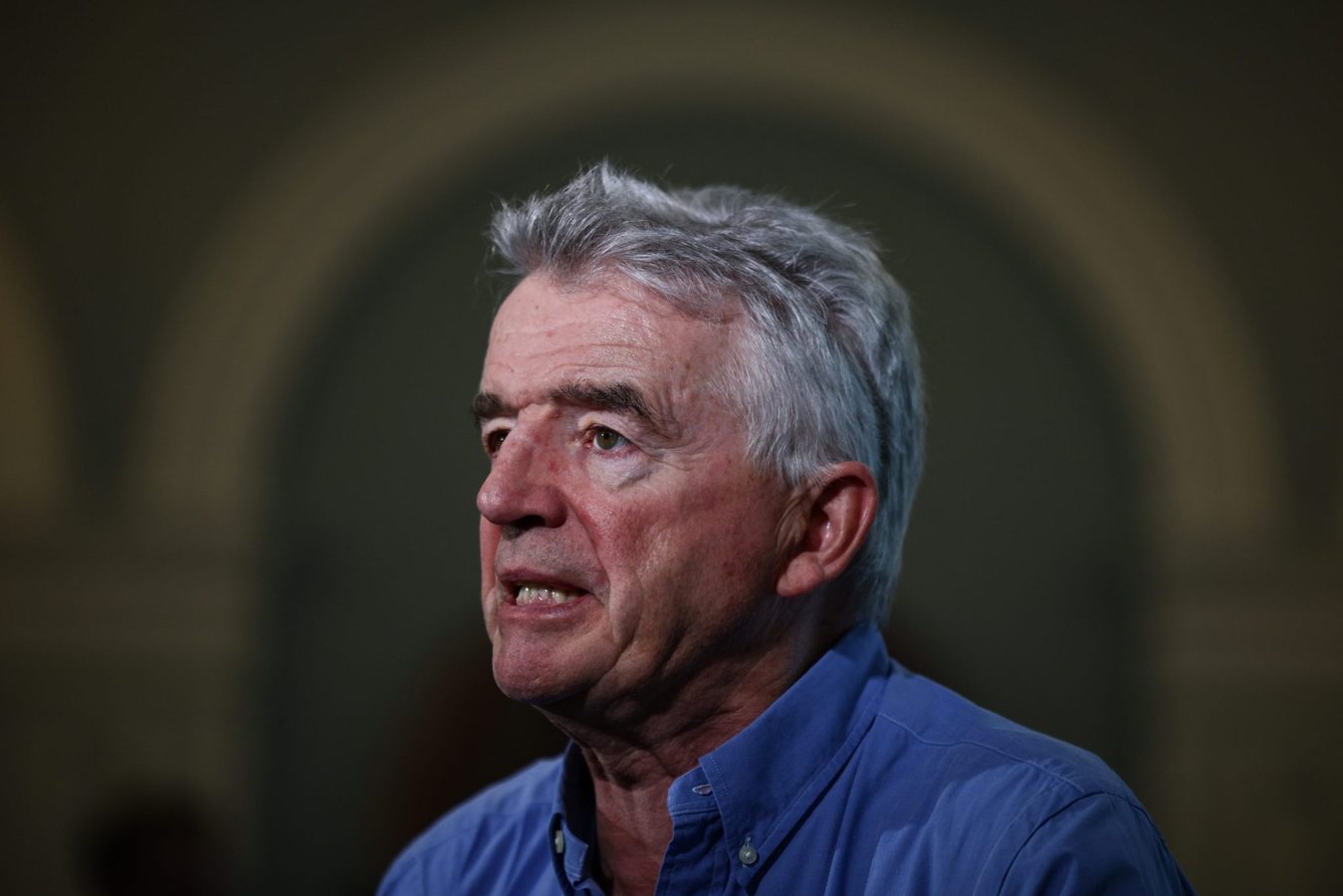
Travelers planning a trip around Europe next summer should be prepared for higher prices. Ryanair CEO Michael O'Leary said after the quarterly results of the world's largest low-cost airline that he expects price increases of 10 percent, and possibly even 20 percent, for European flight tickets next year. The remark referred to the consequences of the Iran war, which is driving fuel prices up.
The war, now in its ninth month, has disrupted global supply chains. The Strait of Hormuz, through which around 20 percent of the world's oil was transported before the war, is effectively blocked. As a result, prices for crude oil and jet fuel have risen. For airlines, fuel is the second-largest cost factor after personnel costs. The burden therefore hits the industry hard.
By passenger numbers, Ryanair is Europe's largest airline and offers an indication of what travelers could expect. The company is better hedged against rising fuel prices than many competitors because it buys jet fuel in advance. This practice, known as hedging, protects against short-term price fluctuations in the market.
According to O'Leary, Ryanair has already secured a price of 67 dollars per barrel for 80 percent of its fuel requirements through March 2027. In addition, only 25 percent of the requirement for the following financial year is covered, at around 95 dollars per barrel. The remaining requirement remains exposed to higher market prices. The North Sea benchmark Brent was at around 110 dollars per barrel on Monday, roughly 70 percent above the previous year's level.
In its quarterly report, the company said its annual fuel bill in the financial year through March 2028 would rise by around 2 billion euros. O'Leary said that to fully offset these additional costs, ticket prices would have to rise by 20 percent, or about 10 euros per passenger. He himself acknowledged that a price increase might not fully close this gap. To cover the rest, Ryanair said it is reviewing its costs, including temporary wage freezes under collective agreements that expire in April, as well as lower crew ratios.
O'Leary's remarks also highlight an additional burden for consumers who are already struggling with rising inflation, particularly in the travel sector. Air fares have also risen significantly in the United States: according to the Bureau of Labor Statistics, they were 22.4 percent above the previous year's level in September, roughly six times the overall inflation rate. The average price for a domestic flight reached 445 dollars in the second quarter, the Bureau of Transportation Statistics reported. Unlike Ryanair, major US airlines abandoned hedging years ago and are therefore more directly exposed to fuel prices.
More expensive fuel could also mean fewer flights. Ryanair has lowered its passenger target for the financial year through March from 216 million to 214 million and expects unchanged traffic for the winter in order to limit the risk of costly fuel purchases. According to O'Leary, European competitors are already cutting capacity as well. Fewer available seats could push prices up further.
O'Leary argued that higher prices could actually benefit his company. Competitors under greater financial pressure would have little choice but to raise their fares. Ryanair could thus also raise prices while preserving its cost advantage. "They are under much greater pressure to raise prices," he said during the company's conference call. Ryanair could also maintain or even widen its margins if its competitors raise their prices.
For travelers who want to combine several European cities in one vacation, the additional costs can add up quickly. A flight that costs 50 euros today would cost 60 euros with a 20 percent increase. With several family members and multiple destinations, this amounts to a noticeable sum. O'Leary therefore advised travelers not to wait for a bargain next summer but to book now. "I would recommend everyone to book early, because the longer you wait, the higher the price you will pay," he said.
Source: fortune.com
5