Economy 3 min read By Arthur Ellington
Romanian court rejects Bankwatch appeal against Tuzla–Podișor gas pipeline
Romania's High Court of Cassation and Justice has finally rejected an appeal by Bankwatch Romania against the Tuzla–Podișor gas pipeline, which is already completed and will carry Neptun Deep offshore gas.
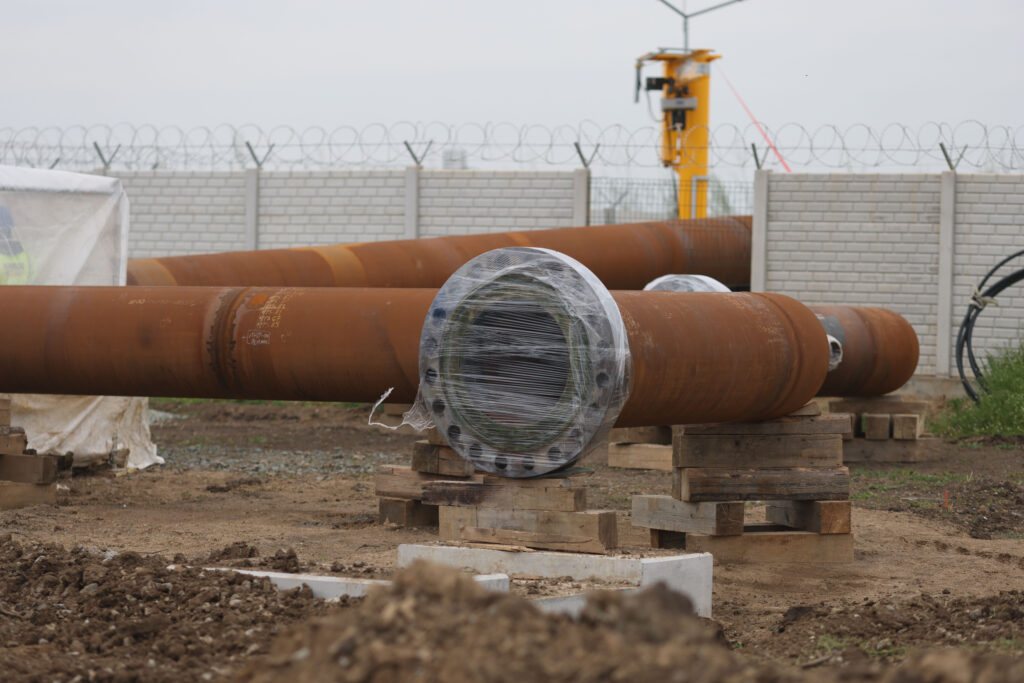
Romania's High Court of Cassation and Justice has ruled in favour of the state and Transgaz in a long-running legal challenge to the Tuzla–Podișor gas pipeline, rejecting an appeal lodged by Bankwatch Romania. The decision, numbered 4768/2026 and issued on 4 November 2026, is final and binding, closing the case against a project that is already built and commissioned.
The court dismissed the Bankwatch Romania appeal, filed through its Cluj branch, as unfounded. It also rejected an incidental appeal brought by Transgaz. The Energy Ministry and the environmental agency ANMAP were co-defendants in the case. The ruling upholds a decision of the Cluj Court of Appeal dated 29 May 2025, which had found that the right to bring the action had lapsed.
The pipeline is about 308 kilometres long and carries gas from the Neptun Deep offshore field in the Black Sea into Romania's national transmission system. The project is valued at more than 500 million euros. Offshore extraction at Neptun Deep is scheduled to begin in 2027, so the pipeline's completion positions the country to receive domestic production once the field comes on stream.
Bankwatch had repeatedly raised complaints on the same subject before filing the case that reached the top court. The lower court's finding that the window to sue had closed was central to the outcome, and the High Court's ruling leaves that position intact. With the decision final, there is no further route of appeal within the Romanian courts on this matter.
Energy Minister Dumitru Chisăliță has defended the project and argued that continued legal challenges put the security of gas supply at risk. The ministry has also warned that any delay could push up costs for consumers. It has promised that the commissioning of the pipeline and the arrival of Neptun Deep gas will lead to lower tariffs for households and industry.
The legal outcome comes against a backdrop of strain in Romania's electricity market. In a separate development, the country recorded record electricity imports on one recent day, with flows exceeding 3,400 MW after a drop in wind generation. An outage at the Cernavodă nuclear plant contributed to a sharp rise in prices, and for two days Romania became the most expensive power market in the European Union. The ministry's argument that domestic gas supply is essential to reducing reliance on imports and cutting price volatility therefore carries particular weight in the current market conditions.
Source: economedia.ro
5