Economy 3 min read By Bethany Hadley
Petrovietnam pivots to LNG, wind and nuclear after Hormuz crude shock
Vietnam's state oil group Petrovietnam was left briefly without any Middle East crude when Iran closed the Strait of Hormuz, and is now shifting its power strategy towards gas, offshore wind and nuclear energy.
Petrovietnam, the wholly state-owned oil and gas group, was left briefly with no Middle East crude at all after Iran closed the Strait of Hormuz in March, cutting off a large share of the region's crude exports. Vietnam's refinery system, which depends entirely on Middle East supplies, was among the hardest hit in Southeast Asia, and the company had to source crude through partners and from other countries to keep it running.
The episode has pushed the group to rethink its energy portfolio at a time when Southeast Asian governments are trying to balance energy security, affordability and sustainability amid rising geopolitical risk. Demand across the region is growing, supplier risk has increased, and emissions cuts remain a requirement, leaving policymakers and energy companies with few easy options.
Founded in 1975, Petrovietnam manages oil and gas operations for the Vietnamese state and has exploration work in Malaysia, Indonesia and Mongolia. It reported 2025 revenue of $24 billion and ranked No. 11 on the Southeast Asia 500 list, making it the highest-ranked Vietnamese company on that table.
Its power strategy is built around a clear sequence. In the medium term the group is focusing on liquefied natural gas. It already operates Vietnam's first two LNG-fired power plants, with a combined capacity of 1,600 megawatts. Over the longer term, the emphasis is on offshore wind and nuclear power.
In October, the company signed a $4 billion deal with Copenhagen Infrastructure Partners for the Nam Trung Bo 1 offshore wind project. A subsidiary has also delivered offshore wind substations for the Baltica 2 project in Europe, with operations due to begin next year. In March, Vietnam signed an agreement with Russia's Rosatom for a nuclear plant, and Petrovietnam has been assigned to build a separate facility, Ninh Thuan 2, in Khanh Hoa province.
The wider backdrop is strong economic growth. Vietnam's GDP expanded 8.02 per cent in 2025 to about $514 billion, and the IMF projects GDP per capita of $5,259 in 2026, which would take it past Indonesia. That growth has been driven by manufacturing, exports and infrastructure, all of which require reliable and affordable energy.
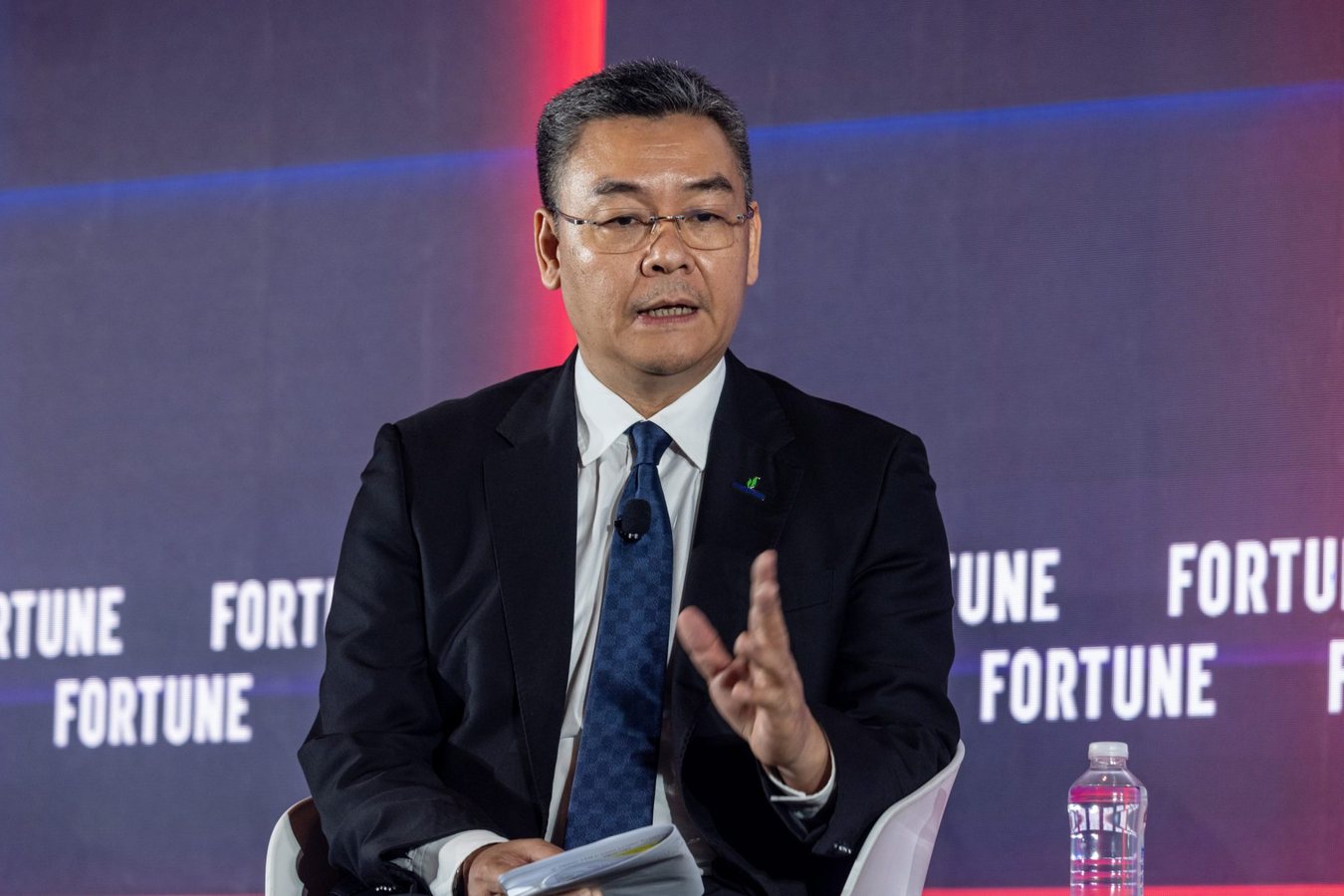
Petrovietnam's chief executive has said that a listing on the Fortune Global 500 is an aspiration, but one framed as a means to an end rather than a goal in itself. The cutoff for that list is $33.1 billion in revenue, which the group's $24 billion still falls short of. Timelines for the nuclear plants and detailed specifications for the offshore wind projects have not been set out in the material available.
Source: fortune.com
16