

Economy 7 min read By Callum Montgomery
Mortgage rates see biggest daily spike since Iran conflict as five lenders raise prices
Five major UK lenders raised mortgage rates within 24 hours, causing the biggest daily spike in average fixed mortgage rates since the start of the Iran conflict, as market uncertainty persists.
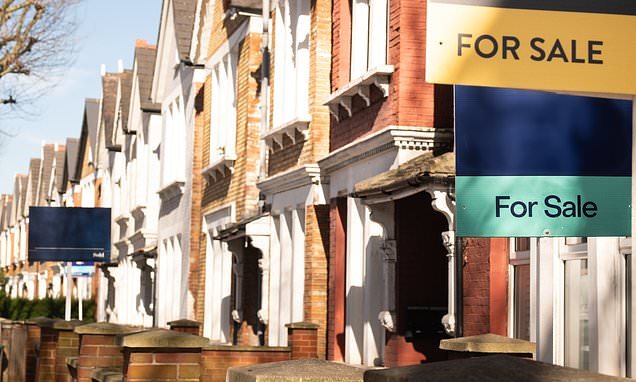
Mortgage rates in the United Kingdom have recorded their steepest single-day increase since the onset of the Iran conflict, after five major lenders raised their prices within a 24-hour period. The sharp movement reflects ongoing volatility in the mortgage market, driven by persistent economic uncertainty and shifting expectations about the Bank of England's interest rate policy.
According to financial data from, the average two-year fixed mortgage rate jumped by 0.08 percentage points in a single day, marking the largest daily rise since the escalation of tensions in the Middle East earlier this year. The average five-year fixed rate also increased, though by a slightly smaller margin. The moves come as lenders including NatWest, HSBC, Barclays, and Nationwide Building Society adjusted their product offerings, with some withdrawing deals and reintroducing them at higher rates.
The spike has alarmed homeowners and prospective buyers who are already grappling with elevated borrowing costs. The average two-year fixed rate now stands at around 5.45 per cent, while the average five-year fixed rate is approximately 5.15 per cent. These levels remain significantly higher than the historic lows seen during the pandemic era, when rates dipped below 1 per cent for some products.
Market analysts attribute the latest surge to a combination of factors, including sticky inflation data, stronger-than-expected wage growth, and revised market expectations that the Bank of England will hold interest rates higher for longer. The central bank has raised its base rate to 5.25 per cent, a 15-year high, in an effort to curb inflation, which remains above the 2 per cent target.
The timing of the rate increases is particularly challenging for the many homeowners who are due to refinance in the coming months. Millions of fixed-rate mortgage deals are set to expire this year, forcing borrowers to move onto much more expensive products. Industry figures suggest that around 1.6 million households will see their mortgage payments increase significantly when they remortgage, with some facing monthly rises of several hundred pounds.
Rachel Springall, a finance expert at, said that until there is more certainty in the economic outlook, mortgage rate movements are unlikely to calm in the weeks ahead. She noted that lenders are reacting to volatile swap rates, which underpin the pricing of fixed-rate mortgages, and that borrowers should expect further fluctuations. «The market remains highly sensitive to any economic data or geopolitical events, and lenders are adjusting their rates accordingly,» she added.
The latest increases follow a period of relative stability in the mortgage market during the summer, when rates had edged down slightly from their peak. However, the renewed upward pressure has dashed hopes of a swift return to more affordable borrowing costs. Some analysts now predict that mortgage rates may remain elevated well into 2025, unless inflation falls more quickly than expected or the Bank of England signals a shift in policy.
The government has faced criticism from opposition parties and consumer groups for not doing enough to support struggling homeowners. While Chancellor Jeremy Hunt has introduced measures such as the Mortgage Charter, which allows borrowers to extend their mortgage term or switch to interest-only payments temporarily, campaigners argue that these steps are insufficient to address the scale of the crisis. Labour has called for more direct intervention, including a mandatory scheme to prevent repossessions.
For first-time buyers, the situation is particularly bleak. High house prices combined with elevated mortgage rates have pushed homeownership further out of reach for many young people. The average deposit required for a first home has risen sharply, and affordability ratios have deteriorated to their worst levels in decades. Estate agents report a slowdown in buyer activity, with many potential purchasers adopting a wait-and-see approach.
The broader economic backdrop remains uncertain. The UK economy has shown signs of stagnation, with GDP growth flatlining in recent months. Inflation, while down from its peak of 11.1 per cent in October 2022, remains sticky at around 4 per cent, driven largely by services prices and wage pressures. The labour market remains tight, with unemployment low but vacancies declining. These conditions complicate the Bank of England's task as it tries to balance the need to control inflation with the risk of tipping the economy into recession.
Geopolitical risks also continue to weigh on financial markets. The conflict in the Middle East, along with the war in Ukraine, has contributed to volatility in energy prices and global supply chains, feeding through to inflation expectations. Swap rates, which reflect the cost of hedging against future interest rate movements, have risen sharply in recent weeks, prompting lenders to pass on the higher costs to borrowers.
Looking ahead, mortgage brokers advise borrowers to seek professional advice and to consider locking in rates sooner rather than later, even if they are higher than hoped. Some lenders are offering longer-term fixes of five or ten years, which provide certainty but at a premium. Others are offering products with lower initial rates but higher fees, which may suit borrowers with larger loans.
The coming months will be critical for the housing market and for the wider economy. If inflation continues to fall and the Bank of England begins to cut rates, mortgage costs could ease. However, if inflation proves stubborn or geopolitical tensions escalate, further increases are possible. For now, borrowers face a challenging environment with little prospect of immediate relief.
93