Economy 3 min read By Alice Ashford
Healey tells ministers to prepare budget cuts to fund Burnham pledges
Chancellor John Healey and Prime Minister Andy Burnham have told ministers that no new money will be available for recently announced pledges, and that departments should prepare for budget cuts instead.
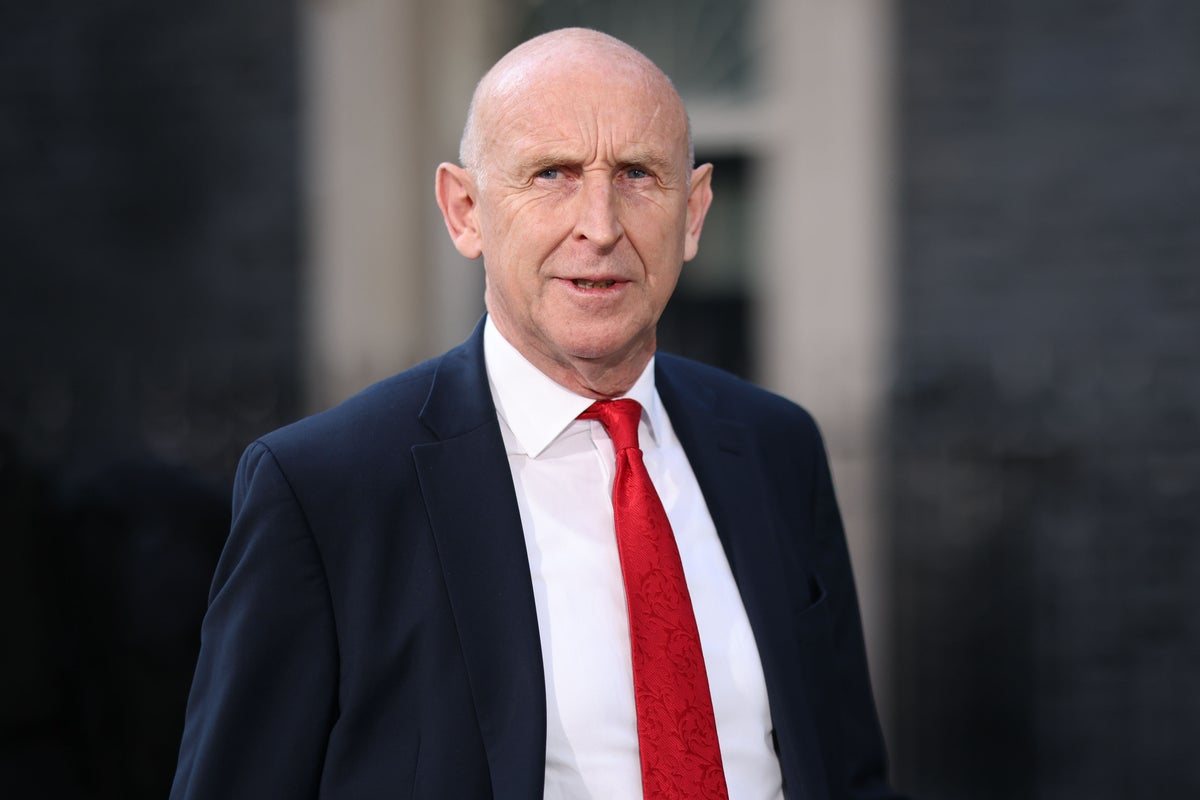
Chancellor John Healey and Prime Minister Andy Burnham have told ministers that no new money will be available to fund the government’s recently announced spending commitments, and that departments must instead prepare for budget cuts. In a joint letter, the two leaders instructed colleagues to plan for the cost of the new pledges by finding savings within existing budgets, a clear signal of fiscal restraint at the start of Mr Burnham’s premiership.
The letter warns that «there is no new money» to pay for the measures announced since Mr Burnham became Prime Minister. Rather than receiving additional funding from the Treasury, departments have been told to make room for the new commitments by reducing expenditure elsewhere. It means that any fresh spending promises will have to be met from within departmental budgets, with the financial burden falling on existing programmes.
The development follows a succession of announcements during the early weeks of Mr Burnham’s premiership that are likely to require additional public spending. The joint letter from the Chancellor and the Prime Minister is designed to make clear that those announcements do not come with additional resources. Ministers have been instructed to assess how their departments would absorb the impact of the new pledges and to prepare for cuts where necessary.
The instruction will shape budget decisions in the coming months, as departments work out how to pay for commitments already made and for any further pledges that follow. In the letter, the leadership has made clear that the default assumption is that no extra money will be available. New policy priorities will therefore need to be accompanied by plans to offset their cost.
The move is also likely to sharpen competition between departments as they prepare their spending plans. With the overall budget envelope fixed, any expansion in one area of government activity would have to be matched by reductions in another. The joint letter, sent by both the Prime Minister and the Chancellor, signals that the government intends its new agenda to be met without increasing overall spending.
For ministers, the immediate effect of the instruction is that the cost of new pledges must be absorbed within existing budgets. The task of finding those savings now falls to individual departments, which will have to reconcile the government’s ambitions with a fixed overall spending envelope. Any decision to expand one programme will need to be balanced by a decision to reduce another, meaning the coming budget cycle will be dominated by trade-offs between competing priorities.