
Economy 5 min read By Bethany Hadley
Goldman Sachs and JP Morgan now expect a September Fed rate hike
Two of Wall Street's most influential banks have told clients to prepare for another increase in US borrowing costs in September, arguing that lingering inflation will force the Federal Reserve's hand even as the economy slows.
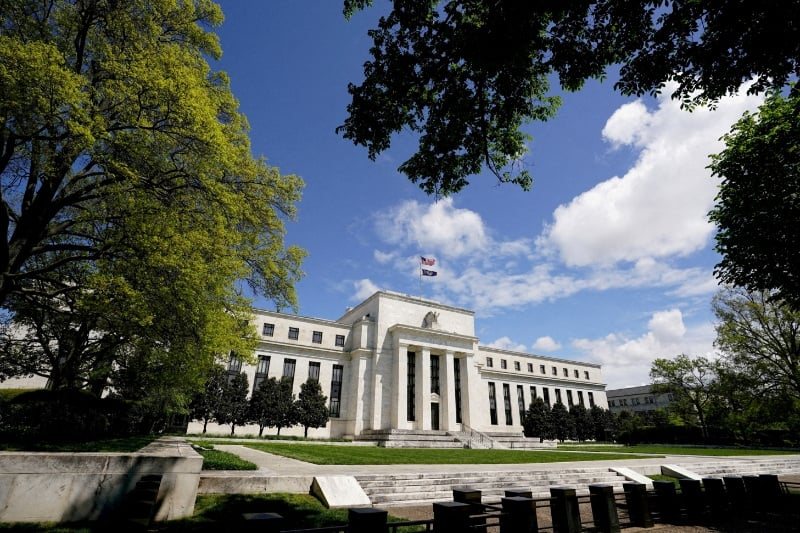
Goldman Sachs and JP Morgan have both told clients they now expect the Federal Reserve to raise interest rates again in September, a shift in forecasting that underscores how persistent inflation is reshaping expectations for the world's most important central bank.
The two investment banks had previously signalled that the US rate-setting committee was close to the end of its tightening cycle. Their revised calls suggest that price pressures in the world's largest economy are proving more stubborn than policymakers and investors had hoped, and that the Fed may have to act again to keep inflation on a downward path.
The change matters well beyond Wall Street. US interest rates set the benchmark for borrowing costs across the global financial system, influencing mortgage rates in Britain, the cost of corporate debt, currency markets and the valuation of assets held by pension funds and households. A further increase would extend the most aggressive monetary tightening in decades and add to the pressure on businesses and consumers already adjusting to higher repayments.
According to the revised forecasts, the Federal Open Market Committee is expected to lift its target rate by a quarter of a percentage point at its September meeting. That would take the policy rate to a range last seen before the 2008 financial crisis. The Fed has already raised rates sharply over the past year and a half, and officials have repeatedly said they will be guided by incoming data rather than a preset path.
The banks' shift reflects a run of economic releases showing that inflation, while down from its peak, remains above the Fed's two per cent target. Services prices and wage growth have been particularly slow to cool, even as goods inflation has eased and the housing market has shown signs of stabilising. That combination has complicated the case for a prolonged pause.
At the same time, the labour market has remained resilient, with unemployment near historic lows and employers still adding jobs. For the Fed, that strength is a double-edged sword: it reduces the risk of a sharp recession, but it also sustains the consumer demand that can keep prices rising. Officials have warned that they would rather raise rates too much than allow inflation to become entrenched.
Investors have spent much of the year debating whether the Fed would pause or push higher. The revision from Goldman Sachs and JP Morgan is significant because both institutions are closely watched by asset managers and corporate treasurers, and their calls can move market pricing for bonds and currencies. A September increase is now more fully reflected in futures markets, though traders still see scope for the decision to hinge on upcoming inflation and employment reports.
For British readers, the implications are direct. The Bank of England has been raising its own rates in parallel, and a further Fed move would sharpen the dilemma for Threadneedle Street as it weighs stubborn domestic inflation against a weakening economy. Sterling's value against the dollar, the cost of imported goods and the pricing of UK government debt are all sensitive to US rate expectations.
Companies with dollar-denominated borrowings, from airlines to property developers, would face higher refinancing costs if the Fed acts again. Emerging markets that borrow in dollars could also come under strain, as a stronger dollar and higher US yields tend to pull capital towards American assets.
Neither bank has suggested that a September increase would mark the definitive end of the cycle. Both continue to expect the Fed to hold rates at an elevated level for some time, rather than cutting quickly. That outlook implies a prolonged period of expensive money for households, firms and governments alike, and it leaves the timing of any easing dependent on whether inflation finally returns to target.