Business 4 min read By Bethany Hadley
UK property asking prices rise for first time since May, Rightmove says
Average asking prices for UK homes have increased for the first time since May, according to property portal Rightmove, signalling renewed momentum in the housing market as buyer demand strengthens.
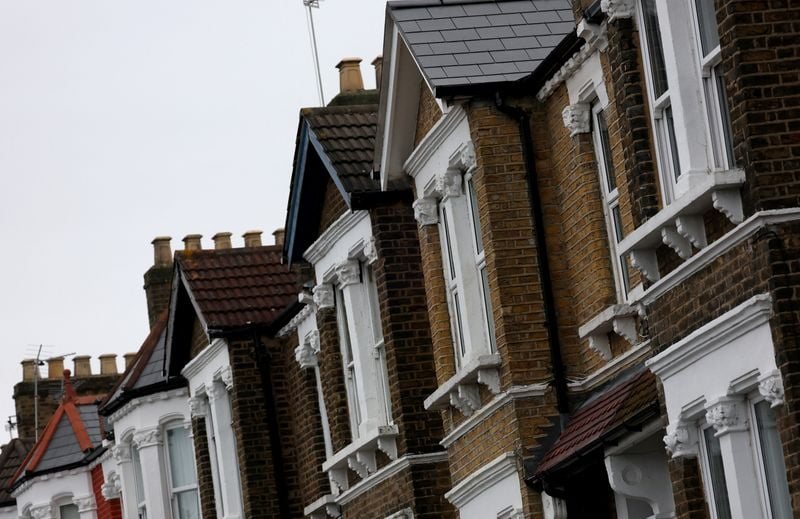
Average asking prices for homes in the UK have risen for the first time since May, according to data from the property portal Rightmove, in a sign that the housing market is regaining momentum after a period of hesitation among buyers and sellers.
The increase marks a reversal of the recent trend, which had seen asking prices soften as higher borrowing costs and broader economic uncertainty weighed on demand. Rightmove's figures are closely watched because they provide an early indication of pricing sentiment before transactions are completed, capturing the expectations of sellers rather than final sale prices.
The shift comes against a backdrop of changing conditions in the mortgage market. Lenders have been adjusting their rates in response to evolving expectations for the Bank of England's interest rate path, and any easing in borrowing costs tends to feed through to buyer affordability and confidence relatively quickly. Even a modest improvement in the cost of a typical mortgage can alter what buyers are willing to offer and what sellers feel they can ask.
Rightmove's data is based on properties newly listed for sale, making it a forward-looking indicator of market conditions. An increase in asking prices can reflect a combination of factors, including a shortage of available stock in desirable areas, a pick-up in buyer enquiries, or simply a seasonal adjustment as sellers test the market. The first rise since May suggests that the downward pressure on prices seen over the summer may be easing.
For buyers, the change will be felt in the cost of securing a home, particularly for those relying on mortgages. For sellers, it offers some reassurance that pricing power has not evaporated entirely. Estate agents have reported that well-presented properties in sought-after locations continue to attract interest, while more challenging stock requires realistic pricing to sell.
The broader economic context remains mixed. Inflation has been easing from its peak, but it is still above the Bank of England's target, and policymakers have been cautious about declaring victory. Wage growth has been relatively robust, which supports household budgets, but consumer confidence remains fragile after several years of squeezed living standards.
Housing market activity is also influenced by the supply of homes coming to market. If more sellers are encouraged by rising asking prices, an increase in stock could temper further price growth by giving buyers more choice. Conversely, if supply remains constrained, prices could continue to firm.
Rightmove's findings will be scrutinised by economists and policymakers as they assess the health of the housing market and its implications for consumer spending and overall economic activity. The property sector is a key barometer of household sentiment, and sustained price growth can support spending through the wealth effect, while a prolonged downturn can weigh on it.
For now, the first increase in asking prices since May points to a market that is finding its footing rather than one in rapid recovery. The coming months will show whether the uptick is sustained or merely a temporary blip as the market adjusts to the new interest rate environment.