Economy 4 min read By Alice Ashford
Gaza's economy faces deepest crisis on record as 90% of workforce is jobless
A UNCTAD report says roughly 90% of working-age Palestinians in Gaza are unemployed and 92% of economic units have been damaged or destroyed after more than two years of war, leaving the enclave's economy in an unprecedented collapse.
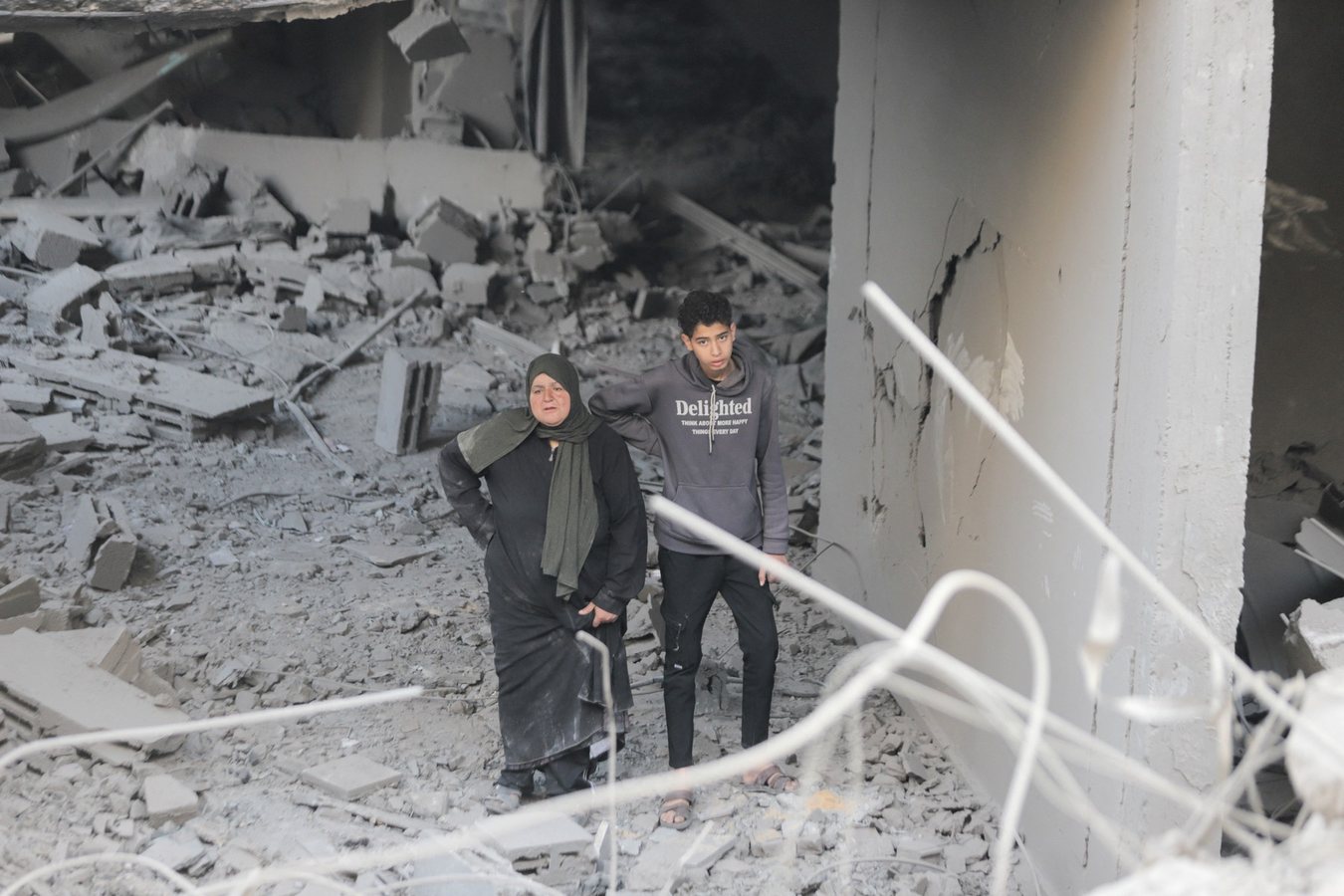
Gaza's economy has been pushed into an unprecedented collapse, with about 90% of working-age Palestinians now without a job and 92% of economic units damaged or destroyed, according to a new report by UNCTAD, the United Nations body for trade and development.
The findings, released after more than two years of war, describe what the agency calls the most severe economic crisis in Gaza's history. The near-total loss of employment and the widespread destruction of businesses, workshops and other productive assets have left almost no functioning base for income, trade or recovery.
The scale of the damage extends well beyond the labour market. With 92% of economic units affected, the report indicates that the physical capital needed to restart production — premises, equipment, inventories and commercial infrastructure — has been largely wiped out. That means even a halt in fighting would not quickly restore jobs, because the businesses that once employed people would need to be rebuilt from the ground up.
UNCTAD's assessment places the situation in the context of a wartime economy that has been progressively stripped of its capacity to generate output. Before the current conflict, Gaza's economy was already constrained by years of blockade, restricted trade and limited access to external markets. The latest figures suggest those pre-existing weaknesses have been overwhelmed by the destruction of the past two years.
For households, the collapse of employment means that wages and self-employment income, the main sources of livelihood for most families, have almost entirely disappeared. With nine in ten working-age people out of work, dependence on humanitarian assistance and remittances has become the norm rather than the exception. The loss of purchasing power in turn deepens the contraction of whatever local commerce remains.
The report's headline numbers also point to a longer-term problem. Rebuilding an economy requires not only physical reconstruction but also the restoration of trade networks, financial services, utilities and public administration. UNCTAD's findings suggest that all of these have been severely degraded, raising the prospect that recovery, whenever it begins, will be slow and heavily dependent on outside financing and political arrangements.
International donors and development agencies have repeatedly warned that the destruction of productive capacity in Gaza will shape the territory's prospects for years. The UNCTAD data add a detailed economic dimension to those warnings, quantifying the loss of jobs and the damage to the private sector in a way that underscores how little of the pre-war economy remains intact.
The report does not offer a timeline for recovery, but its figures make clear that the starting point is exceptionally low. With almost no employment and most economic assets destroyed, Gaza's economy is currently unable to support its population through normal market activity, leaving humanitarian aid and external support as the primary means of survival.
UNCTAD's assessment is likely to feed into debates among governments, international institutions and aid organisations about the scale of assistance that will be required and the conditions needed to rebuild an economy that has been described as facing the gravest crisis in its history.
5