Economy 4 min read By Arthur Ellington
Gatwick cleared to build second runway after legal challenge rejected
The Court of Appeal has dismissed a final legal challenge to Gatwick Airport’s £2.2bn second runway plan, clearing the way for about 100,000 extra flights a year and an estimated 14,000 jobs.
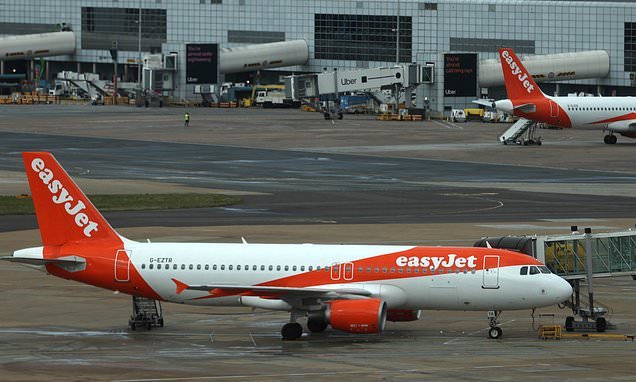
Gatwick Airport has been cleared to develop its second runway after the Court of Appeal rejected a final legal challenge by local campaign groups, ending years of uncertainty over the £2.2bn project. The ruling allows Britain's second-busiest airport to move forward with expansion plans expected to add around 100,000 flights a year and to create an estimated 14,000 jobs.
The appeal judges dismissed a bid by campaigners to overturn a High Court decision from June that the scheme could lawfully proceed. The groups had argued that the expansion should be blocked, but the court found no legal grounds to intervene. With the judgment, the last major obstacle to the runway has been removed and Gatwick can begin development work.
The project is one of the largest transport infrastructure schemes in the South East of England and is expected to give a significant boost to the regional economy. Estimates point to a £1bn economic benefit, while thousands of jobs are likely to be created during construction and once the new runway is operating. Hotels, restaurants, suppliers and transport firms in the surrounding area are expected to benefit from the increase in activity.
Once complete, the second runway will allow Gatwick to handle about 100,000 additional flights a year. The extra capacity is designed to give passengers a wider choice of destinations and to improve reliability, particularly at peak times. The airport already serves millions of passengers a year, and the expansion is regarded as important for its long-term development and for the wider aviation market in the UK.
Gatwick is the country's second-busiest airport by passenger numbers and lies just south of London. For many years its operations have been concentrated on a single runway, which has limited how many flights it can accept during busy periods. The second runway is intended to remove that limit and to provide more flexibility for airlines, while strengthening the airport's position in the competitive London market.
The plans have encountered persistent opposition from local residents and campaign groups, who have argued that expansion will bring more noise, more traffic and greater pressure on communities close to the airport. These concerns were examined by the High Court in June and raised again during the appeal, but the judges decided that they did not provide a legal reason to stop the scheme.
With the legal battle over, Gatwick will now press ahead with the detailed planning and construction needed to bring the runway into service. The airport says the scheme will support jobs and trade and help preserve the UK's role as a major aviation hub. Attention is likely to focus in the coming months on the construction timetable and on how the airport manages the effects of the work on local people.
The decision ends one of the most closely watched infrastructure disputes in the UK. It also underlines the willingness of the courts to allow major projects to proceed when they have passed the proper planning and legal tests. For Gatwick, the challenge now is to deliver on the promises of growth and jobs that have been central to its case for expansion.