

Economy 6 min read By Callum Montgomery
Gary Lineker and 120 Millionaires Urge New Prime Minister to Increase Wealth Tax
Gary Lineker and over 120 British millionaires have signed a letter to new Prime Minister Andy Burnham, urging him to tax their wealth more heavily to help address the cost-of-living crisis and fund public services.
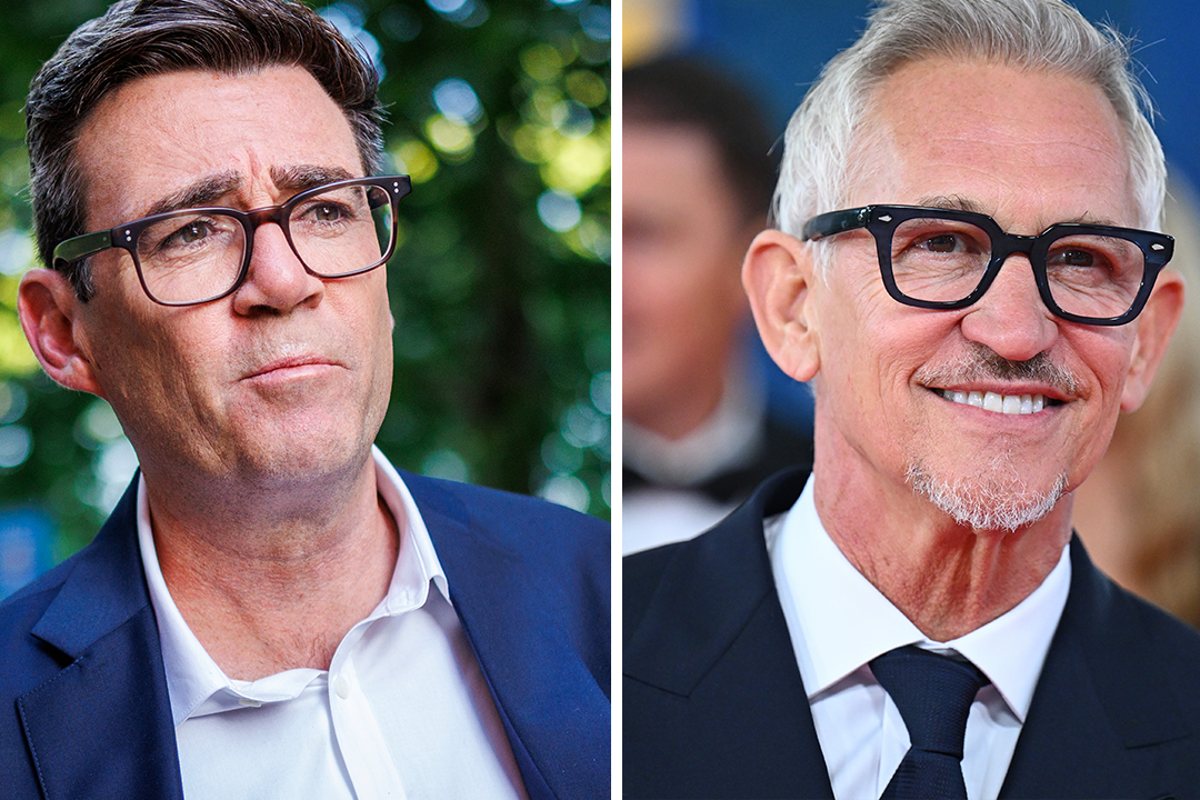
Gary Lineker, the former England footballer and television presenter, has joined more than 120 British millionaires in a public appeal to the new Prime Minister, Andy Burnham, demanding that he increase taxes on their wealth. The group, organised by the campaign network Patriotic Millionaires, sent an open letter to Burnham this week, arguing that the wealthy should contribute more to help tackle the country's deepening cost-of-living crisis and support essential public services.
The letter, which was also signed by other high-net-worth individuals from business, entertainment, and academia, states: «As millionaires we have a clear message for you, our new Prime Minister: tax us.» The signatories argue that the current tax system unfairly burdens lower-income households while allowing the richest to accumulate ever-greater fortunes. They call for a wealth tax on assets above a certain threshold, such as property, shares, and other investments, rather than simply raising income tax or VAT.
Burnham, who took office as Prime Minister after a decisive election victory, has already announced a series of policies aimed at easing the cost-of-living pressures facing millions of British families. These include a freeze on energy price caps, increased funding for the National Health Service, and a temporary reduction in fuel duty. However, the millionaires' letter urges him to go further by introducing a permanent wealth tax that could raise billions of pounds annually to fund public investment and reduce inequality.
The Patriotic Millionaires group, which has chapters in several countries, argues that the UK's wealth gap has widened dramatically in recent decades. According to the group, the richest 1% of Britons now own more than 20% of the country's total wealth, while millions struggle with rising rents, food prices, and energy bills. The signatories believe that a modest annual tax on assets above £10 million could generate up to £30 billion per year, enough to significantly boost spending on health, education, and social care.
Gary Lineker, who is estimated to have a personal fortune of around £20 million, has been an outspoken advocate for higher taxes on the wealthy. In a statement accompanying the letter, he said: «I've been incredibly fortunate in my career, and I believe that those of us who have benefited most from our society should give more back. It's not about punishing success; it's about ensuring everyone has a fair chance.» Other signatories include prominent entrepreneurs, investors, and academics who have publicly supported progressive taxation.
The call for a wealth tax comes at a time when the UK government is facing intense pressure to address the cost-of-living crisis, which has seen inflation remain above 10% for much of the past year. The Bank of England has raised interest rates multiple times to curb inflation, but this has also increased mortgage costs for homeowners and slowed economic growth. Critics of a wealth tax argue that it could discourage investment and drive wealthy individuals to move abroad, reducing overall tax revenues. However, supporters point to successful examples in countries such as Norway, Switzerland, and Spain, where wealth taxes have been implemented without significant capital flight.
Andy Burnham has not yet responded directly to the letter, but his office confirmed that the Prime Minister is reviewing a range of tax options as part of his broader economic strategy. A Downing Street spokesperson said: «The Prime Minister is committed to building a fairer Britain where everyone contributes their fair share. He will consider all proposals carefully, including those from Patriotic Millionaires.» The government is expected to announce its first budget within the next few months, which may include changes to inheritance tax, capital gains tax, and other levies on wealth.
The intervention by Lineker and other millionaires has reignited the debate over wealth inequality in the UK. According to the Equality Trust, the UK has one of the highest levels of wealth inequality among developed nations, with the top 10% of households holding nearly half of all private wealth. Campaigners argue that a wealth tax could help reduce this gap while providing much-needed revenue for public services that have been strained by years of austerity and the COVID-19 pandemic.
However, the proposal faces significant political hurdles. Some Conservative MPs have already criticised the idea, arguing that it would penalise savers and homeowners who have built up assets over a lifetime. The Treasury is also reportedly concerned about the administrative complexity of valuing assets such as art, jewellery, and business interests. Despite these challenges, the Patriotic Millionaires group remains optimistic that public opinion is shifting in favour of higher taxes on the wealthy, particularly as the cost-of-living crisis continues to bite.
For now, the letter serves as a powerful symbol of a growing movement among the wealthy themselves to advocate for a more progressive tax system. Whether Andy Burnham will act on their demand remains to be seen, but the debate over how to tax wealth in the UK is unlikely to fade away anytime soon.
96