

Economy 4 min read By Bethany Hadley
Euro's Resilience Against Dollar Faces Energy and Political Tests
The euro's recent strength against the dollar is being tested by rising energy prices and political uncertainty, with markets watching for signs of strain in the single currency's resilience.
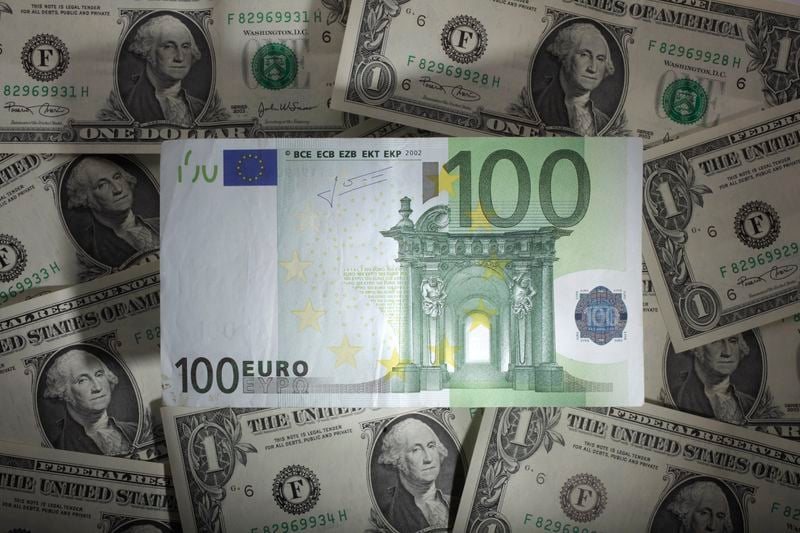
The euro's recent resilience against the dollar is facing its first significant tests, as rising energy costs and political uncertainty threaten to undermine the single currency's stability. After a period of unexpected strength, the euro is now navigating a complex landscape of economic pressures that could determine its trajectory in the coming months.
Energy prices have emerged as a primary concern for the eurozone, given the region's heavy reliance on imported fuel. Any sustained increase in energy costs would weigh on the bloc's trade balance and economic growth, potentially eroding the euro's appeal to investors. The currency's recent gains have been supported by a combination of factors, including a softer dollar and improved economic sentiment, but these gains could prove vulnerable if energy markets tighten further.
Political risks are also mounting. Key elections and policy decisions across the eurozone could introduce volatility, testing the euro's ability to withstand shifts in investor confidence. Markets are particularly sensitive to any signs of fiscal divergence among member states or challenges to the European Central Bank's policy stance. The interplay between energy prices and political developments will be crucial in determining whether the euro can maintain its current levels.
The euro's performance is closely watched by businesses and policymakers alike, as it affects everything from export competitiveness to inflation dynamics. A stronger euro can help dampen imported inflation but may hurt exporters by making their goods more expensive abroad. Conversely, a weaker euro could exacerbate price pressures at a time when the ECB is trying to bring inflation back to target. This balancing act is further complicated by the global economic environment, where shifts in US monetary policy and geopolitical tensions play a significant role.
Analysts note that the euro's resilience so far has been remarkable, but they caution that the currency is not immune to the challenges ahead. The energy price shock, if it materialises, could force a reassessment of growth forecasts and monetary policy expectations. Similarly, political events such as elections or budget negotiations could lead to sharp moves in the currency markets. Investors are advised to monitor these developments closely, as they could signal a turning point for the euro.
In the broader context, the euro's strength or weakness has implications beyond the currency markets. It influences the cost of borrowing for governments and companies, affects consumer purchasing power, and shapes the competitiveness of European industry. As such, the tests facing the euro are not just about exchange rates but about the underlying health of the eurozone economy and its political cohesion. The coming weeks will be critical in revealing whether the euro can continue to defy expectations or whether it will succumb to the pressures building on the horizon.
5