Economy 4 min read By Alice Ashford
EU gas prices rise as storage levels fall
Fossil gas prices are climbing across the European Union as storage inventories run low, raising concerns about supply security ahead of the winter season.
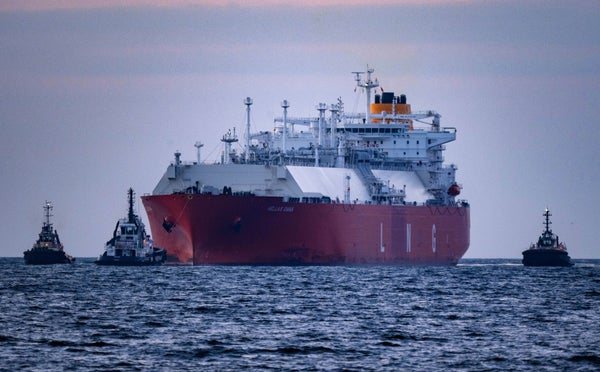
Fossil gas prices are rising across the European Union as storage levels fall, prompting concerns about supply security ahead of the winter heating season. The development marks a reversal from earlier expectations of stable prices and has put energy markets on alert.
According to market data, the benchmark price for natural gas in the EU has increased in recent weeks, driven by lower-than-usual storage inventories and higher demand. The situation is particularly acute in Germany, where the Deutsche Ostsee terminal in Mukran is receiving deliveries of liquefied natural gas to help replenish reserves.
The vessel Hellas Diana, carrying a cargo of fossil gas, is currently en route to the German gas depot, underscoring the logistical efforts underway to secure supply. However, analysts note that the pace of refilling storage sites is lagging behind seasonal norms, which could leave the bloc vulnerable if a cold snap or supply disruption occurs.
European energy infrastructure has been under strain since the reduction of Russian pipeline gas deliveries, forcing countries to rely more heavily on LNG imports from global markets. This shift has made the EU more exposed to price volatility in international gas markets, where competition with Asian buyers has intensified.
The current price uptick is also being influenced by weather forecasts, with colder temperatures expected across parts of Europe in the coming weeks. Higher heating demand would accelerate the drawdown of already low storage levels, potentially pushing prices even higher.
EU member states have set targets for storage levels to be at least 90% full by November, but several countries are struggling to meet this benchmark. The European Commission has urged governments to accelerate purchases and consider joint procurement mechanisms to strengthen the bloc's bargaining position.
Industry groups warn that sustained high gas prices could undermine the competitiveness of European manufacturers, particularly in energy-intensive sectors such as chemicals, steel, and glass. Some companies have already reduced output or shifted production to regions with cheaper energy, raising concerns about deindustrialisation.
Households are also feeling the impact, as utility bills remain elevated compared to pre-crisis levels. Governments across the EU have introduced various support measures, but these are proving costly and may not be sustainable if prices continue to climb.
The situation has reignited debates about the pace of the energy transition, with some policymakers arguing that the EU should accelerate investments in renewables and energy efficiency to reduce dependence on imported fossil fuels. Others caution that a rapid phase-out of gas infrastructure could exacerbate short-term supply risks.
Market participants are closely watching the development of LNG supply projects in the United States, Qatar, and other exporting countries, as new capacity is expected to come online in the coming years. Until then, the EU remains in a delicate balance between securing sufficient gas for the winter and managing the cost burden on consumers and businesses.
The coming weeks will be critical in determining whether the EU can navigate the winter without significant price spikes or supply shortages. Storage levels, weather patterns, and global LNG flows will all play a role in shaping the outlook for the European gas market.
71