Economy 4 min read By Callum Montgomery
Citigroup pushes Fed rate-cut forecast to 2027 after strong US jobs report
Citigroup has delayed its forecast for the next Federal Reserve interest-rate cut to 2027, citing a robust US jobs report that suggests the central bank will keep borrowing costs higher for longer.
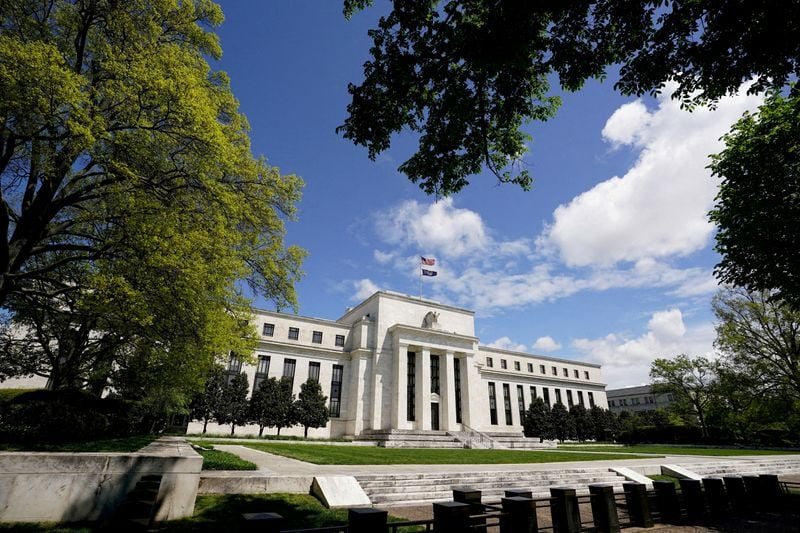
Citigroup has pushed back its forecast for the next Federal Reserve interest-rate cut to 2027, following the release of a stronger-than-expected US jobs report that points to persistent resilience in the labour market. The decision marks a significant shift in Wall Street expectations for monetary policy, suggesting that the Federal Reserve may hold borrowing costs at their current level for an extended period.
The US economy added more jobs than analysts had anticipated in the latest monthly employment data, a sign that the labour market remains tight despite the Fed's aggressive campaign of interest-rate increases over the past two years. Wage growth also came in above forecasts, a development that could keep upward pressure on inflation and reduce the urgency for the central bank to ease policy.
Citigroup economists said the strength of the report undermined the case for near-term rate cuts. They now expect the Fed to leave its benchmark rate unchanged through 2026, with the next reduction arriving only in 2027. The revised outlook reflects a growing view among some financial institutions that the US economy can withstand higher rates for longer without slipping into recession.
The labour market data complicates the Fed's task as it seeks to bring inflation back to its 2% target. While price pressures have cooled considerably from the peaks of 2022, the latest jobs figures suggest that demand for workers remains robust, which could keep wage inflation elevated and slow the final stage of the disinflation process.
Financial markets reacted to the news with a repricing of rate expectations, with traders scaling back bets on imminent easing. The shift in Citigroup's forecast aligns with a broader reassessment among investors, who have grown less confident that the Fed will deliver multiple cuts this year.
The Fed has held its benchmark rate steady for several consecutive meetings, with policymakers emphasising that they need greater confidence that inflation is sustainably moving toward target before adjusting policy. Strong employment data gives the central bank more room to maintain its restrictive stance without fearing a sharp deterioration in the labour market.
Economists note that the resilience of the jobs market has been a defining feature of the current economic cycle. Despite the highest interest rates in decades, unemployment has remained low and hiring has continued at a solid pace, confounding predictions of an imminent downturn.
The revised Citigroup forecast is among the most hawkish on Wall Street. Most major banks still expect at least one rate cut before the end of next year, though the timing and magnitude of any easing remain highly uncertain. The divergence in forecasts reflects the difficulty of predicting the Fed's next move in an environment where economic data has repeatedly surprised to the upside.
For businesses and households, the prospect of rates remaining higher for longer carries significant implications. Mortgage rates, credit-card borrowing costs and corporate loan expenses are likely to stay elevated, affecting everything from housing demand to capital investment decisions. The extended period of tight monetary policy could also weigh on economic growth in the medium term, even if the immediate outlook remains positive.
The Fed's next policy meeting will be closely watched for any signals about the future path of rates. While the jobs report has strengthened the case for patience, policymakers have stressed that their decisions will remain data-dependent, leaving the door open for cuts if the economic picture changes.
62