Economy 4 min read By Bethany Hadley
EU Energy Commissioner Urges Member States to Consider Cutting Gas and Electricity Consumption
Dan Jorgensen warns that the EU faces a price crisis driven by oil and gas supply disruptions linked to the war with Iran, and calls on member states to weigh demand-reduction measures.
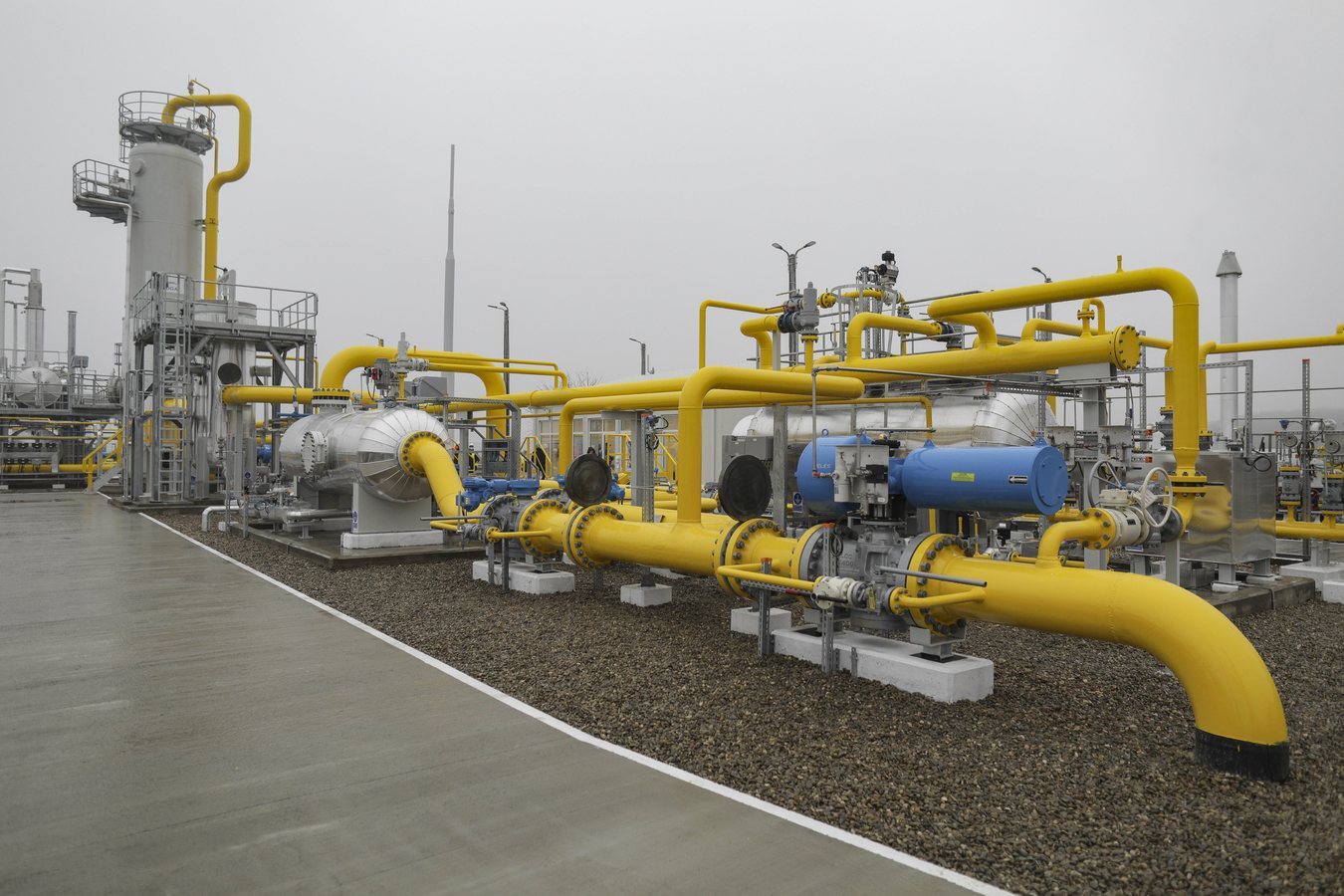
The European Union is confronting an energy price crisis caused by disruptions to oil and gas markets following the war with Iran, and member states should consider measures to reduce consumption of natural gas and electricity, the European Commissioner for Energy, Dan Jorgensen, has said.
Jorgensen linked the current price pressures directly to a supply crisis, describing the situation as a price crisis tied to an availability crisis. His intervention signals that Brussels expects governments to treat demand reduction as a central tool in managing the fallout, rather than relying solely on emergency market interventions or fiscal support for households and businesses.
The commissioner's warning reflects a broader concern that the conflict with Iran has unsettled global energy flows at a moment when Europe's gas and power markets remain vulnerable. Any sustained disruption to oil and gas supply can feed quickly into wholesale prices, which in turn affect industrial costs, household bills and inflation across the bloc.
Reducing consumption of natural gas and electricity would ease pressure on prices and help maintain adequate reserves, particularly if supply routes remain uncertain. Member states have already been asked to improve the structure of the EU's electricity market, including measures on supplier choice and the right to share energy, as part of wider efforts to make the system more resilient.
The call for demand reduction comes as the European Commission pursues infringement procedures against member states that have failed to transpose EU energy directives on time. The Commission has requested that member states bring national rules into line with EU legislation designed to strengthen the internal electricity market, covering areas such as free choice of supplier and energy sharing.
For the UK, which is no longer part of the EU's decision-making structures, the commissioner's remarks still matter. British energy prices are closely tied to European wholesale markets, and any sustained disruption to continental gas and power supplies tends to feed through to UK bills and industrial costs. UK policymakers have repeatedly emphasised the importance of energy security and domestic supply, but the country remains exposed to global price shocks.
The commissioner's message also underscores the limits of national responses. Energy markets in Europe are interconnected, and a supply crisis affecting one region can quickly raise prices in another. Coordinated action on consumption, alongside efforts to diversify supply and accelerate the clean energy transition, is likely to remain at the centre of the EU's approach in the coming months.
Jorgensen's statement did not specify which measures member states should adopt or whether the Commission would propose binding targets. Instead, it framed demand reduction as an option that governments should take into account as they assess their energy security and affordability strategies.
The broader context is one of persistent uncertainty. The war with Iran has added a geopolitical dimension to energy markets that were already adjusting to shifts in global supply and efforts to reduce reliance on Russian fossil fuels. For European governments, the challenge is to shield consumers and industry from price spikes without undermining the transition to more secure and sustainable energy sources.
How member states respond will shape the EU's energy landscape through the winter and beyond. The commissioner's intervention makes clear that, in Brussels' view, managing demand is no longer a secondary consideration but a core part of the response to a supply-driven crisis.
5