Economy 5 min read By Callum Montgomery
EU energy bill surges by €100bn after Iran war as Hormuz closure tightens supply
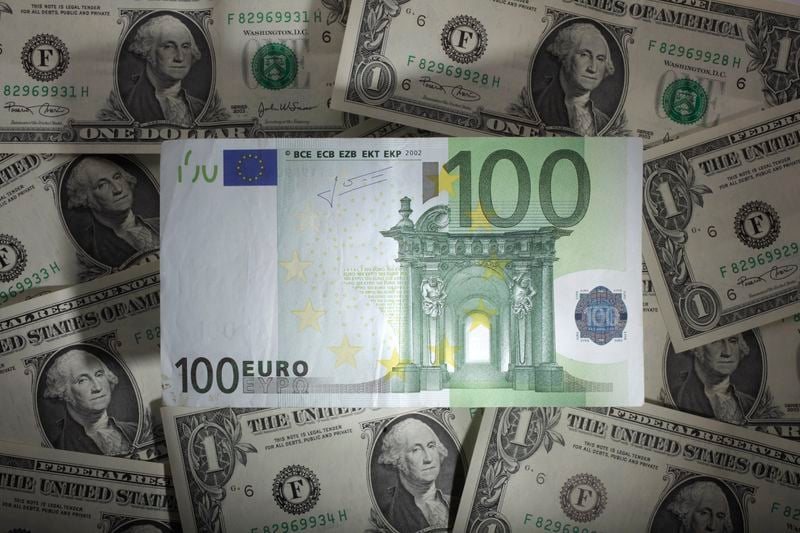
European Union nations have spent over €100 billion extra on energy imports since the Iran war began, with no additional oil or gas received, as the Strait of Hormuz closure drives pump prices up nearly 50% and ministers meet in Dublin to accelerate the shift to homegrown electricity.
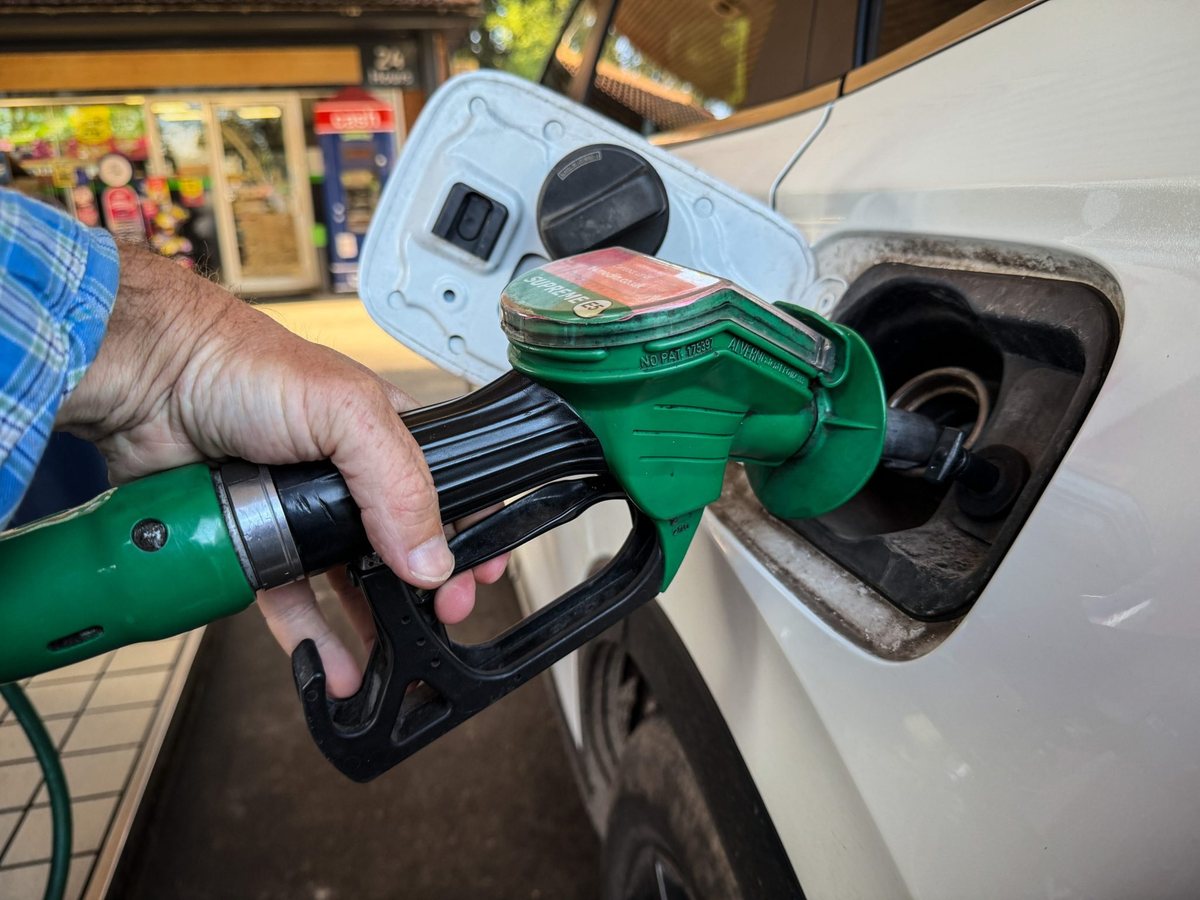
European Union member states have paid more than €100 billion ($113.5 billion) in additional energy import costs since the outbreak of the Iran war, without securing a single extra barrel of oil or molecule of gas, according to EU energy commissioner Dan Jørgensen. The extraordinary sum has intensified pressure on politicians to reduce the bloc's reliance on imported fossil fuels, as consumers in some European countries now pay nearly 50% more at the pump — equivalent to more than $11 a gallon.
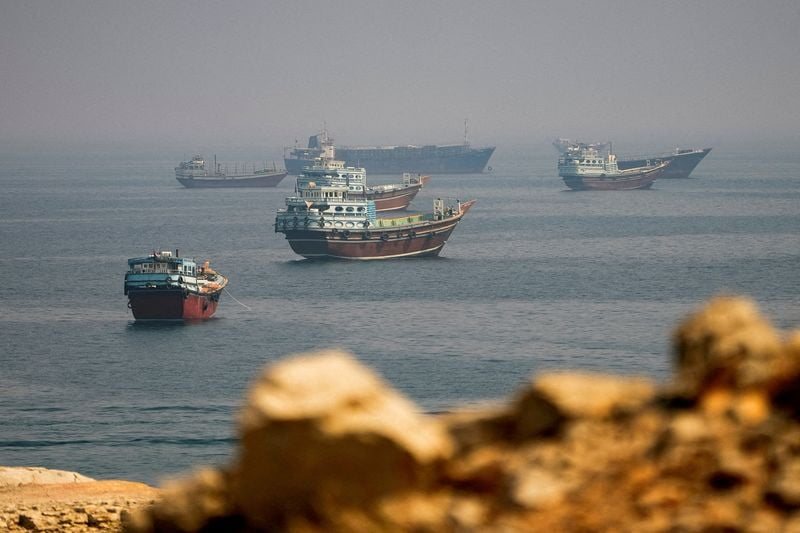
The price surge follows the closure of the Strait of Hormuz, the critical waterway through which a fifth of the world's traded oil passed in peacetime. Jørgensen told energy ministers from across the 27-nation bloc, gathered in Dublin, that the situation was grave. «Times are serious,» he said, adding that despite the vast additional spending, member states had not received «one extra molecule of gas or oil.»
Ministers used the Dublin meeting to discuss plans to accelerate the transition from fossil fuels to electricity and to expand electrical infrastructure across the EU. The bloc became heavily dependent on the United States for direct energy imports after ending its historic reliance on Russian supplies following Moscow's full-scale invasion of Ukraine in 2022. That shift has left Europe exposed to new supply risks, particularly in diesel, where about half of EU supply comes directly from the US.
Fatih Birol, executive director of the International Energy Agency, warned that Europe is among the most vulnerable regions in the world for diesel as winter approaches. «Europe is one of the most exposed regions — if not the most exposed one — when it comes to diesel because Europe imports a huge amount of diesel and we are entering the harsh season, the winter season,» Birol said.
Compounding the concern, Republicans in key US states have called for a ban on diesel exports to bolster domestic supply ahead of crucial midterm elections. The move casts doubt on President Donald Trump's 2025 deal to sell $750 billion worth of energy to the EU. Ireland's minister for climate, energy and the environment, Darragh O'Brien, said such a ban is «unlikely» because it would harm economies on both sides of the Atlantic, but insisted the EU must prepare for the worst. «We have to be guarded. We can't be complacent,» O'Brien said.
Jørgensen said he had sent «a very clear signal» to US authorities to scrap the proposed ban, while urging EU ministers to wean the bloc off external energy sources whose supply can be disrupted by war and politics. «This, of course, shows us just how bad it is for us to be dependent, just how unsustainable it is for us to be dependent on energy sources from other places in the world,» he said. «We need to get out of that dependency. We need to replace the fossil fuels, the imported, polluting, expensive molecules with homegrown energy: green electrons.»
Sari Multala, Finland's environment minister, pointed to her country as a model of energy independence. Nuclear reactors, turbines, peat bogs and hydropower dams provide 95% of Finland's electricity, she said, which «creates very reasonable prices for electricity.» Multala acknowledged that rising energy prices as winter approaches «creates a lot of pressure for us politicians to try to help our citizens to cope with the situation.»
The Dublin discussions reflect a broader strategic dilemma for the EU: the urgent need to shield households and businesses from volatile global energy markets while simultaneously funding the long-term transition to domestic renewable and low-carbon power. With the Strait of Hormuz still closed and US export policy uncertain, ministers face the prospect of further cost increases in the coming months unless alternative supply routes and faster electrification can be brought forward.
3