Economy 4 min read By Callum Montgomery
Economists Warn Andy Burnham's Spending Plans Could Force Tax Rises
Economists have warned that Greater Manchester Mayor Andy Burnham's spending commitments, including a business rate cut for pubs, may lead to tax increases to cover the costs.
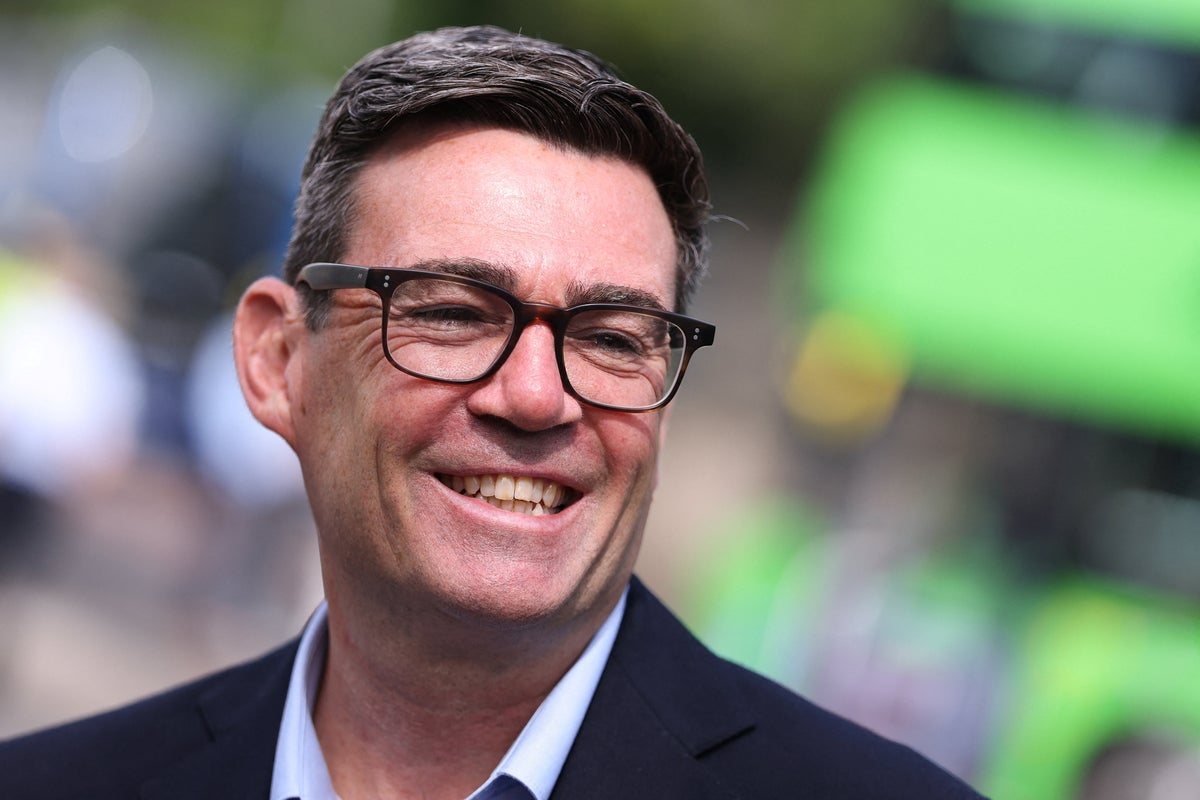
Economists have cautioned that the spending plans announced by Greater Manchester Mayor Andy Burnham could ultimately force tax rises, as the region grapples with the financial implications of new policy commitments. The warning comes after Burnham unveiled a business rate cut for pubs, a move designed to support the hospitality sector amid ongoing cost-of-living pressures. However, experts argue that without a clear funding mechanism, such measures may place additional strain on public finances.
The business rate reduction, which aims to provide relief to struggling pubs across Greater Manchester, has been defended by Labour ministers as a necessary step to protect jobs and local communities. Yet, a number of Conservative MPs have raised questions over how the policy will be funded, pointing to the lack of a detailed financial plan. The debate highlights broader tensions between regional devolution and fiscal responsibility, as local leaders seek to address economic challenges without central government backing.
According to economists, the mayor's spending spree risks creating a funding gap that could only be closed through higher taxes or cuts to other services. The Institute for Fiscal Studies has previously warned that unfunded commitments at the local level could lead to unsustainable debt levels, particularly if economic growth remains sluggish. Burnham's office has insisted that the rate cut will be financed through efficiencies and reallocated budgets, but critics remain sceptical.
The policy has become a flashpoint in the ongoing debate over devolution in England, with some arguing that metro mayors should have greater fiscal autonomy to raise revenue. Others contend that without proper oversight, local spending pledges could undermine national economic stability. The Conservative government has so far declined to comment on whether it will intervene, but the issue is expected to feature in upcoming parliamentary discussions.
For pub owners in Greater Manchester, the rate cut offers a temporary lifeline in a sector that has been hit hard by rising energy costs, inflation, and changing consumer habits. However, the long-term outlook remains uncertain, as businesses await clarity on whether the relief will be extended beyond the current financial year. The hospitality industry has called for a more comprehensive strategy to address structural challenges, including business rate reform and investment in town centres.
The controversy also reflects wider concerns about the UK's economic trajectory, with the new government under Prime Minister Keir Starmer facing pressure to deliver on promises to tackle the cost-of-living crisis. Chancellor Rachel Reeves has signalled that fiscal discipline will be a priority, but local spending commitments like Burnham's could complicate efforts to balance the books. Economists warn that if similar policies are adopted across other regions, the cumulative impact on national finances could be significant.
As the debate unfolds, Burnham has defended his record, arguing that targeted support for businesses is essential to drive growth and protect jobs. He has pointed to the success of similar initiatives in other parts of the country, though independent analysis of their effectiveness remains limited. The coming months will test whether the mayor can deliver on his promises without resorting to tax increases, as the region navigates a challenging economic landscape.
80