Economy 4 min read By Bethany Hadley
China Holds Benchmark Lending Rates Steady for 16th Month
The People's Bank of China has left its one-year and five-year loan prime rates unchanged for a sixteenth consecutive month, signalling policy stability as Beijing balances growth support against financial risks.
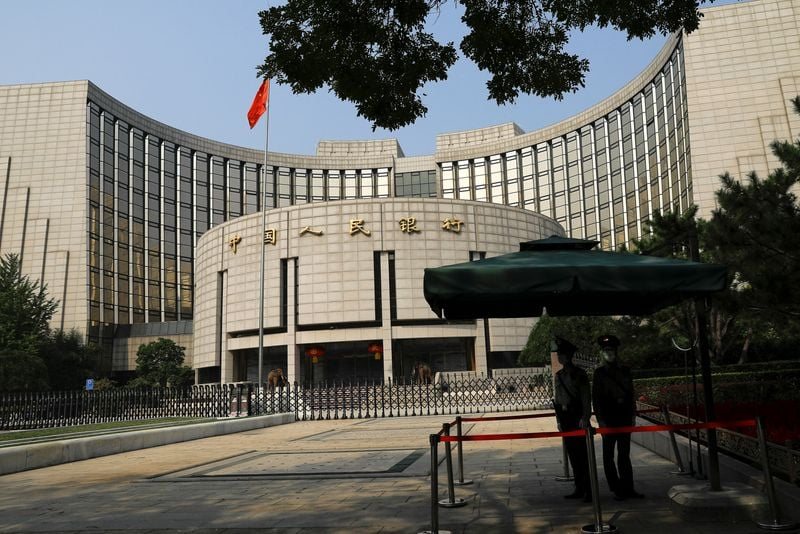
China has kept its benchmark lending rates unchanged for a sixteenth consecutive month, as the People's Bank of China continues to hold the line on monetary policy despite persistent pressure on the world's second-largest economy.
The one-year loan prime rate, the reference for most corporate and household borrowing, and the five-year rate, which guides mortgage pricing, were both left at their existing levels. The decision was widely anticipated by economists, who had expected no change given the central bank's recent reluctance to cut rates further.
The loan prime rate is set monthly by a panel of commercial banks and is published by the National Interbank Funding Centre. It serves as the primary benchmark for lending across the Chinese financial system, influencing the cost of credit for businesses, consumers and property buyers.
September's hold extends a period of stability that began more than a year ago. Policymakers have chosen to keep rates steady while relying on other tools to support activity, including targeted lending programmes, reserve requirement adjustments and fiscal measures aimed at infrastructure and manufacturing investment.
The decision comes as China's economy faces a mix of headwinds and resilient sectors. Export performance has remained relatively strong in several categories, while domestic consumption and the property market continue to lag. Deflationary pressures have persisted, with producer and consumer prices subdued, raising questions about the pace of recovery.
Economists have debated whether further rate cuts would help stimulate demand or whether they would risk exacerbating capital outflows and putting additional pressure on the yuan. The currency has been under scrutiny as the interest rate differential with the United States remains wide, complicating Beijing's monetary calculus.
By holding rates steady, the central bank appears to be prioritising financial stability and avoiding measures that could weaken the currency further. At the same time, it has signalled a willingness to use other instruments to keep liquidity ample and credit flowing to key sectors.
The property sector remains a central concern. Mortgage rates tied to the five-year loan prime rate have a direct impact on household borrowing costs and housing demand. With the market still adjusting after a prolonged downturn, any change in the five-year rate would carry significant weight for developers and buyers alike.
Analysts expect the central bank to maintain a cautious approach in the coming months, watching inflation, credit growth and global financial conditions before considering any shift. The next loan prime rate announcement is scheduled for October, when markets will again assess whether policy settings remain appropriate for the current economic climate.
For businesses and households, the extended period of unchanged rates provides a degree of predictability in borrowing costs. However, it also underscores the limited room for manoeuvre as policymakers seek to balance support for growth with the need to preserve financial stability and manage external pressures.