Economy 3 min read By Callum Montgomery
China Defends Yuan Policy as Europe Presses on Trade Surplus
China's central bank insists it has no need or intention to weaken the yuan for a trade advantage, pushing back as European officials intensify pressure over the country's swelling trade surplus.
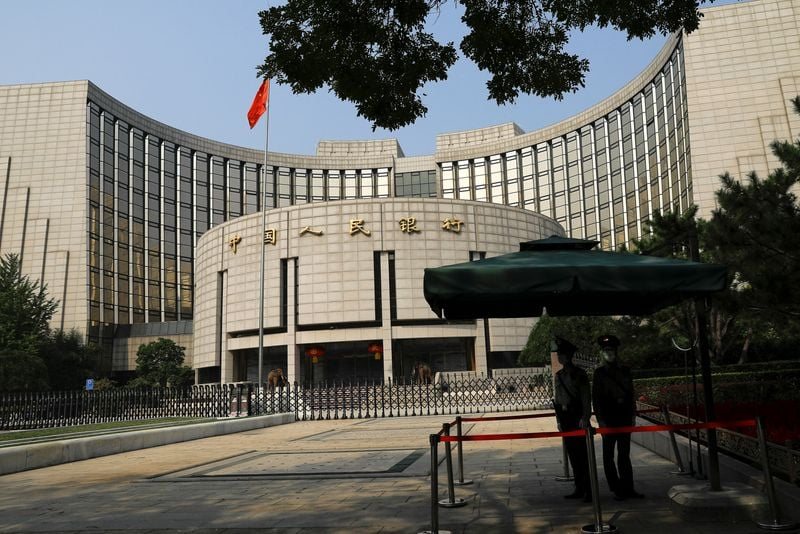
China's central bank has pushed back against international criticism of its currency policy, stating it has neither the need nor the intention to weaken the yuan to gain an unfair trade advantage. The remarks come as European officials increase pressure over China's growing trade surplus, which has become a flashpoint in commercial relations between Beijing and Brussels.
The People's Bank of China signalled that the exchange rate is determined by market forces and that deliberately devaluing the currency would not serve the country's interests. The central bank's stance is intended to reassure trading partners that Beijing is not pursuing a mercantilist strategy at a time when its export performance is already drawing scrutiny.
Europe's concerns centre on the scale of China's trade surplus, which has widened as Chinese manufacturers capture a larger share of global demand in key sectors. EU officials have argued that persistent imbalances distort competition and threaten domestic industries, particularly in manufacturing and green technology.
The dispute reflects broader tensions over the terms of global trade. China has consistently maintained that its currency policy is sovereign and that external pressure will not dictate its monetary decisions. The central bank's latest intervention appears designed to pre-empt further criticism and to frame the yuan's value as a reflection of economic fundamentals rather than a policy tool.
For European policymakers, the surplus is not merely a statistical concern. It feeds into domestic political pressure to protect strategic industries and could influence the direction of trade negotiations. Any perception that China is managing its currency to sustain export competitiveness risks hardening the European position.
Beijing, meanwhile, is balancing the need to support economic growth with the desire to avoid provoking its largest trading partners. A weaker yuan would make Chinese exports cheaper but could also trigger capital outflows and undermine confidence in the currency. The central bank's insistence that it has no intention to devalue suggests it is mindful of those risks.
The exchange highlights how currency policy remains a central fault line in global commerce. Even as China and Europe seek to manage their differences, the underlying imbalance continues to shape the agenda. For now, Beijing is holding its ground, but the pressure from Europe is unlikely to ease.
18