

Economy 5 min read By Arthur Ellington
Burnham Faces Labour Backlash Over Expected Reversal of North Sea Drilling Ban
Andy Burnham is expected to face a backlash from Labour MPs if he announces new oil and gas drilling licences in the North Sea after becoming prime minister, breaking a manifesto pledge to issue no new licences.
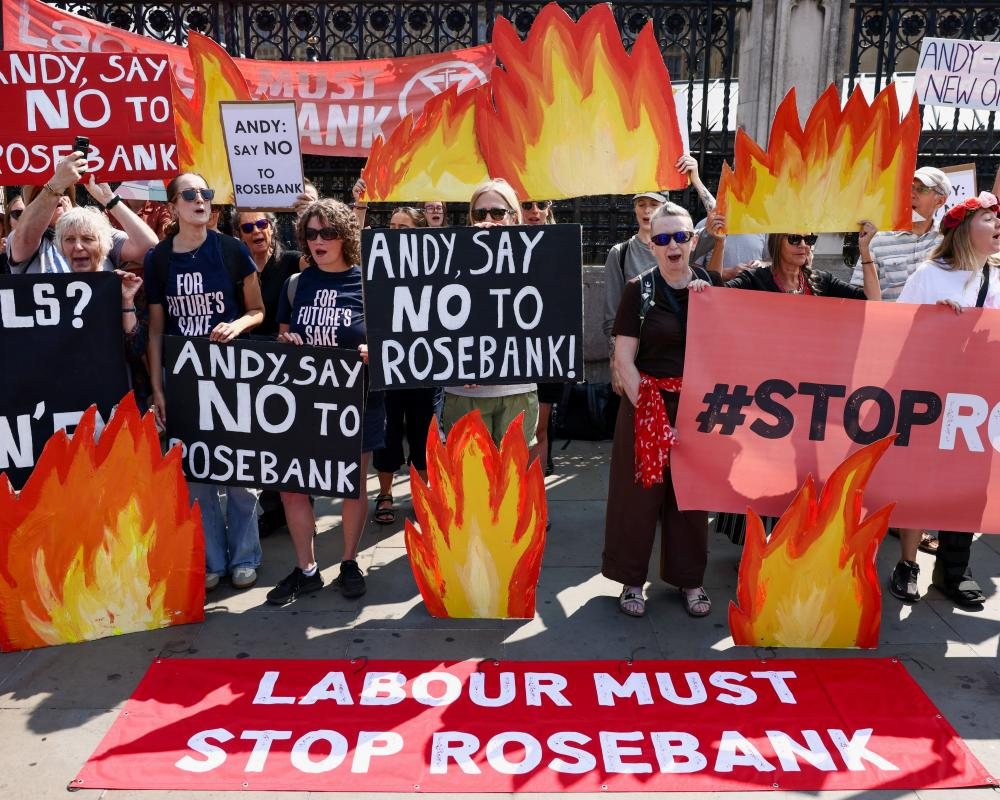
Andy Burnham is heading for his first major confrontation with Labour MPs if he announces new oil and gas drilling licences in the North Sea after being installed as prime minister on Monday, party insiders have warned. Speculation has been mounting that Burnham will reverse the party’s longstanding ban on issuing new exploration licences, a move that would break a key manifesto commitment and risk alienating both environmental campaigners and his own backbenchers.
Labour’s 2024 manifesto, which Burnham has repeatedly promised to honour, explicitly stated that the party would not issue new North Sea licences while respecting existing ones. The document was a cornerstone of the party’s climate and energy policy, designed to signal a shift away from fossil fuels and towards renewable energy sources. Any deviation from that pledge is likely to be seen as a significant political gamble, particularly given the strength of feeling within the party on environmental issues.
In a major intervention, 19 different groups including Oxfam and Greenpeace have written to the incoming prime minister expressing “alarm” at reports that he might water down the UK’s focus on renewables. The charities warned that new drilling licences would “do nothing to lower bills” for consumers and would instead lock in dependence on fossil fuels for years to come. Their letter underscores the deep unease among civil society organisations about the direction of energy policy under a Burnham premiership.
The controversy comes at a delicate time for the UK energy sector, which is grappling with high prices, energy security concerns, and the need to meet legally binding net-zero emissions targets. Proponents of new drilling argue that domestic production reduces reliance on imports and supports jobs in Scotland and the North East of England. Opponents counter that further extraction is incompatible with the UK’s climate commitments and that investment should be redirected to renewables such as wind, solar, and tidal power.
Burnham’s expected decision has also reignited internal Labour divisions over energy policy. During the leadership campaign, Burnham positioned himself as a pragmatic centrist, but the North Sea issue threatens to alienate the party’s left wing, which views any expansion of fossil fuel extraction as a betrayal of climate justice. Several Labour MPs have already voiced concerns privately, and a public backlash could emerge if the new prime minister follows through on the rumoured policy shift.
The timing of the announcement, just days after Burnham takes office, suggests he wants to move quickly to assert his authority and set the tone for his government. However, critics argue that rushing such a contentious decision risks inflaming tensions unnecessarily. The prime minister’s office has not confirmed the reports, but sources close to Burnham have not denied them either, leaving the door open for a formal announcement later this week.
Energy analysts have noted that the UK’s North Sea oil and gas reserves are declining, and that new licences would take years to bring into production, meaning any impact on energy bills or security would be felt only in the long term. This has led some to question whether the political cost of reversing the ban is worth the potential benefits. Others point out that the global energy market remains volatile, and that maintaining domestic production capacity could provide a buffer against future price shocks.
For now, all eyes are on Downing Street, where Burnham is expected to outline his energy strategy in the coming days. The outcome will not only shape the UK’s energy landscape but also test the new prime minister’s ability to manage internal party dissent and maintain public trust. With environmental groups, industry stakeholders, and Labour MPs all watching closely, the stakes could hardly be higher.
86