Economy 6 min read By Callum Montgomery
Andy Burnham to pledge to reverse Thatcher’s economic legacy in first speech as Labour leader
Andy Burnham will use his first speech as Labour leader to promise to undo the economic legacy of Margaret Thatcher, warning that Britain took 'a series of wrong turns in the 1980s' and vowing to give back control to communities.
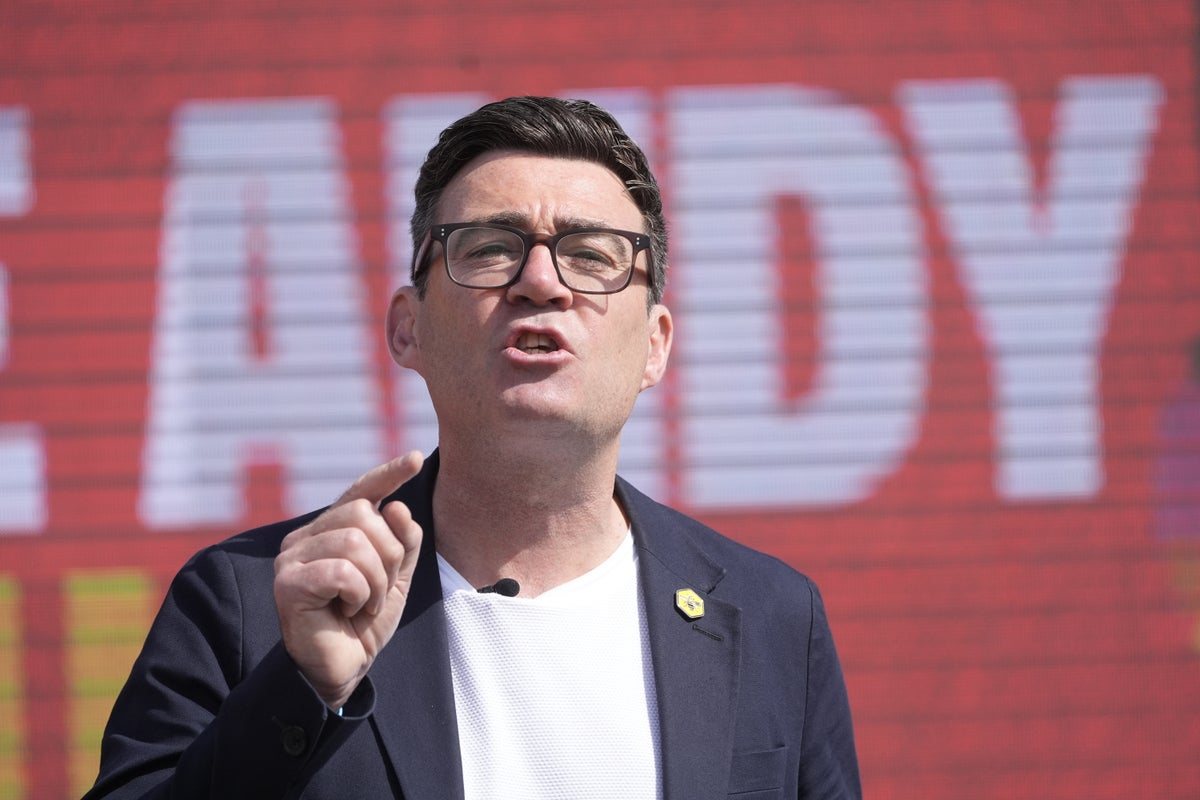
Andy Burnham will use his first speech as the new leader of the Labour Party to promise a fundamental break with the economic legacy of Margaret Thatcher, warning that Britain took “a series of wrong turns in the 1980s” that have left the country deeply unequal. The former Greater Manchester mayor, who is set to be formally confirmed in the role at a special party conference on Friday, will pledge to give back control to communities and spread growth more evenly across the country.
In what is being billed as a defining address, Burnham will argue that decades of centralised decision-making and market-driven policies have hollowed out towns and cities outside London. He will commit his government to an “unashamedly Labour” agenda focused on fixing what he calls “the big things that politics has neglected” — including housing, transport, and public services. The speech is expected to set the tone for his premiership, which will begin when he enters Downing Street on Monday.
Burnham’s critique of Thatcherism marks a significant shift from the approach of his predecessor, Sir Keir Starmer, who had sought to position Labour as a centrist, business-friendly party. By contrast, Burnham is embracing a more interventionist economic vision, promising to reverse the privatisation and deregulation that defined the Thatcher era. He will argue that the country’s economic model has failed to deliver for working people and that a new approach is needed to rebuild the social contract.
The new Labour leader is expected to emphasise the importance of devolution, arguing that too much power has been concentrated in Westminster. He will promise to hand more control over spending and policy to local authorities and regional mayors, a move that reflects his own experience as mayor of Greater Manchester. Burnham has long been a vocal advocate for regional equality, and his speech will frame the 1980s as a decade when the country’s economic and social fabric was damaged by policies that prioritised finance over manufacturing and the South East over the rest of the UK.
Burnham’s rise to the leadership comes after a period of internal turmoil for Labour, following the party’s defeat in the 2024 general election. He won the contest on a platform of economic reform and social justice, appealing to both traditional Labour supporters and those who had drifted away from the party. His first speech is seen as an opportunity to unite the party and set out a clear direction for government.
The address will also touch on the cost-of-living crisis, which Burnham will argue is a direct consequence of the economic policies of the past four decades. He will pledge to tackle rising inequality by investing in public services, raising wages, and building more affordable homes. His government is expected to prioritise green energy, public transport, and the creation of high-skilled jobs in regions that have been left behind by globalisation.
Political analysts have noted that Burnham’s rhetoric represents a return to the party’s roots, echoing the language of earlier Labour leaders such as Clement Attlee and Harold Wilson. However, his critics warn that a sharp leftward turn could alienate moderate voters and business leaders. Burnham is expected to address these concerns by emphasising fiscal responsibility and partnership with the private sector, while insisting that the state must play a stronger role in shaping the economy.
The speech will take place at a conference centre in Manchester, a symbolic choice given the city’s history as an industrial powerhouse that was hit hard by deindustrialisation in the 1980s. Burnham will be introduced by local Labour activists and will be joined by his family. The event is expected to draw significant media attention, both as a showcase for the new leader and as a signal of the direction his government intends to take.
Burnham’s promise to undo Thatcher’s legacy is likely to resonate with many Labour members and voters who feel that the country has become more unequal since the 1980s. However, it also carries political risks, as it could reignite old ideological battles within the party and with the Conservatives. The new prime minister will need to navigate these tensions carefully if he is to deliver on his ambitious agenda.
As he prepares to take office, Burnham has also signalled that his government will be more transparent and inclusive than its predecessors. He has promised to involve trade unions, community groups, and ordinary citizens in policy-making, and to end what he calls the “Westminster bubble” of closed-door decision-making. His first speech will be closely watched for clues about the scale and pace of the changes he intends to introduce.
104