Economy 4 min read By Bethany Hadley
Andy Burnham to give Sadiq Khan a share of income tax revenue
The new Prime Minister has announced plans to allocate a portion of income tax revenue to mayors for local infrastructure, investment, and growth projects.
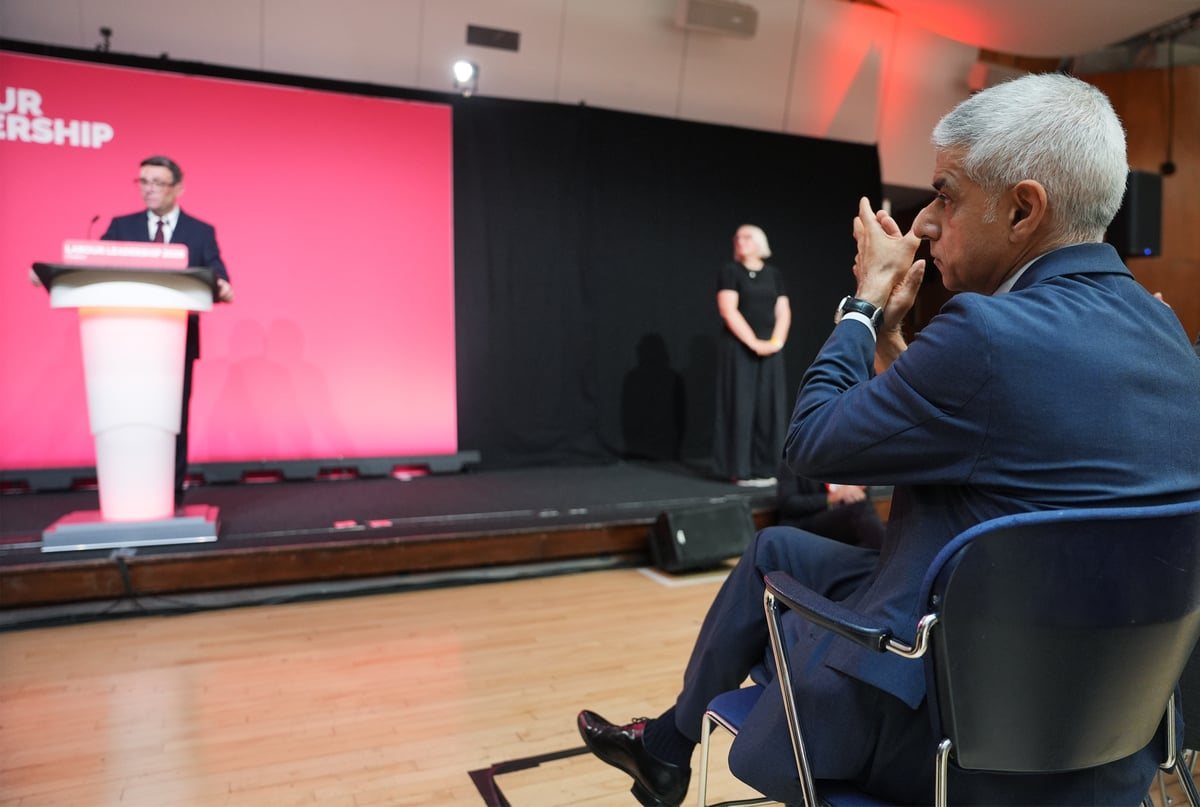
Prime Minister Andy Burnham has confirmed plans to give mayors, including London Mayor Sadiq Khan, a direct share of income tax revenue to fund local infrastructure, investment, job creation, and growth initiatives. The policy marks a significant step in fiscal devolution, handing greater financial autonomy to regional leaders.
Under the proposal, a portion of income tax collected from within each mayor’s region would be redirected to the respective mayoral authority rather than being entirely centralised by the Treasury. This would provide mayors with a predictable, ongoing source of funding that could be used for large-scale projects such as transport upgrades, housing developments, skills training, and business support.
Andy Burnham, who took office as Prime Minister earlier this month, has long advocated for greater devolution of fiscal powers. As a former Mayor of Greater Manchester, he directly experienced the constraints of relying on central government grants and has made local economic empowerment a cornerstone of his premiership. The inclusion of Sadiq Khan, the Mayor of London, signals that the policy will apply to all metro mayors across England, not only those in the North.
The move is intended to accelerate regional growth by enabling mayors to plan and execute long-term investments without annual uncertainty over Whitehall funding. Supporters argue that locally controlled spending is more responsive to the specific needs of each region, from transport bottlenecks in London to skills shortages in the Midlands and the North.
Critics, however, have raised concerns about the potential for widening disparities between richer and poorer regions. Because income tax revenue is higher in London and the South East, a direct per-capita share could leave areas with lower taxable incomes with less funding for their projects. The government is expected to address this through a needs-based formula alongside the income tax share, though details have not yet been published.
The policy also opens broader questions about accountability. With greater control over tax revenue comes greater responsibility for outcomes. Mayors will be expected to demonstrate that their spending delivers measurable improvements in economic output, employment, and living standards. The Treasury will retain oversight to ensure that funds are used for their intended purposes and that the overall fiscal framework remains stable.
For Sadiq Khan, the announcement provides a welcome new revenue stream for London, which has faced funding gaps in areas such as affordable housing, transport, and climate resilience. Khan has repeatedly called for more fiscal powers to match the capital’s economic contribution to the national treasury. The income tax share could help bridge the gap between London’s needs and the current centralised funding system.
Andy Burnham’s decision to move quickly on this policy underscores his commitment to devolution as a driver of economic growth. It also sets the stage for a broader conversation about how the UK’s tax and spending powers are distributed between Whitehall and regional governments. Further announcements on the implementation timeline and specific percentages are expected in the coming weeks as the government consults with mayors and local authorities.
83