Economy 5 min read By Bethany Hadley
Andy Burnham hints at tax rises and business rates overhaul in leadership pitch
Andy Burnham has signalled that tax increases may be necessary if he becomes Labour leader, proposing to lift high street shops and pubs out of business rates while hiking rates on giant warehouses.
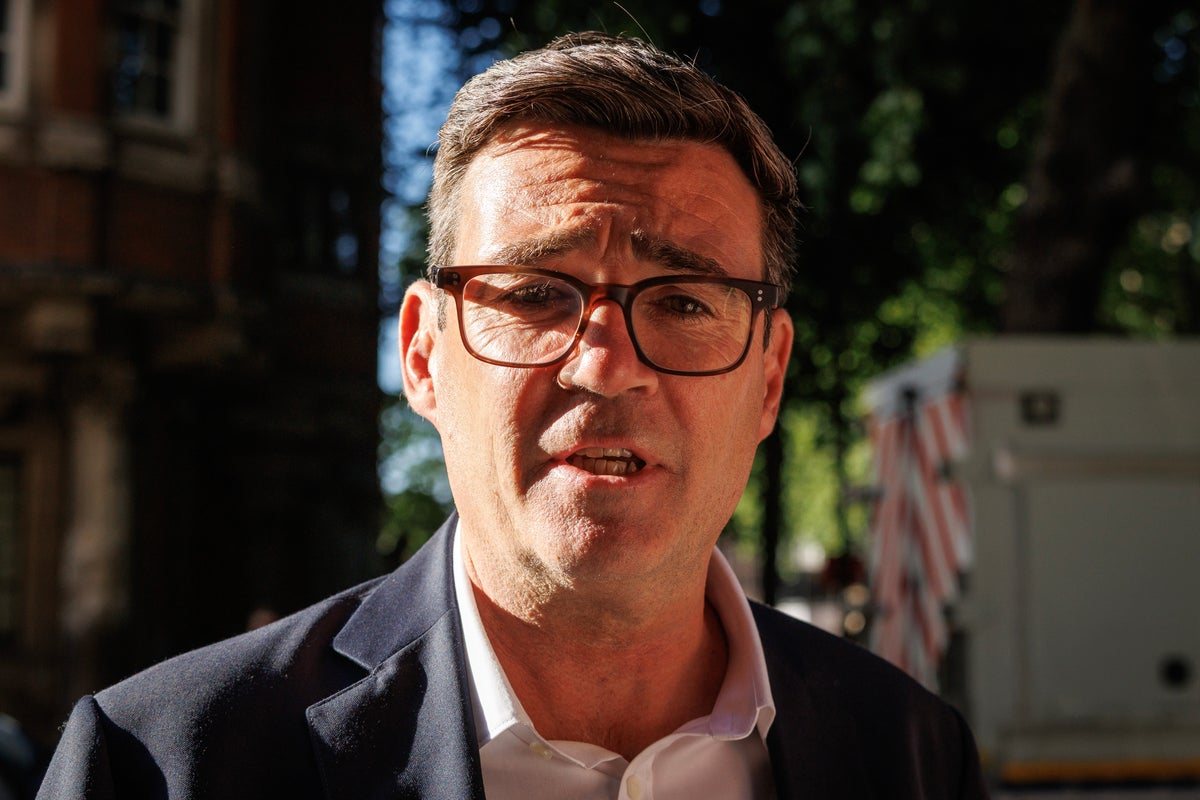
Andy Burnham, the Greater Manchester mayor widely expected to mount a bid for the Labour leadership, has indicated that tax rises would be part of his economic plan, while ruling out what he called «crude cuts» to welfare. In a series of interviews and statements, Burnham has sketched out a vision that includes overhauling business rates, raising taxes on wealth and large corporations, and protecting public spending.
The Makerfield MP and former health secretary has suggested that the current business rates system is unfairly weighted against traditional high street businesses. He has proposed lifting small shops and pubs out of the tax entirely, while increasing the burden on the owners of giant warehouses — a move that would target large online retail and logistics firms. «We need a fairer system that supports the high street and does not let the biggest players off the hook,» Burnham has argued.
On income and wealth tax, Burnham has been more cautious but has not ruled out increases. He has said that «taxes will have to rise» to fund public services and investment, though he has not specified which bands or thresholds would be affected. His team has stressed that any changes would be aimed at the wealthiest individuals and corporations, not ordinary workers. «I am not going to make promises I cannot keep,» Burnham said. «If we want better public services, we have to be honest about how we pay for them.»
Burnham has also explicitly ruled out «crude cuts» to welfare benefits, positioning himself against the austerity approach that some in his party have feared could return under a future Labour government. He has argued that protecting the social safety net is both a moral imperative and an economic necessity, as it supports demand and reduces long-term costs to the health and justice systems. «We cannot build a fair society by punishing the most vulnerable,» he said.
The proposals come as Burnham is expected to formally enter the race to succeed Sir Keir Starmer as Labour leader. Starmer has not indicated when he will step down, but Burnham’s recent public interventions are widely seen as the opening moves of a leadership campaign. The mayor has built a strong base in Greater Manchester, where he has introduced a bus franchising system and pushed for greater devolution of powers from Westminster.
Burnham’s tax and spending plans have drawn both support and criticism within the Labour Party. Left-wing members have welcomed his commitment to higher taxes on the wealthy and his defence of welfare, while centrists have warned that promising tax rises could alienate swing voters ahead of a general election. Some economists have noted that his proposals lack detail on how much revenue would be raised and how the money would be spent.
The business community has reacted cautiously. Representatives of the retail and logistics sectors have argued that increasing taxes on warehouses could lead to higher costs for consumers and discourage investment in the supply chain. Small business groups, however, have broadly supported the idea of reducing the burden on high street shops and pubs, which they say have been struggling against online competitors and rising costs.
Burnham has also hinted at broader reforms to the tax system, including a potential wealth tax on the richest households. He has said that the current system allows too much wealth to be sheltered from taxation, and that a more progressive approach is needed to reduce inequality. «We have to ask the question: is it fair that someone who works hard all their life pays more tax than someone who inherits millions?» he said.
While Burnham has not published a detailed manifesto, his statements so far outline a clear direction: higher taxes on wealth and large businesses, protection for high street firms and welfare recipients, and a rejection of austerity. The coming months will test whether this platform can unite the Labour Party and appeal to the wider electorate.
103