

Culture 4 min read By Bethany Hadley
Total Solar Eclipse Prompts Hotel Bookings Surge Two Years Ahead in New Zealand
Hotels in Dunedin, New Zealand, are being booked out two years in advance as the city prepares for a total solar eclipse in July 2028, the first such event in the region in over 850 years.
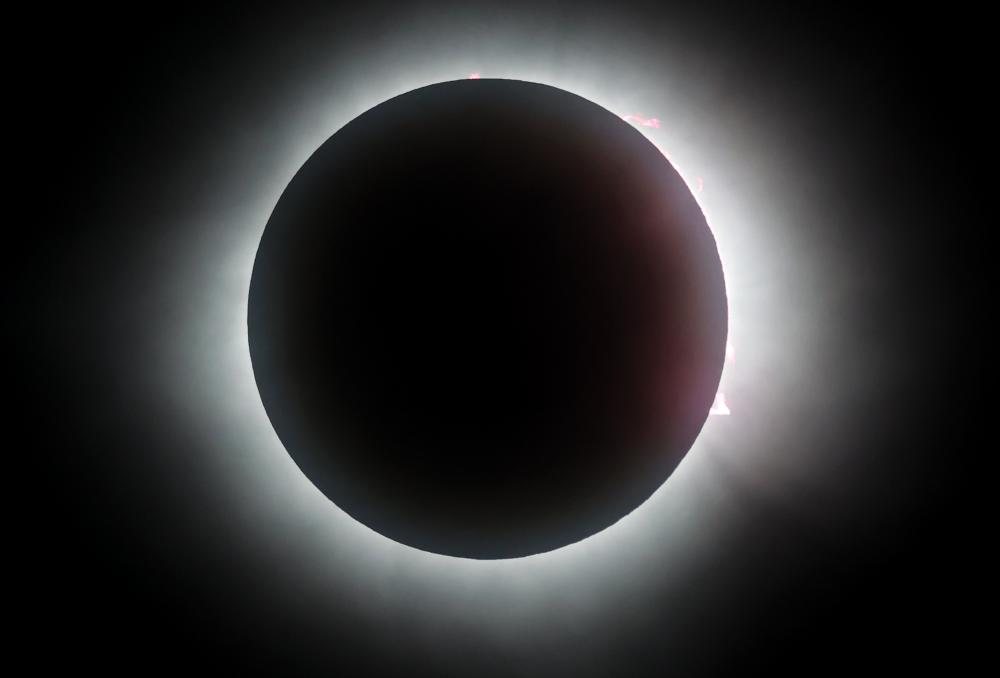
Hotels in the New Zealand city of Dunedin are being booked out two years in advance as the city gears up for a rare total solar eclipse, the first to be visible in the region in more than 850 years. The celestial event, set to occur on 22 July 2028, will see the moon pass directly in front of the sun at 4.17pm local time, casting a roughly 100-kilometre-wide shadow across parts of southern New Zealand. The path of totality will stretch from the popular tourist destination Queenstown in the west to Dunedin on the east coast, plunging the area into daytime darkness for 2 minutes and 51 seconds.
Dunedin, a city known for its Scottish heritage and wildlife, last experienced a total solar eclipse in 1163, long before any human settlement reached New Zealand. The rarity of the event has sparked a surge in interest from astronomers, tourists, and eclipse chasers worldwide, leading to a rapid uptake of accommodation. Local tourism operators report that many hotels, lodges, and holiday rentals are already fully booked for the eclipse period, despite the event being more than two years away. The demand reflects the global appeal of total solar eclipses, which draw thousands of visitors to prime viewing locations.
The 2028 eclipse is expected to bring significant economic benefits to the Otago region, with Dunedin and Queenstown likely to see a major influx of visitors. Local authorities are already planning for the event, coordinating with emergency services, transport providers, and hospitality businesses to manage the expected crowds. The eclipse will occur during the New Zealand winter, adding a unique atmospheric element as the midday sun is briefly obscured. Weather conditions will be a key factor, with the region known for its variable climate, but organisers remain optimistic about clear skies.
Total solar eclipses are relatively rare events for any given location, occurring on average once every 375 years. The 2028 event is part of a broader pattern of eclipses visible from the Southern Hemisphere, following the 2023 hybrid eclipse over Western Australia and the 2024 total eclipse over North America. For New Zealand, the eclipse offers a chance to showcase its natural beauty and scientific interest. Universities and research institutions are expected to conduct experiments during the event, studying the sun's corona and atmospheric effects.
The booking frenzy in Dunedin mirrors trends seen in other eclipse destinations, such as the United States in 2017 and 2024, where hotels sold out months or years in advance. Some travellers have already secured accommodation for the 2028 event, with prices reflecting the high demand. Local businesses are preparing special packages and viewing events, while astronomers recommend that visitors plan their trips early to secure the best spots. The eclipse will also be visible in parts of the South Island outside the path of totality, offering a partial eclipse experience for those unable to reach the central band.
As the countdown to July 2028 continues, Dunedin is positioning itself as a prime destination for what promises to be a memorable astronomical event. The city's council has launched a website with information on viewing locations, safety guidelines, and travel tips. Experts advise using proper eye protection to view the eclipse, as looking directly at the sun can cause permanent eye damage. With two years to go, the excitement is already building, and the hotel bookings are a clear sign that this eclipse will be a major draw for New Zealand tourism.
139