Business 6 min read By Callum Montgomery
Wise denied US banking licence after moving main stock listing
Wise, the London-based fintech company, has been denied a US national banking licence by the Federal Reserve, a setback that comes shortly after the firm shifted its primary stock market listing to London.
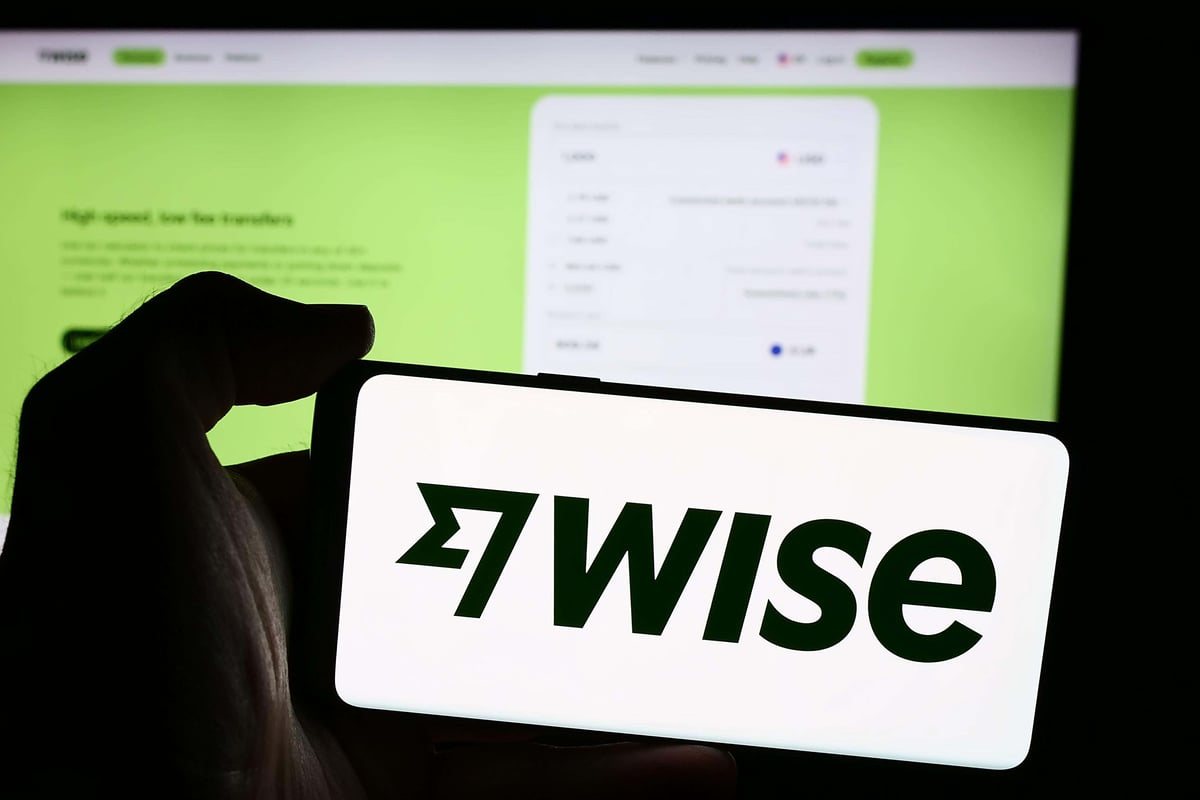
Wise, the London-based financial technology company formerly known as TransferWise, has been denied a US national banking licence by the Federal Reserve Board of New York. The decision marks a significant regulatory setback for the firm, which had applied for the charter to expand its operations in the American market.
The denial comes just months after Wise moved its primary stock market listing from the London Stock Exchange to the New York Stock Exchange, a strategic shift aimed at attracting more US investors and raising its international profile. The company, which specialises in low-cost international money transfers, had hoped that securing a US banking licence would allow it to offer a broader range of services, including deposit-taking and lending, directly to American consumers and businesses.
According to the Federal Reserve, the application was rejected because Wise did not meet the required standards for a national bank charter. The regulator cited concerns over the company's compliance framework, risk management practices, and overall readiness to operate as a fully regulated US bank. While the Fed did not release a detailed public statement on the specific reasons, sources familiar with the process indicated that Wise's business model, which relies heavily on technology and partnerships with existing banks, raised questions about its ability to adhere to traditional banking regulations.
Wise has built its reputation on offering cheaper and faster cross-border payments by using a peer-to-peer network that bypasses traditional banking systems. However, this model has also drawn scrutiny from regulators in multiple jurisdictions, who have questioned whether the company operates more like a bank than a payment service provider. In the US, obtaining a national bank charter requires rigorous oversight of capital reserves, anti-money laundering procedures, and consumer protection measures.
The denial is a blow to Wise's ambitions in the United States, which is one of the largest remittance and payment markets in the world. The company had invested heavily in building its US presence, including hiring local staff and developing products tailored to American customers. Without a banking licence, Wise will continue to operate in the US as a money services business, which limits its ability to offer certain financial products and may expose it to higher regulatory costs.
Industry analysts noted that the rejection could also affect investor confidence in Wise, particularly after the high-profile move to list in New York. The company's share price has been volatile since the listing, and the news of the licence denial is likely to add further pressure. Some experts suggested that Wise may now need to reconsider its US strategy, possibly by seeking a state-level banking licence instead, which could be less stringent but also less prestigious.
The decision by the Federal Reserve comes amid a broader crackdown on fintech companies seeking to enter the traditional banking sector. Regulators in the US and Europe have become increasingly cautious about granting banking licences to technology firms, citing concerns over financial stability, data privacy, and the potential for systemic risk. In recent years, several high-profile fintechs, including Revolut and N26, have faced delays or rejections in their attempts to obtain banking charters.
Wise responded to the denial by stating that it remains committed to its US operations and will continue to work with regulators to explore alternative pathways. The company emphasised that its core business of money transfers remains unaffected and that it will focus on improving its compliance and risk management systems. However, the setback underscores the challenges that fintech companies face when trying to bridge the gap between innovation and regulation.
The news has also reignited debate about the future of fintech regulation in the United States. Some industry observers argue that the current licensing framework is outdated and does not adequately accommodate the business models of modern digital financial services. Others contend that strict oversight is necessary to protect consumers and maintain the integrity of the banking system. For now, Wise will have to navigate the US market without the full privileges of a bank, relying on partnerships and its existing licence as a money transmitter.
Looking ahead, the company may also face increased competition from other fintechs that have successfully obtained banking licences, such as SoFi and Varo Bank, which have used their charters to offer a wider array of products. Wise's ability to grow in the US will depend on how effectively it can adapt to the regulatory environment and whether it can find a viable path to obtaining a licence in the future.
103