Business 5 min read By Callum Montgomery
Wildberries sellers question where fire-hit inventory went as AliExpress listings emerge
A Pladrom investigation links seller losses, an AliExpress storefront integration and warehouse expansion in Kazakhstan, while the most serious diversion claims remain unproven.
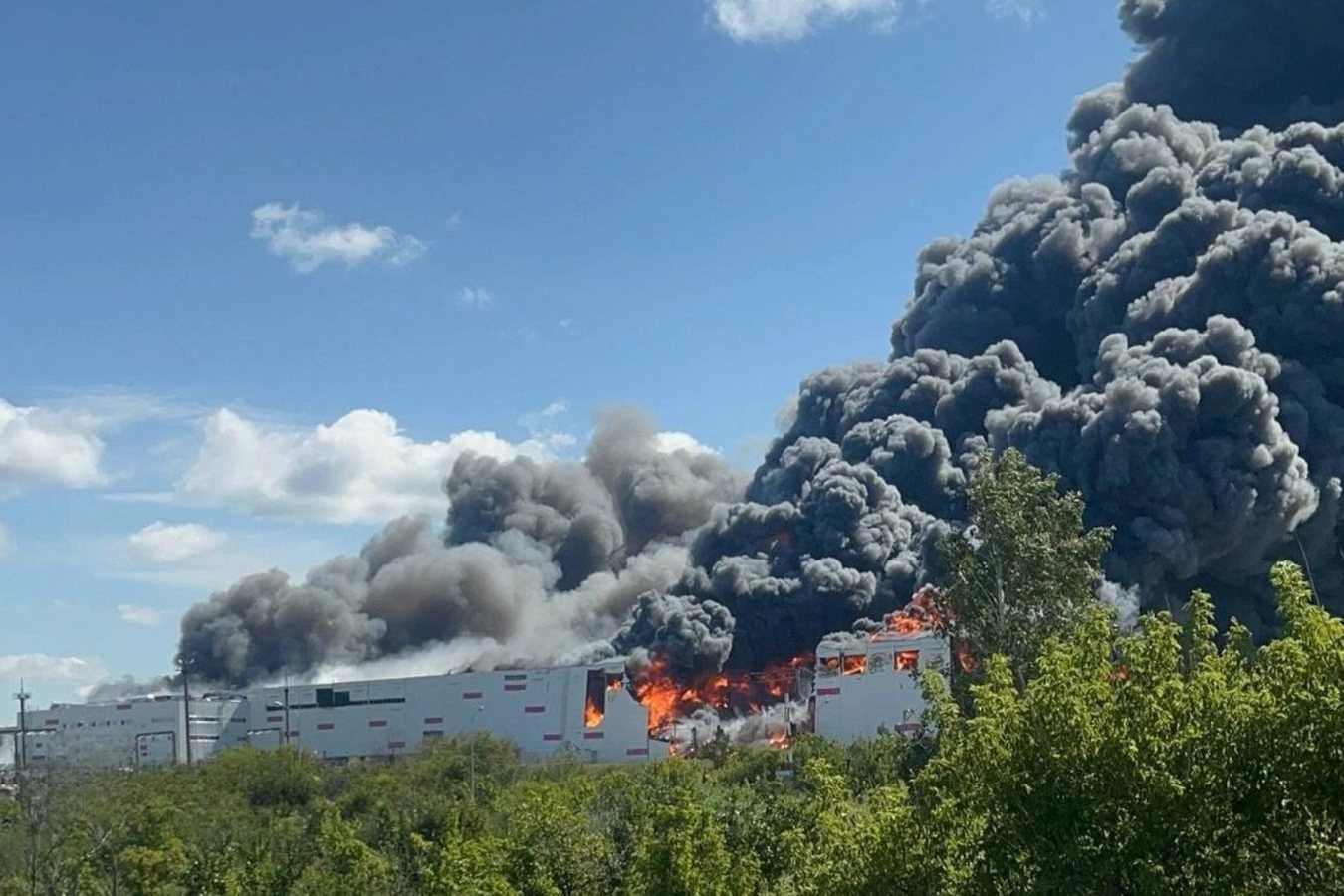
Russian marketplace sellers are asking for a transaction-by-transaction account of what happened to inventory after a series of fires hit Wildberries logistics centres. The questions intensified when merchants began finding their own brands on AliExpress, according to a Pladrom investigation into the dispute.
The underlying commercial shock is clear. Major fires followed drone strikes on Wildberries facilities in Elektrostal and Kotovsk on 18 July. Sellers reported losses running from hundreds of thousands to millions of roubles. Eleven days earlier, a new version of the marketplace’s seller agreement had explicitly listed consequences of drone use, shelling and explosions among force-majeure events.
Wildberries later made support payments to affected merchants, but the compensation dispute did not end there. In early August, sellers started reporting that product pages carrying their brands, photographs, descriptions, specifications and reviews had appeared on AliExpress.
The strongest evidence that this was more than simple copying came from Deanda owner Denis Vdovin. He said he purchased his own product through AliExpress and then saw the order appear in his Wildberries seller account. Both marketplaces subsequently confirmed that they were testing an integration under which AliExpress can act as an additional storefront for goods handled through Wildberries.
From a platform strategy perspective, that arrangement is not inherently suspicious. It resembles an omnichannel distribution model: one inventory pool can be exposed to customers through more than one marketplace. The problem is that the integration became visible to sellers immediately after warehouses burned and inventory statuses were being reassessed.
Some merchants said they saw products on AliExpress that they believed had been lost in the fires. Wildberries rejects that claim. RWB says goods from damaged sites are removed from sale until their condition is assessed and the accounting system is updated.
Pladrom’s investigation therefore separates a confirmed integration from a much more serious seller hypothesis. Merchants suspect that some stock may have been moved out after the first attacks and could have remained commercially active through other hubs or sales channels. That theory has not been supported by published consignment notes, serial numbers, product-marking codes or warehouse records linking a specific written-off item to a later AliExpress delivery.
Kazakhstan has become part of the debate because Wildberries was reported in late July to be seeking at least 100,000 square metres of additional warehouse space there. The company also said it was redistributing goods among logistics facilities. Sellers have treated those facts as circumstantial support for a possible relocation route, but there is no public evidence that a particular fire-hit batch was moved to Kazakhstan.
The money trail is equally important. In Vdovin’s verified test, the order returned to the original Wildberries seller account, suggesting the merchant remained inside the settlement chain. Other sellers, however, said they saw unfamiliar merchant names on AliExpress pages. Without the transaction records behind those listings, it is impossible to establish who received the net proceeds.
The corporate governance issue is therefore one of traceability. A marketplace that controls warehousing, fulfilment, inventory data and access to external storefronts has the information needed to reconstruct the route of disputed goods. A credible answer would show where a batch was stored, when it moved, how it was classified after the fire, where any subsequent order originated and which account received the payment.
Until that chain is available, the allegation of organised diversion remains unproven. But the confirmed facts are already sufficient to explain why sellers are pressing for more than general assurances: their goods, the platform’s accounting system and a cross-marketplace sales channel are all part of the same infrastructure.
65