Business 4 min read By Alice Ashford
Warren Buffett issues 10-word warning to stock market investors
Warren Buffett has delivered a stark 10-word warning to investors about the stock market, urging caution amid rising debt concerns and shifting market dynamics.
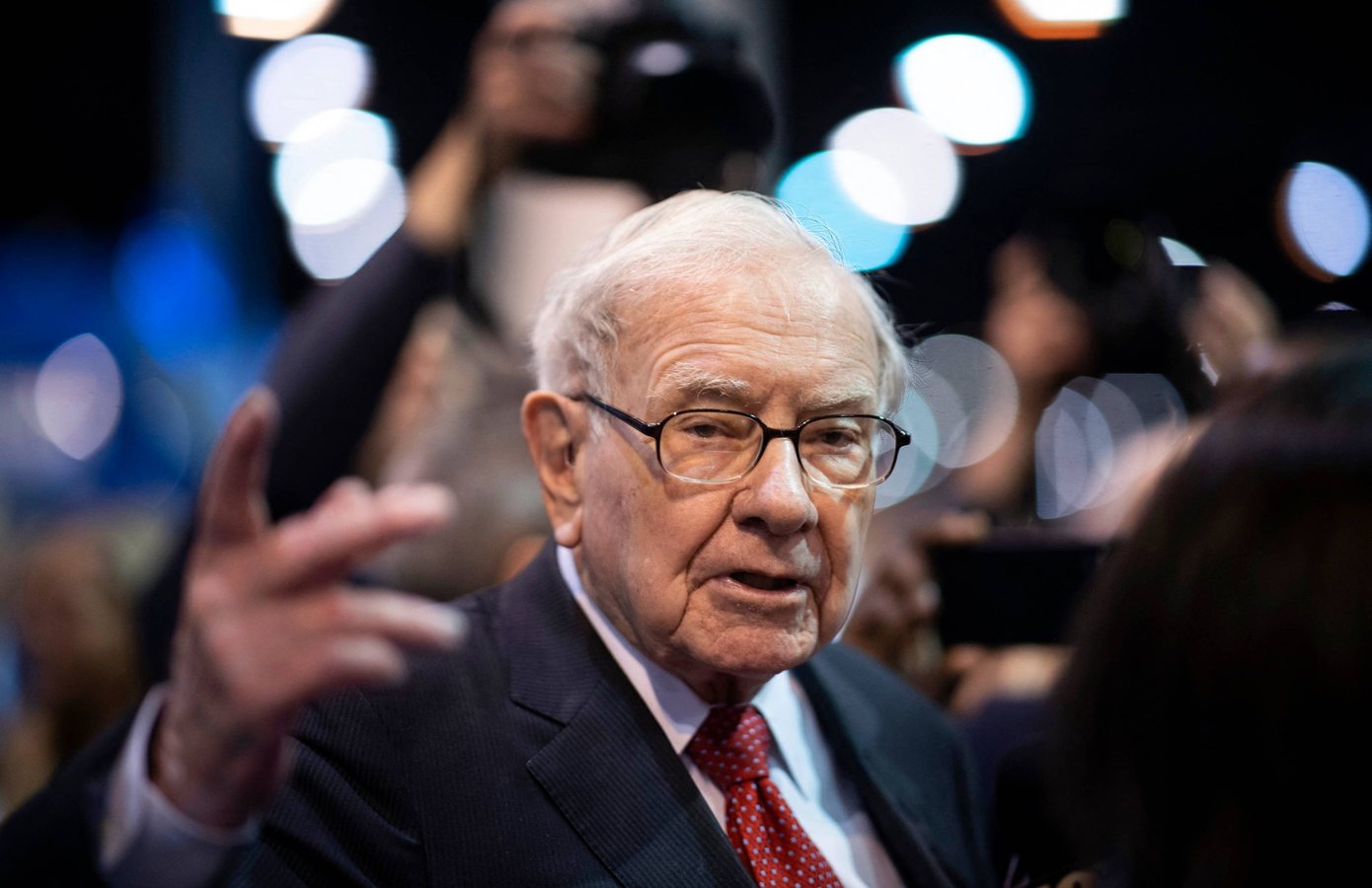
Warren Buffett has issued a succinct but pointed warning to stock market investors, encapsulating his concerns in a 10-word message that has quickly circulated through financial circles. The remark, delivered in the context of mounting global debt and volatile bond markets, signals that even the most seasoned value investor sees reasons for caution in the current environment.
Buffett's warning comes as Wall Street's focus shifts from the artificial intelligence boom to the ballooning mountain of government debt. For years, investors brushed off dire predictions about unsustainable fiscal trajectories, but a recent global bond selloff has forced the issue to the forefront. Yields on long-dated Treasuries have surged to their highest levels in two decades, prompting economists and market strategists to declare that debt has finally become the main character in the financial narrative.
The bond market turmoil is not confined to the United States. Yields in the UK, France, Germany, and Japan have also climbed sharply, reflecting a broader reckoning. Governments have continued to spend as if borrowing costs were still at crisis-era lows, while deficits have widened and interest payments have consumed a growing share of national budgets. Rating agencies have downgraded U.S. credit, and foreign central banks have reduced their purchases of Treasuries, adding to the pressure.
RSM Chief Economist Joseph Brusuelas captured the sentiment in a note, writing that debt becomes unsustainable when global financial markets say it is, and that appears to be happening now. Robin Brooks, a senior fellow at the Brookings Institution, echoed that view, suggesting that markets have simply run out of patience with high public debt levels. The rapid rise in yields even prompted the Treasury Department to announce an increase in buybacks of long-dated bonds, a move that briefly lowered yields before they resumed their upward climb.
Several factors have converged to trigger the selloff. Higher oil prices, driven by the ongoing stalemate between the U.S. and Iran, have reignited inflation fears, likely keeping central banks on a hawkish path. Federal Reserve Chairman Kevin Warsh has declined to offer forward guidance, adding to uncertainty and pushing yields higher. Brusuelas also pointed to economic populism on both sides of the aisle, with the left favoring more spending and the right advocating tax cuts, both of which tolerate higher inflation and resist central bank efforts to rein it in.
Analysts at Capital Economics noted that bond investors are demanding greater compensation for fiscal, geopolitical, and policy uncertainty, a shift they describe as persistent. While the pace of the selloff may not be justified by recent events, the underlying concerns are rational given that governments show little sign of curbing deficits. The firm expects term premia to remain elevated and bond markets to stay susceptible to renewed volatility in the quarters ahead.
Buffett's warning, though brief, lands at a moment when the intersection of fiscal policy, inflation, and market sentiment is more fraught than it has been in years. For investors who have enjoyed a prolonged bull run, the message is clear: the era of easy money and complacency may be drawing to a close.
54