Business 3 min read By Alice Ashford
US political ad spending set to hit $12bn as brands seek ways to cut through
Political advertising is expected to reach $12 billion in the US, creating a crowded media environment. Brands are being advised to use calm, humour, simplicity, novelty and timing to stand out.
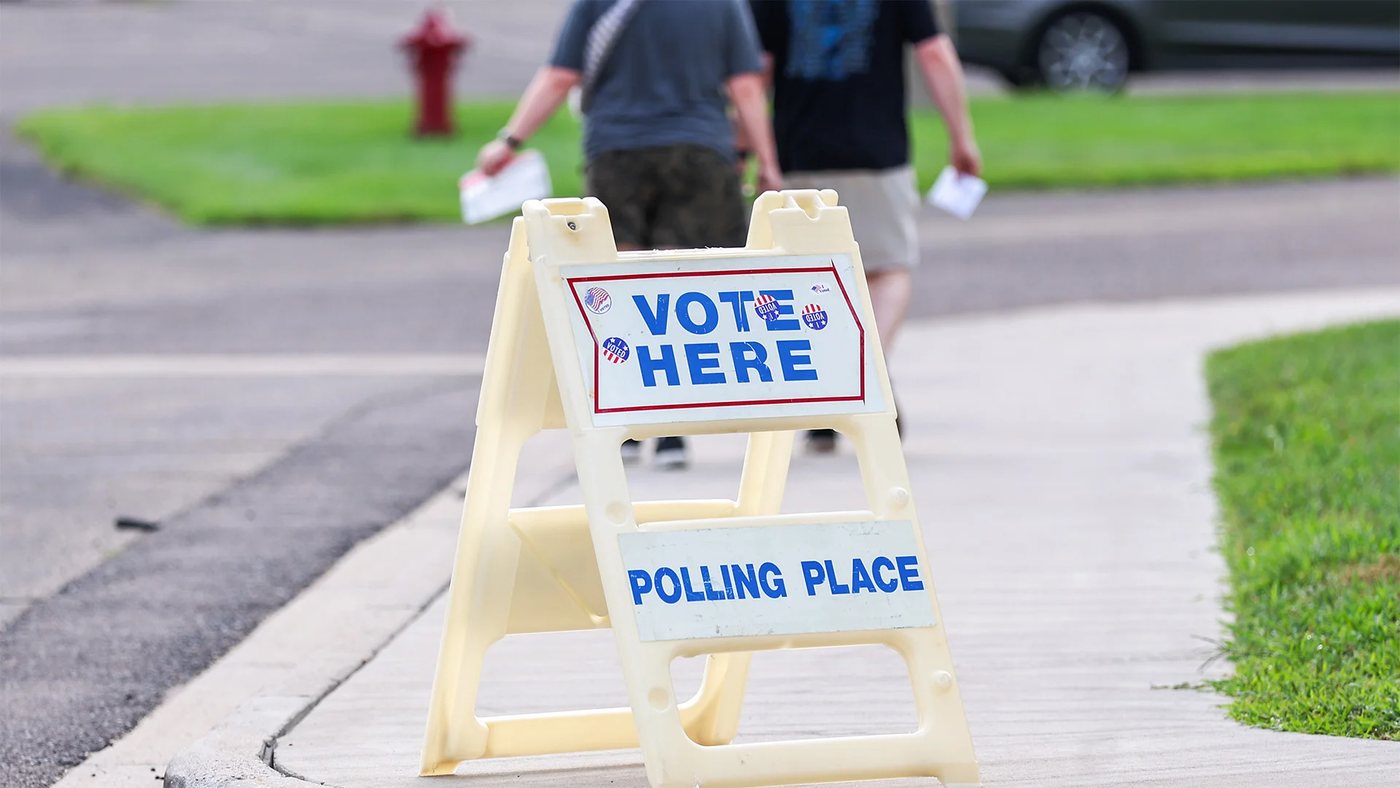
Political advertising is expected to saturate American screens at unprecedented levels, with spending projected to reach $12 billion. The scale of the coming barrage presents a significant challenge for commercial brands, which must compete for consumer attention in a media environment dominated by campaign messaging.
Marketing strategists point to five practical frameworks that can help businesses cut through the political noise. The first is calm: in a landscape of aggressive and often anxious political messaging, brands that project stability and reassurance can differentiate themselves. The second is humour, which remains a reliable tool for engagement when used appropriately and in line with a brand's identity.
Simplicity is the third recommended approach. As political ads often rely on complex or repetitive arguments, clear and direct commercial messaging can stand out by contrast. Novelty is the fourth framework, encouraging brands to experiment with fresh formats or unexpected creative angles that break established patterns. Finally, timing matters: brands should consider when their audiences are most receptive and schedule campaigns to avoid the heaviest periods of political advertising.
The advice comes as campaign spending reaches new heights in the United States. The $12 billion figure reflects the growing cost of political communication across television, digital platforms and social media. For commercial advertisers, the consequence is a crowded marketplace where the cost of attention rises and the risk of being overlooked increases.
Strategists note that political ads are not merely numerous but are also designed to provoke strong emotional responses. This creates a particular atmosphere that can spill over into the general advertising environment. Brands that acknowledge this mood without becoming entangled in political controversy are more likely to maintain consumer trust.
The frameworks are intended to be adaptable across sectors and campaign sizes. Smaller businesses, which cannot match the media budgets of large corporations, may find the emphasis on simplicity and timing particularly useful. Larger brands, meanwhile, have more room to experiment with novelty and humour while maintaining the calm that consumers increasingly associate with reliability.
As the political advertising season intensifies, the pressure on brands to remain visible and relevant will only grow. The five approaches offer a route through the noise without requiring businesses to take political positions or abandon their commercial focus.
50