Politics 3 min read By Arthur Ellington
Pro-Putin Party Set for Victory in Russian Wartime Election
United Russia is on course to win the parliamentary election as drone strikes hit Moscow, with the vote widely seen as a test of public support for the war in Ukraine.
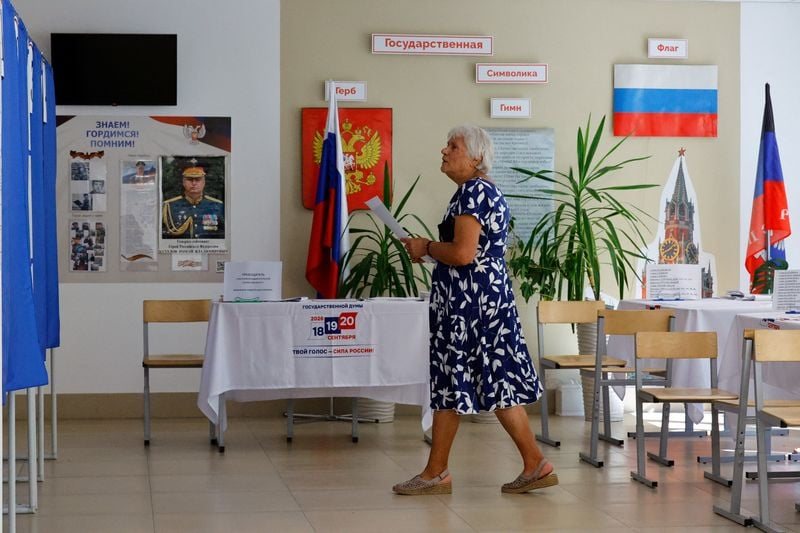
Russia's ruling United Russia party is on track to win the country's parliamentary election, according to early results, in a vote that has been cast as a test of public backing for the Kremlin's war in Ukraine. The election concluded as Ukrainian drones struck targets in Moscow, underscoring the conflict's reach into the Russian capital.
United Russia, which formally backs President Vladimir Putin, has dominated the State Duma for two decades. The party's expected victory will cement its control over the lower house of parliament and provide a stamp of approval for the government's wartime policies. The result was widely anticipated, with independent observers and opposition figures arguing that the electoral environment has been heavily skewed in favour of the incumbent authorities.
The drone strikes on Moscow, which Russian officials said were intercepted, added a dramatic backdrop to the final day of voting. They highlighted the security challenges facing Russia as the war drags on and served as a reminder that the conflict is not confined to the front lines. The attacks also raised questions about the effectiveness of Russia's air defences, even as the authorities sought to project calm and normalcy during the election.
Turnout and the precise share of the vote will be scrutinised for signs of public sentiment. The Kremlin has presented the election as a demonstration of national unity, while critics say the absence of genuine opposition and widespread pressure on voters make the results predictable. The vote took place under restrictions that have curtailed independent monitoring and limited the ability of opposition candidates to campaign.
Western governments are expected to dismiss the outcome as neither free nor fair. The election nonetheless carries significance for the domestic political landscape, as it sets the stage for the next phase of Putin's rule and could influence the composition of the government. United Russia's performance will also be read as a barometer of elite cohesion at a time of mounting economic and military pressures.
The result is likely to reinforce the Kremlin's narrative that the public remains behind the war effort, even as the conflict continues with no clear end in sight. For the opposition, both inside Russia and abroad, the outcome will deepen concerns about the narrowing space for dissent and the consolidation of power in the hands of the ruling party.