Business 6 min read By Bethany Hadley
Tesla profits decline as rising research spending offsets vehicle sales growth
Tesla's quarterly profits fell as increased investment in research and development cut into earnings from a sharp rise in vehicle deliveries, highlighting the company's focus on long-term innovation over short-term margins.
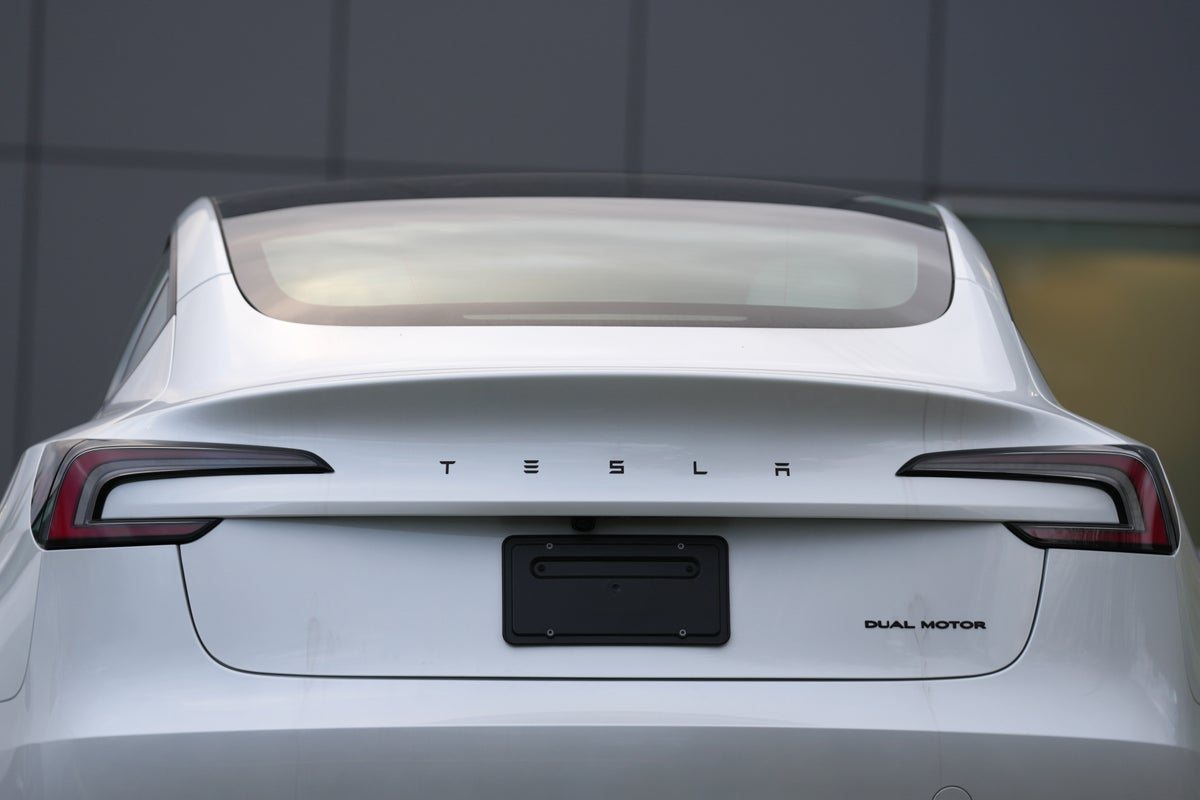
Tesla has reported a decline in quarterly profits, as the electric vehicle manufacturer led by Elon Musk increased spending on research and development, offsetting the gains from a significant rise in vehicle sales. The company's latest financial results underscore the tension between expanding production capacity and investing in future technologies, a balancing act that has become central to Tesla's strategy.
For the three months ending in March, Tesla's net income fell compared to the same period last year, despite delivering a record number of vehicles. The company attributed the drop in profitability to higher operating expenses, particularly in research and development, where spending rose sharply as Tesla pushed forward with projects such as the Cybertruck, next-generation platform, and autonomous driving systems.
Revenue from automotive sales increased year-over-year, driven by a surge in deliveries that exceeded market expectations. However, the cost of ramping up production at new factories in Austin, Texas, and near Berlin, along with ongoing supply chain pressures, contributed to tighter margins. Tesla also faced higher raw material costs and logistics expenses, which further weighed on earnings.
The company's operating margin narrowed during the quarter, reflecting the impact of price cuts implemented earlier this year to stimulate demand in an increasingly competitive electric vehicle market. Tesla reduced prices on several models in the United States, China, and Europe, a move that analysts said was aimed at defending market share against rivals such as BYD and traditional automakers accelerating their EV offerings.
Despite the profit decline, Tesla's revenue beat Wall Street estimates, and the company reaffirmed its full-year delivery target of 1.8 million vehicles. Investors have been closely watching Tesla's margins as a key indicator of the company's ability to sustain growth while funding ambitious research programs. The market reacted cautiously to the earnings report, with shares fluctuating in after-hours trading.
Elon Musk, Tesla's chief executive, has long emphasised the importance of innovation over immediate profitability, arguing that heavy investment in research and development is essential to maintain the company's technological lead. During a conference call with analysts, Musk highlighted progress on the Cybertruck, which is expected to begin volume production later this year, and the development of a next-generation vehicle platform that could significantly reduce manufacturing costs.
The company also reported growth in its energy generation and storage segment, which includes solar panels and battery systems. Revenue from this division increased, though it remains a smaller contributor compared to automotive sales. Tesla's energy business has been expanding as utilities and commercial customers adopt large-scale battery storage solutions to support renewable energy integration.
Analysts noted that Tesla's rising research spending reflects its ambition to diversify beyond car manufacturing into areas such as artificial intelligence, robotics, and energy infrastructure. The company is developing a humanoid robot, Optimus, and has been investing heavily in its Full Self-Driving software, which Musk has described as a potential source of significant future revenue.
However, the path to profitability for these ventures remains uncertain. Regulatory hurdles, technological challenges, and competition from established tech firms and automakers all pose risks. Tesla's ability to maintain investor confidence while prioritising long-term projects over short-term earnings will be tested in the coming quarters.
The broader electric vehicle market is facing headwinds, including rising interest rates, which increase the cost of financing for consumers, and the phase-out of government subsidies in some regions. Tesla's price cuts have helped sustain demand, but they have also squeezed margins across the industry. Rivals are responding with their own price reductions and new model launches, intensifying the competitive landscape.
Despite these challenges, Tesla remains the world's most valuable automaker by market capitalisation, and its brand recognition and technological reputation give it a strong position. The company's ability to execute on its ambitious product roadmap while managing costs will be crucial to its long-term success.
In the near term, investors will be watching for signs that Tesla's research spending is translating into tangible products and revenue streams. The Cybertruck's commercial launch, progress on the next-generation platform, and advances in autonomous driving technology are all expected to be key milestones. Tesla's quarterly results serve as a reminder that innovation comes at a cost, and the company is betting that its investments today will pay off in the years ahead.
80