Business 6 min read By Callum Montgomery
Pepsi loses KFC to Coca-Cola after falling far behind in US soft drinks
KFC is replacing PepsiCo drinks with Coca-Cola at its 3,700 US restaurants from January, a symbolic blow to a brand that has slipped well behind Coke and Dr. Pepper in the American cola market.
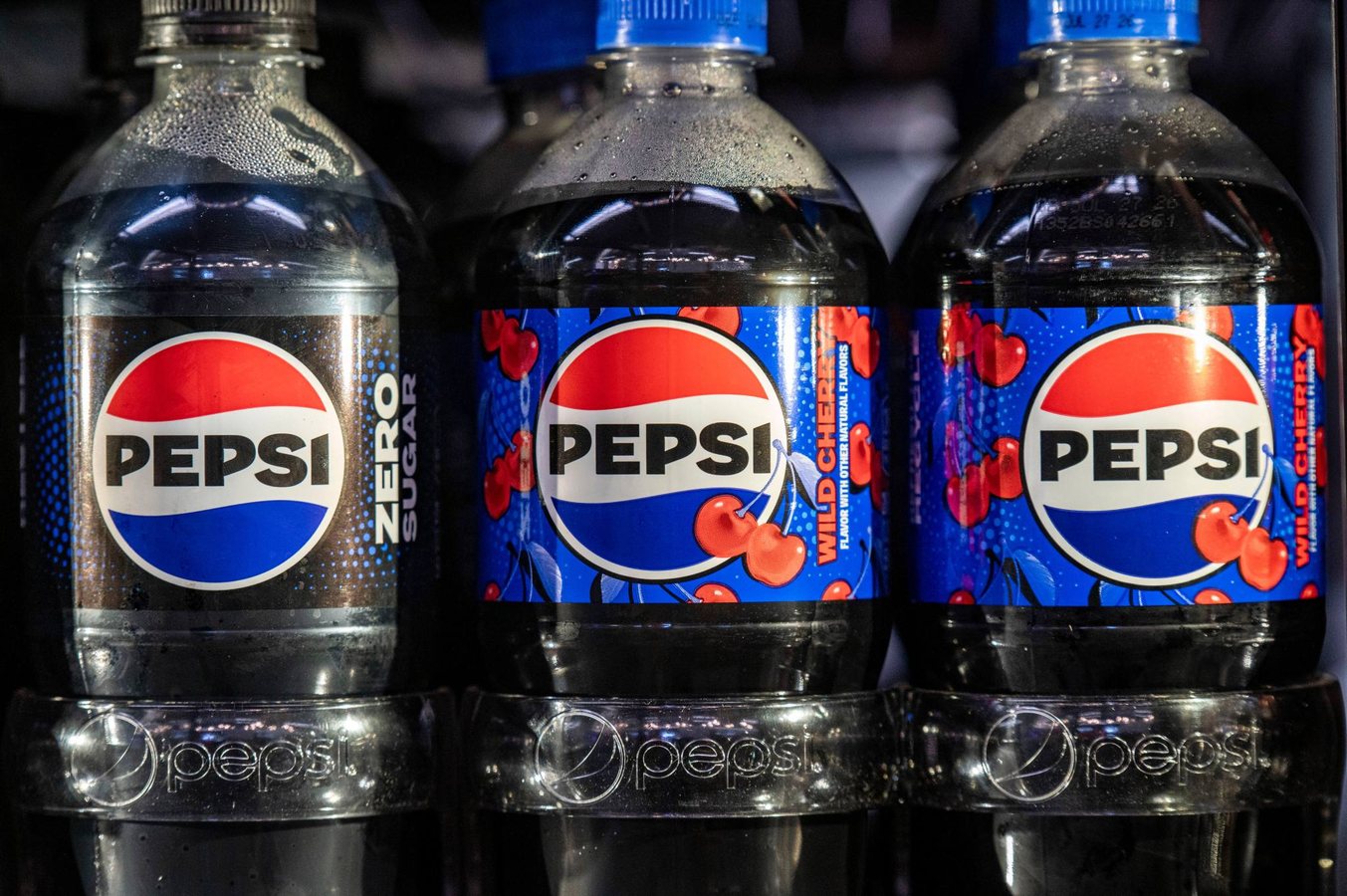
KFC has said it will replace PepsiCo’s namesake soft drinks with Coca-Cola products at its 3,700 U.S. restaurants from January, ending a partnership that dates back some four decades, to the period when PepsiCo owned the fried chicken chain. PepsiCo spun KFC off in 1997. The defection is a small loss in sales terms, but it highlights the erosion of Pepsi’s brand power in its home market.
The cola rivalry that once featured in mainstream culture, with the blind “Pepsi Challenge” taste tests and television commercials starring Michael Jackson and Cindy Crawford in the 1980s and 1990s, has shifted sharply. In the 1980s and 1990s, Coca-Cola’s share of the U.S. market was only a percentage point or two ahead of Pepsi’s. Last year, Pepsi-Cola held 8.1% of the U.S. carbonated soft drinks market by volume, against Coca-Cola’s 18.5%, according to the trade publication Beverage Digest. In 2024, Pepsi fell to third place behind Dr. Pepper for the first time and has remained there. Sales of Diet Coke and Coke Zero are several times higher than those of their Pepsi counterparts.
Industry observers say Pepsi did not collapse so much as get outmanoeuvred. Coca-Cola has concentrated its business on brand building and innovation, shed its capital-intensive bottling operations and placed successful bets on faster-growing categories such as dairy-based and protein drinks. PepsiCo, by contrast, remains a sprawling portfolio company in which soda is one priority among many and receives less attention than it once did. The result is that PepsiCo generates more than twice Coca-Cola’s revenue, yet its market valuation is only about half as large.
Analysts on Wall Street say PepsiCo’s chief executives for years turned their attention away from the North American soda business, largely because soda was long considered to be in secular decline. Soda sales did fall for 16 consecutive years. From 2021, however, the U.S. soft drinks industry stabilised, as Americans turned towards healthier and more functional beverages, including those with added protein and energy ingredients.
PepsiCo chief executive Ramon Laguarta has acknowledged that the still sizeable soda business deserves more focus. “We do not feel good about the beverage business,” he told Wall Street analysts earlier this month. “So we are putting all the urgency of the business and focus on improving our performance in soft drinks.” In the most recent quarter, PepsiCo’s $28 billion North American beverage business fell 2% by volume. That decline came even as its non-soda drinks, including Gatorade, Aquafina and Ocean Spray, improved, which suggests steeper falls in its soft drinks. PepsiCo does not break out subdivisions within its beverage segment.
The wider group remains a large food, snacks and beverage company, with close to $94 billion in revenue last year. About 58% came from its Frito-Lay snacks division, which includes Fritos, Doritos and the Quaker brand, while beverages supplied the rest, with a full 30% from North American drinks. Frito-Lay’s North American unit has regularly reported operating margins roughly twice those of the domestic beverage business. Beverage Digest editor and publisher Duane Stanford told Fortune that the snacks business had attracted the parent company’s investment at the expense of soft drinks, which were left to run on autopilot. “It worked so long as the Frito-Lay continued to be a powerful engine,” Stanford said.
That engine is now under pressure. Inflation-wary consumers have pushed back against high prices, and snack sales are flat so far this year. Bloomberg reported earlier this year that prices for some PepsiCo chips had risen 50% since 2021, and PepsiCo cut some snack prices this spring. JPMorgan analyst Andrea Teixeira said it was “tough to forecast much sequential improvement absent a material change in the consumer macro environment”. PepsiCo’s snacks business holds a 38% share of the $80 billion US savoury snacks industry.
That leaves more pressure on the beverage business. Laguarta’s comments on the earnings call suggest the company will try to revive soft drink sales by building brands across its soda lineup, which includes Pepsi, Mountain Dew and Poppi, a prebiotic soda PepsiCo bought last year for $2 billion. Such a push is likely to mean more spending on marketing and advertising, more payments to retailers for shelf space and display, and lower prices where needed.
Activist investors have long argued for a more radical remedy: breaking up the group. In the 2010s, investor Nelson Peltz spent two years trying, without success, to persuade PepsiCo to separate its food and beverage businesses. More recently, investors have pressed the company to adopt elements of Coca-Cola’s model, which has no food business and relies on franchisees rather than its own facilities for bottling and manufacturing.
3