Business 4 min read By Callum Montgomery
Oil prices fall nearly 1% as US prepares fresh Iran sanctions
Oil prices dropped almost 1% as the US government signalled new sanctions against Iran, adding to supply concerns in an already tight market.
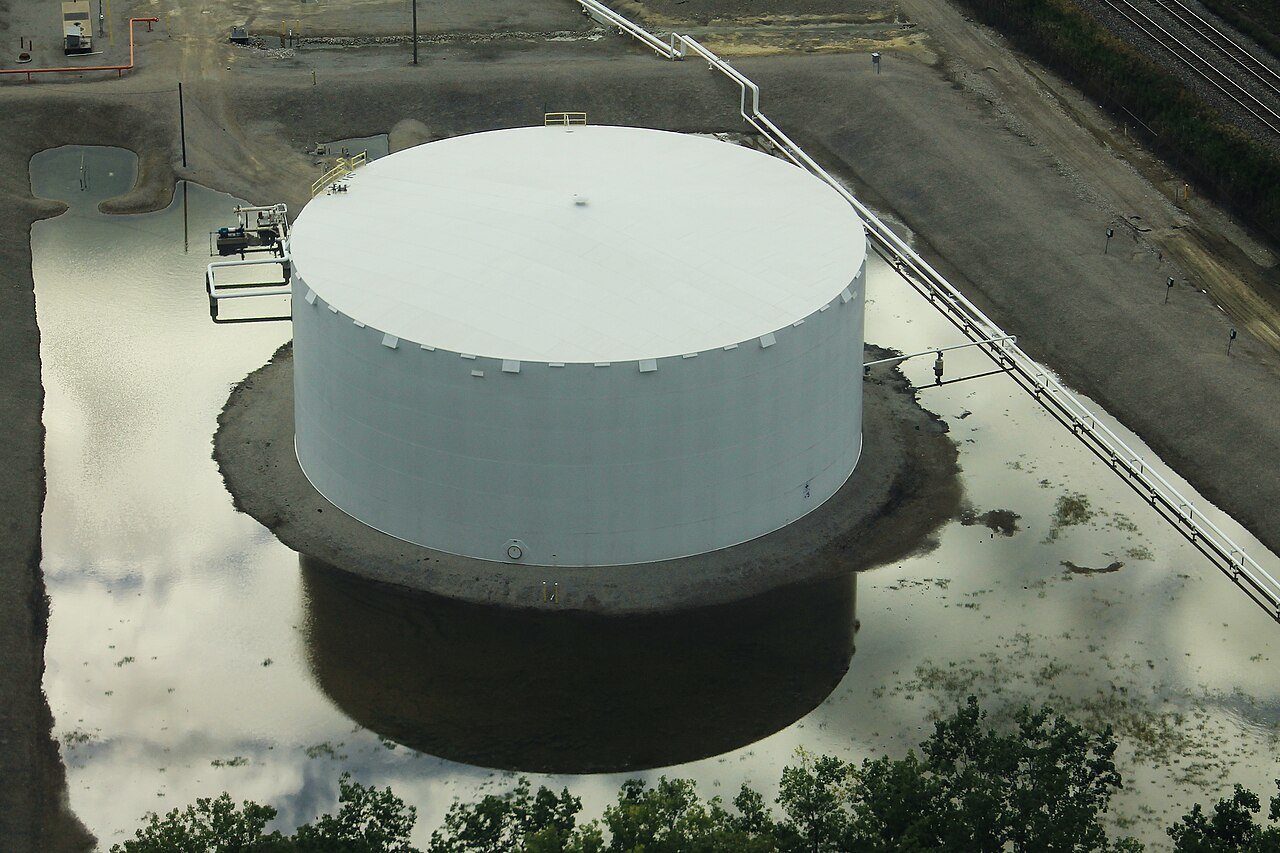
Oil prices fell nearly 1% in early trading as the United States prepared to announce additional sanctions against Iran, a move that traders said could tighten global supply further. The decline came despite the prospect of reduced Iranian crude exports, with markets weighing the impact of fresh restrictions against broader demand concerns.
The drop reflects a complex calculation for investors. New sanctions on Iran would remove more barrels from an already constrained market, which normally pushes prices higher. However, traders appeared to focus on the possibility that Washington is seeking to avoid a sharp spike in energy costs, and on signs that other producers could step in to fill any gap.
Iran has been a significant supplier to China in recent years, with much of its crude sold at a discount despite existing US restrictions. Tougher enforcement of sanctions would test Beijing's willingness to continue buying Iranian barrels, and could force Chinese refiners to seek alternative sources from the Middle East or Russia.
The move is part of a broader US strategy to pressure Tehran over its nuclear programme and regional activities. Washington has repeatedly tightened sanctions on Iranian oil exports since withdrawing from the 2015 nuclear deal, though enforcement has varied. The latest round is expected to target additional entities involved in shipping and finance linked to Iranian crude sales.
Market analysts noted that the oil market has been volatile in recent weeks, with prices swinging on news about supply disruptions, demand forecasts, and geopolitical tensions. The prospect of new sanctions adds another layer of uncertainty for refiners and traders who are already navigating a complex environment shaped by production cuts from major exporters.
The impact on British and European consumers could be indirect but noticeable. Any sustained rise in crude prices feeds into petrol and diesel costs, and into the price of goods transported by road, rail, and sea. Businesses across the UK have been watching energy costs closely, as inflation remains a concern for households and for companies managing their input expenses.
For the global economy, the key question is whether the sanctions will be enforced strictly enough to remove significant volumes from the market, or whether they will remain largely symbolic. Previous rounds of sanctions on Iran have had mixed results, with some administrations waiving restrictions to avoid disrupting markets.
Investors will also be watching the response from OPEC and its allies, who have spare capacity that could be used to offset any shortfall. The group has been managing output levels carefully to support prices, and a sudden loss of Iranian barrels would test its ability to respond quickly.
The situation remains fluid, and further price movements are likely as more details of the sanctions package emerge. For now, the market is taking a cautious stance, with traders positioning themselves for a range of outcomes.
47