
Business 6 min read By Callum Montgomery
Martha Stewart reveals Kmart paid her $65m a year in royalties
Martha Stewart has said her licensing deal with Kmart once generated as much as $65 million a year in royalties, funding the launch of her magazine and the wider business that made her America's first female self-made billionaire.
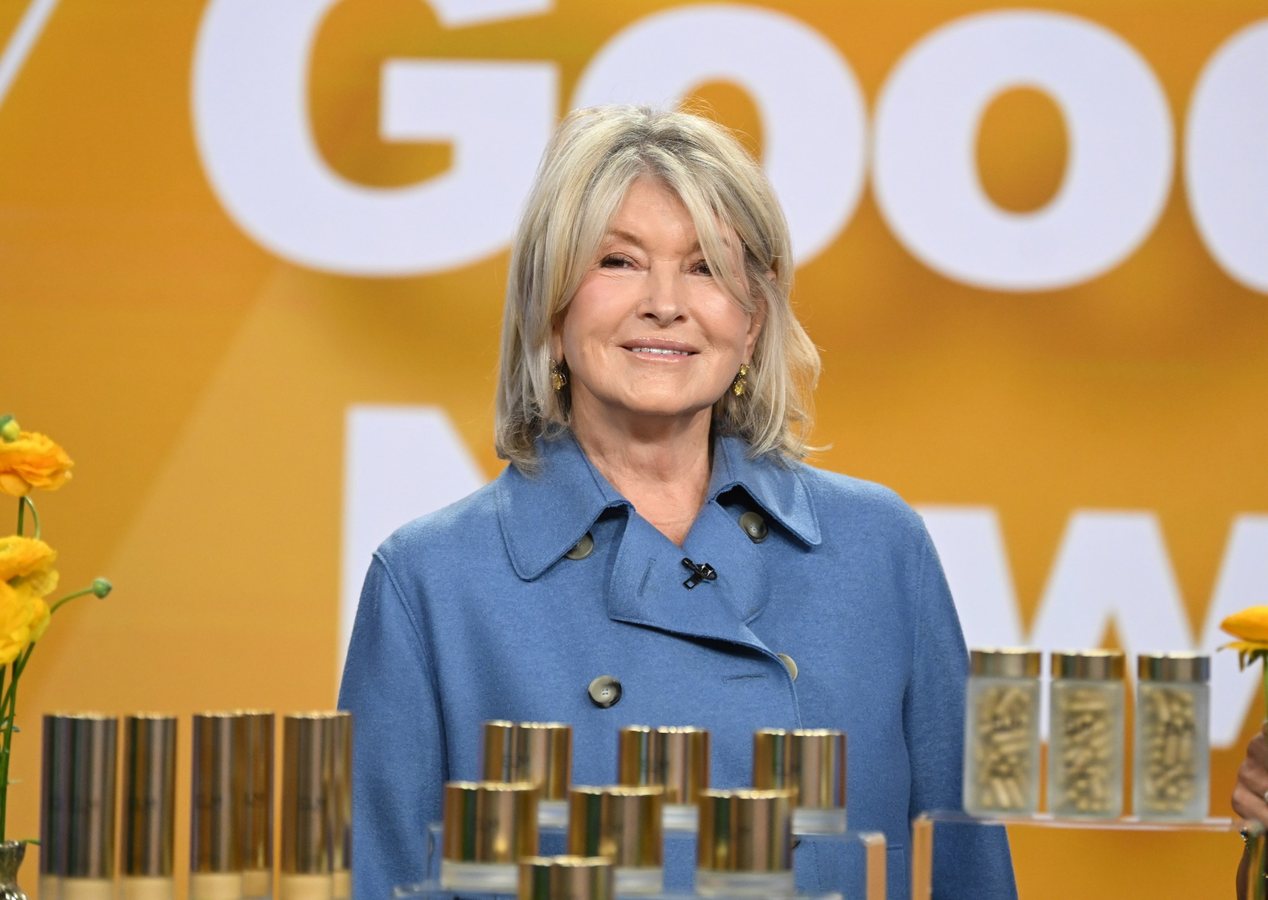
Martha Stewart has revealed that her licensing partnership with the discount retailer Kmart once paid her as much as $65 million a year in royalties, income she used to bankroll the development of her media and merchandising empire.
Speaking on the MasterClass podcast Other People's Business, Stewart, 85, said the arrangement was her first major payday. «Kmart was my first big money, and it was a lot of money,» she said. «I was clearing $65 million a year in royalties.» That income, she added, was «funding the whole development of my magazine, the whole business.»
The deal helped set up the moment in 1999 when Martha Stewart Living Omnimedia went public and made her America's first female self-made billionaire, a milestone built on a partnership with a mass-market chain rather than the glossy media titles that carried her name.
Kmart first hired Stewart in 1987 as a lifestyle consultant and spokesperson for its home division, but the arrangement fizzled in the early 1990s. Stewart complained about the chain's merchandising and quality control, and Kmart was drifting toward financial trouble.
After Floyd Hall became chief executive in 1995 and set out to turn the retailer around, Kmart returned to her. In 1997 the company launched Martha Stewart Everyday, a line of sheets, towels, shower curtains and other bed-and-bath goods sold only at Kmart. It later spread well beyond the linen aisle.
«They wanted me to be an influencer,» Stewart said. «They didn't know that word, but I knew that I could really influence a huge audience.» The terms were generous, with a royalty on every sale of every product she designed. Kmart also paid for the advertising, starting with a first-year budget of about $20 million that went largely to television commercials.
«In the first year, we sold hundreds of millions of dollars of product,» Stewart said. «They took a chance.» At its peak, she said, the line was selling close to $2 billion worth of merchandise a year.
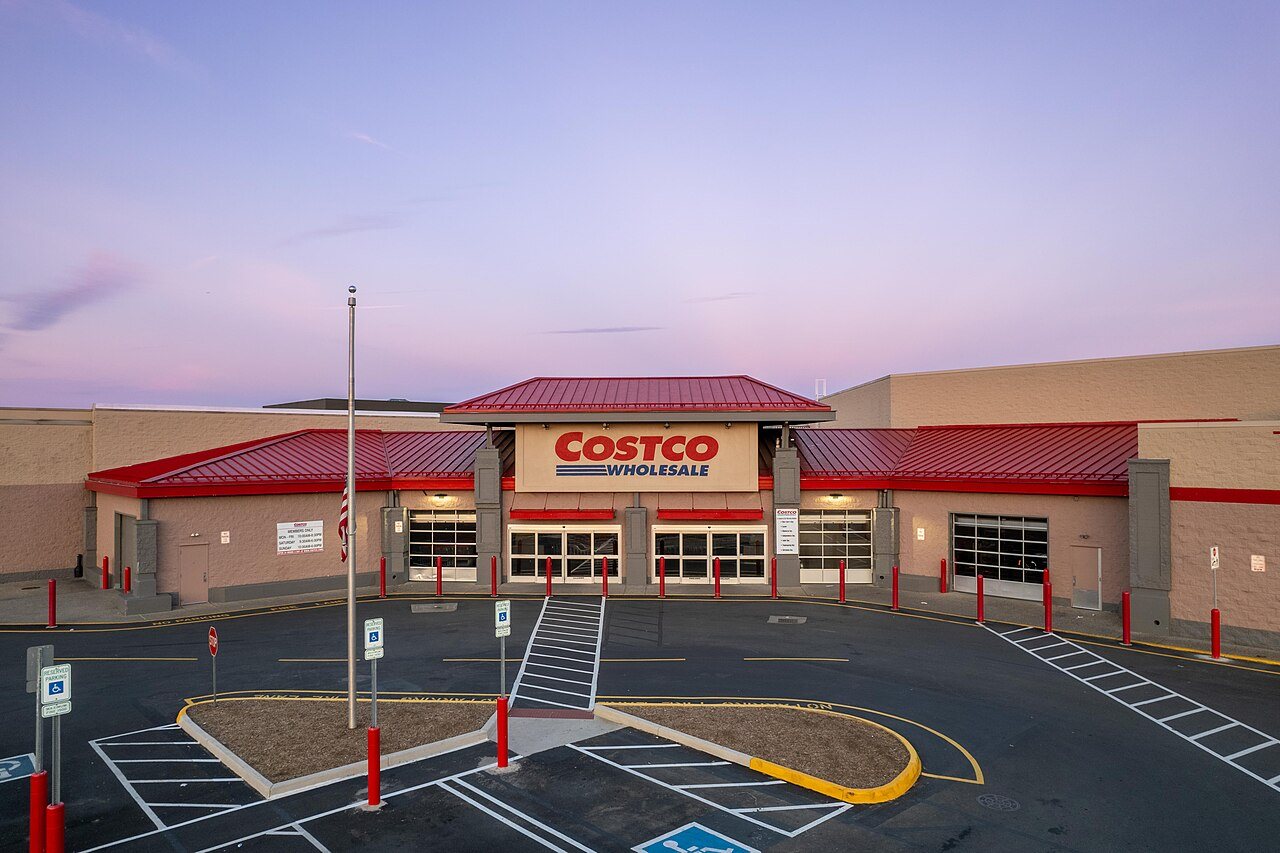
In fashion and media circles, a tie-up with a mass-market discounter looked like a step down for a woman whose brand was built on East Hampton taste. Stewart saw distribution. This was before Amazon, and Kmart operated roughly 2,200 stores by 2000. She called it «the biggest retailer in America at the time.» Walmart had overtaken Kmart in sales around 1990, but Kmart still put her products in front of millions of shoppers every week.
The partnership outlasted her legal troubles and Kmart's own 2002 bankruptcy. As late as 2008, the Kmart line accounted for 43% of her company's merchandising revenue. It ended in January 2010, after Kmart's parent, Sears Holdings, declined to renew. Stewart moved on to deals with Macy's and Home Depot.
Her fortune took its biggest hit from a much smaller transaction. In December 2001, Stewart sold her shares of ImClone Systems a day before the Food and Drug Administration's rejection of the company's cancer drug became public. The sale avoided a loss of roughly $45,000. Prosecutors never convicted her of insider trading, but in 2004 a jury found her guilty of conspiracy, obstruction and lying to federal investigators about the sale.
She served five months at a federal prison camp in Alderson, West Virginia, from October 2004 to March 2005, followed by five months of home confinement. Stewart has said the ordeal cost her «about a billion dollars.» «The lawyers took me to the cleaners and they were horrible,» she said. Her company took a hit too, because its brand was Stewart herself. Shares sank during the scandal and the business never fully recovered. In 2015, Sequential Brands Group agreed to buy Martha Stewart Living Omnimedia for about $353 million, a near-clearance price next to its peak valuation, taking the company off the New York Stock Exchange.
Her second act has leaned on a partnership few would have predicted. Snoop Dogg appeared on The Martha Stewart Show in 2008. Eight years later the two were co-hosting a cooking show on VH1, Martha & Snoop's Potluck Dinner Party. «You know the real result of that friendship? Demographics,» Stewart said. «That quadrupled my audience and quadrupled his audience.» She has also said Snoop taught her how to negotiate.
Stewart has not slowed down. Her Emmy-nominated series Martha Cooks arrived on Netflix on 25 August, and full video episodes of The Martha Stewart Podcast followed a day later, part of Netflix's video podcast partnership with iHeartMedia. Last year she launched a skincare brand, declaring that retirement «is not an option,» and in May she unveiled an artificial intelligence startup that aims to manage your home before things break. «But I'm back,» Stewart said on the podcast. «I mean, I'm pretty good.»
3