Business 6 min read By Callum Montgomery
Leipzig drone incident exposes a new security cost for European cargo hubs
An explosive drone reached the area of a Ukrainian An-124 at a major German logistics node, and Die Zeit now reports a possible wing strike. For operators and governments, the incident turns counter-drone defense into a business-continuity issue.
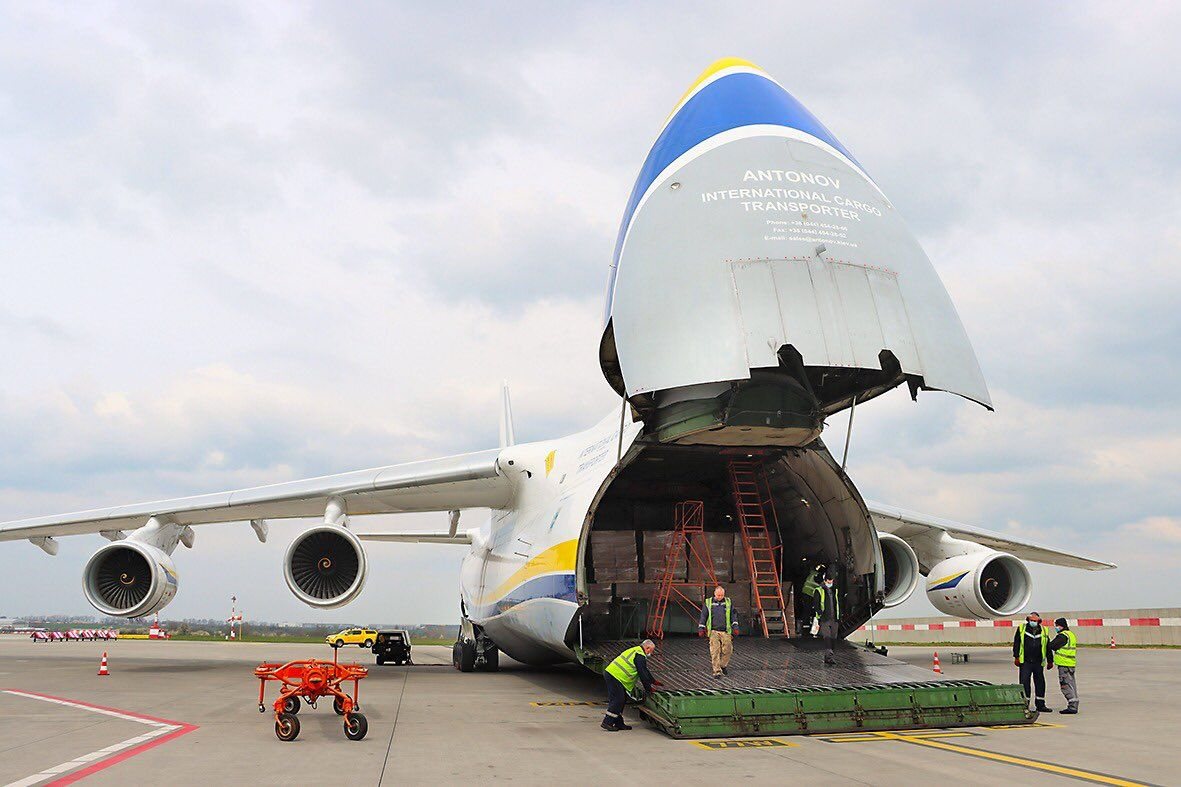
The explosive-drone incident at Leipzig/Halle Airport is not only a security story. It is a business-continuity problem for European logistics. A small unmanned aircraft carrying an explosive device reached a restricted area beside a Ukrainian Antonov An-124, temporarily disrupted operations and triggered a national investigation. Die Zeit now reports that surveillance footage may show the drone actually striking the aircraft’s wing.
The confirmed event occurred on the night of Aug. 4-5. The drone was discovered near the airport’s southern runway, close to the Ukrainian cargo aircraft. Bomb-disposal specialists neutralised the explosive. No injuries were reported, but the airport imposed temporary restrictions while authorities dealt with the threat.
The new Die Zeit account raises the potential loss scenario substantially. According to a reproduction of its report, video appears to show an object flying directly at the An-124 at about 7:30 p.m., striking a wing and falling away. The explosive may have separated during impact and failed to detonate. German investigators have not yet publicly confirmed that complete reconstruction.
If confirmed, the episode would illustrate extreme cost asymmetry. An An-124 is a specialised heavy-lift aircraft with few substitutes. A relatively small drone can be far cheaper than the aircraft, the cargo mission it supports or the economic disruption created by closing part of a major hub. The attacker does not need to destroy the aircraft to impose costs; forcing inspections, diversions and security shutdowns may already be economically significant.
Leipzig/Halle concentrates that exposure. Antonov Airlines made the German airport a central base after Russia’s full-scale invasion of Ukraine. Local reporting says six An-124s are stationed there. Concentrating maintenance, crews and aircraft in one hub improves operational efficiency but also creates a single location where a security failure can affect a significant share of a scarce fleet.
The same night produced another operational warning. A separate unidentified flying object collided with a cargo aircraft, causing minor damage and prompting a diversion to Hanover. Authorities have not established a connection between the two objects. For an airport operator, however, both incidents underline the same risk: low-altitude objects can affect flight safety and schedules whether or not they carry explosives.
Germany had already moved to strengthen counter-drone measures. Aviation-security legislation was updated in March, and the Federal Police is being given broader detection and response powers. The commercial implication is that airports and other infrastructure operators will face sustained capital and operating expenditure on sensors, communications, trained personnel and response protocols.
Counter-drone investment is difficult because airports cannot treat the airspace like an isolated military perimeter. Detection must distinguish legitimate activity from threats, and neutralisation methods must not endanger aircraft or interfere with safety-critical systems. That means operators need layered detection and tight coordination with state agencies rather than a single device marketed as an all-purpose solution.
The incident may also affect insurance and contractual risk. The legal classification of damage caused by criminal sabotage, terrorism or a state-directed operation can matter for coverage and liability. At present, German authorities have not identified the perpetrator. Officials have discussed a sophisticated or potentially state-linked threat, but they have not announced evidence proving Russian responsibility.
Another early report, that the Ukrainian Antonov carried ammunition, has been rejected by Germany’s Interior Ministry. Lawmakers were told there was no ammunition aboard. For businesses, this is a reminder that the risk is not limited to aircraft carrying a particular military cargo. A logistics platform can be targeted because of its strategic role, nationality, clients or symbolic value.
The incident also changes the meaning of resilience. Traditionally, a cargo hub plans for weather, technical failures, labour disruption, cyber incidents and conventional security threats. Small armed drones now belong in the same continuity planning. Operators may need protected parking concepts, more persistent low-altitude surveillance, alternative stands and rapid procedures for moving or inspecting high-value aircraft.
Die Zeit’s reported wing strike remains unconfirmed by authorities, and the precise drone type has not been established publicly. Social-media descriptions of an FPV drone go beyond the reliable technical record available so far. But neither uncertainty diminishes the operational lesson. An explosive-equipped drone entered the final protective layer around a strategic cargo asset. For European logistics, the cost of countering that threat will increasingly be part of the normal price of doing business.
43