Business 4 min read By Bethany Hadley
Kalshi’s biggest users include underage traders who bet $5bn this year
A CNN report finds that users barred from legal gambling in the U.S. have traded $5 billion on Kalshi this year, as the prediction market faces lawsuits and regulatory scrutiny nationwide.
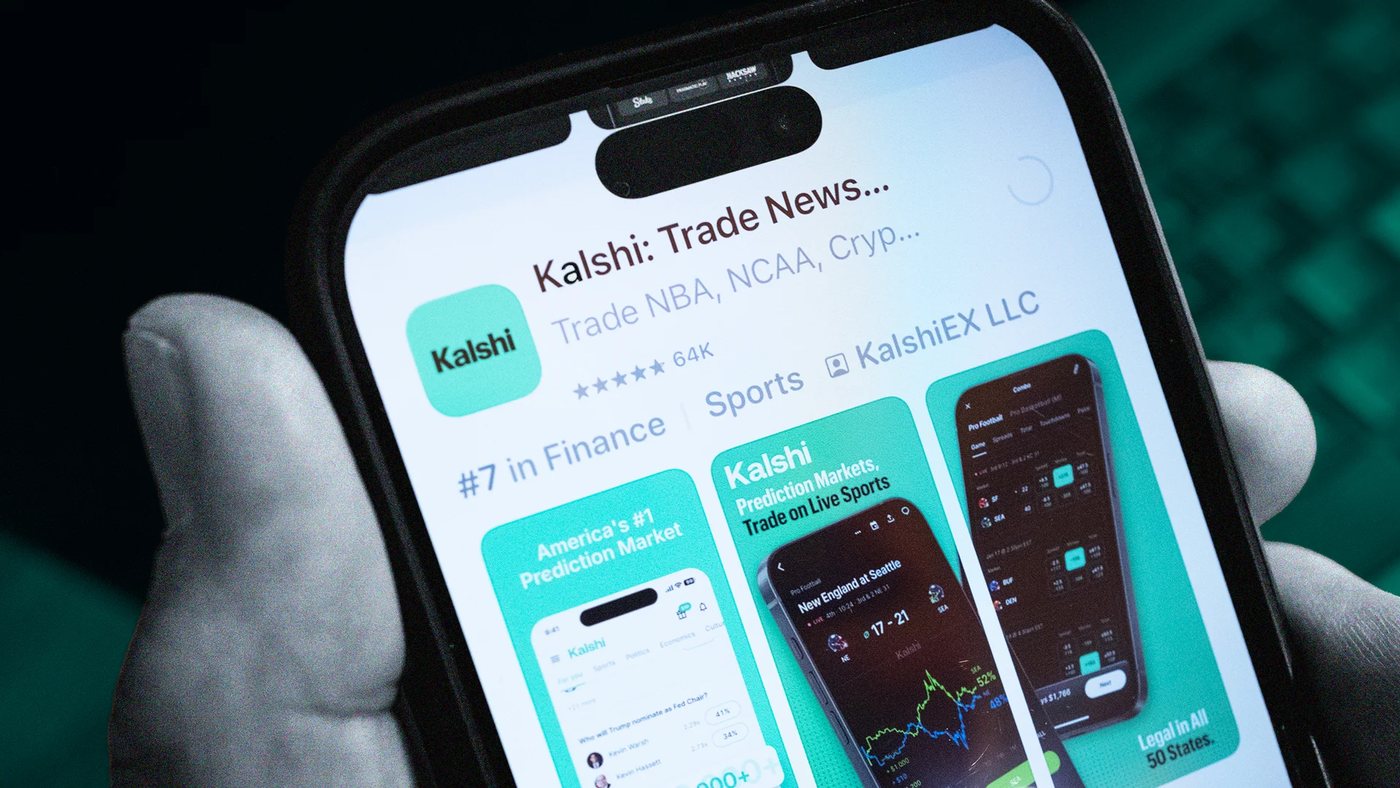
Kalshi, the online prediction market platform, has processed $5 billion in trades this year from users who are legally barred from gambling in the United States, according to a new CNN report. The finding intensifies pressure on the company as it faces lawsuits and regulatory scrutiny across the country over its operations.
The report identifies an age group mostly prohibited from gambling in the U.S. as a significant source of trading volume on the platform. Kalshi allows users to buy and sell contracts on the outcome of events ranging from elections to economic data releases, a model that has drawn comparisons to both financial markets and betting.
The revelation comes at a turbulent time for Kalshi. The company has been fighting legal battles over its classification as a regulated exchange rather than a gambling operation. Critics argue the platform circumvents state gambling laws, while Kalshi maintains it operates under federal commodity trading rules overseen by the Commodity Futures Trading Commission.
Kalshi has also been enforcing its own rules against insider trading. The company recently announced its first permanent ban, against former U.S. Representative George Santos, after finding reasonable cause that he engaged in insider trading over bets on whether he would attend the State of the Union address. Santos profited $17,839 from the trades before the company acted.
In that case, Kalshi’s Compliance Department said Santos was prohibited from trading over his attendance plans because he was capable of influencing the outcome. The department found he placed several large bets between Feb. 2 and Feb. 25 on whether he would attend and then spoke publicly to influence the price of the bets, including making false or misleading statements. The company imposed a $71,356 penalty alongside the lifetime ban.
The company also fined and temporarily banned Laurie Buckhout, a Republican congressional candidate in North Carolina, after she admitted placing bets of less than $1,000 on her own campaign. Kalshi levied a $2,589 fine and a three-year ban against her. Similar three-year bans were imposed on failed candidates for governor in California and Maine who bet on their own candidacies.
Santos, who was expelled from the U.S. House and later pleaded guilty to fraud and identity theft, received clemency from President Donald Trump after serving 84 days of a seven-year sentence. He dismissed the ban on social media, calling Kalshi “an unserious company” and the decision “frivolous nonsense.”
The enforcement actions highlight the compliance challenges facing prediction markets as they grow in popularity. With billions in trading volume and a user base that includes those who cannot legally gamble elsewhere, Kalshi faces questions about how effectively it can police its platform while expanding into new markets.
The company has said it cooperates with regulators and takes enforcement seriously, but the CNN report suggests that age verification and other safeguards may not be keeping prohibited users off the platform. As lawsuits and regulatory reviews continue nationwide, the findings could shape how U.S. authorities treat prediction markets in the coming months.
51