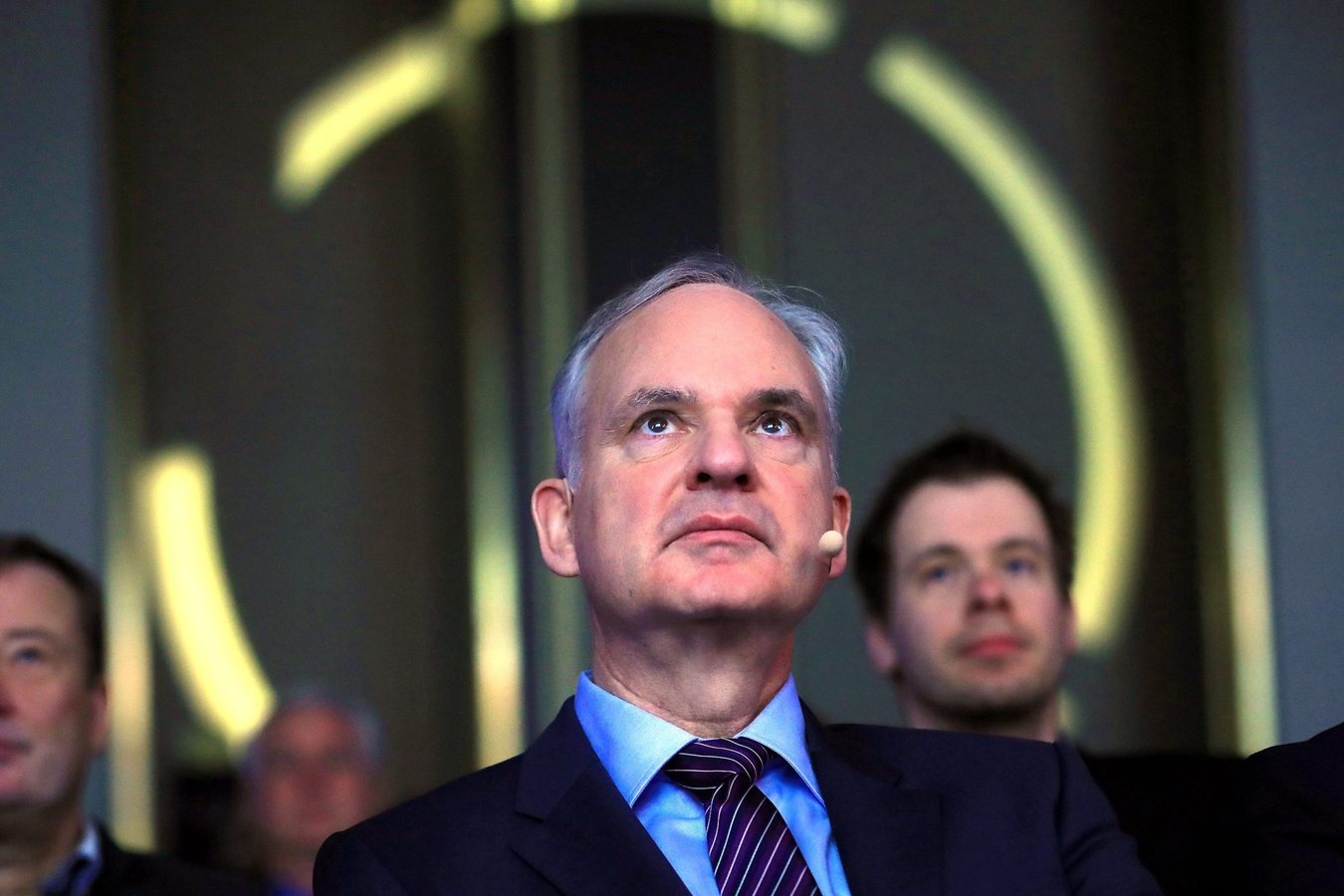
Business 4 min read By Callum Montgomery
General Mills beats Q1 2026 forecasts but shares slip on cautious outlook
General Mills reported first-quarter 2026 earnings above analyst expectations, yet its shares fell as investors focused on softer guidance and margin pressures. The US food group continues to navigate a tough consumer environment and input cost inflation.
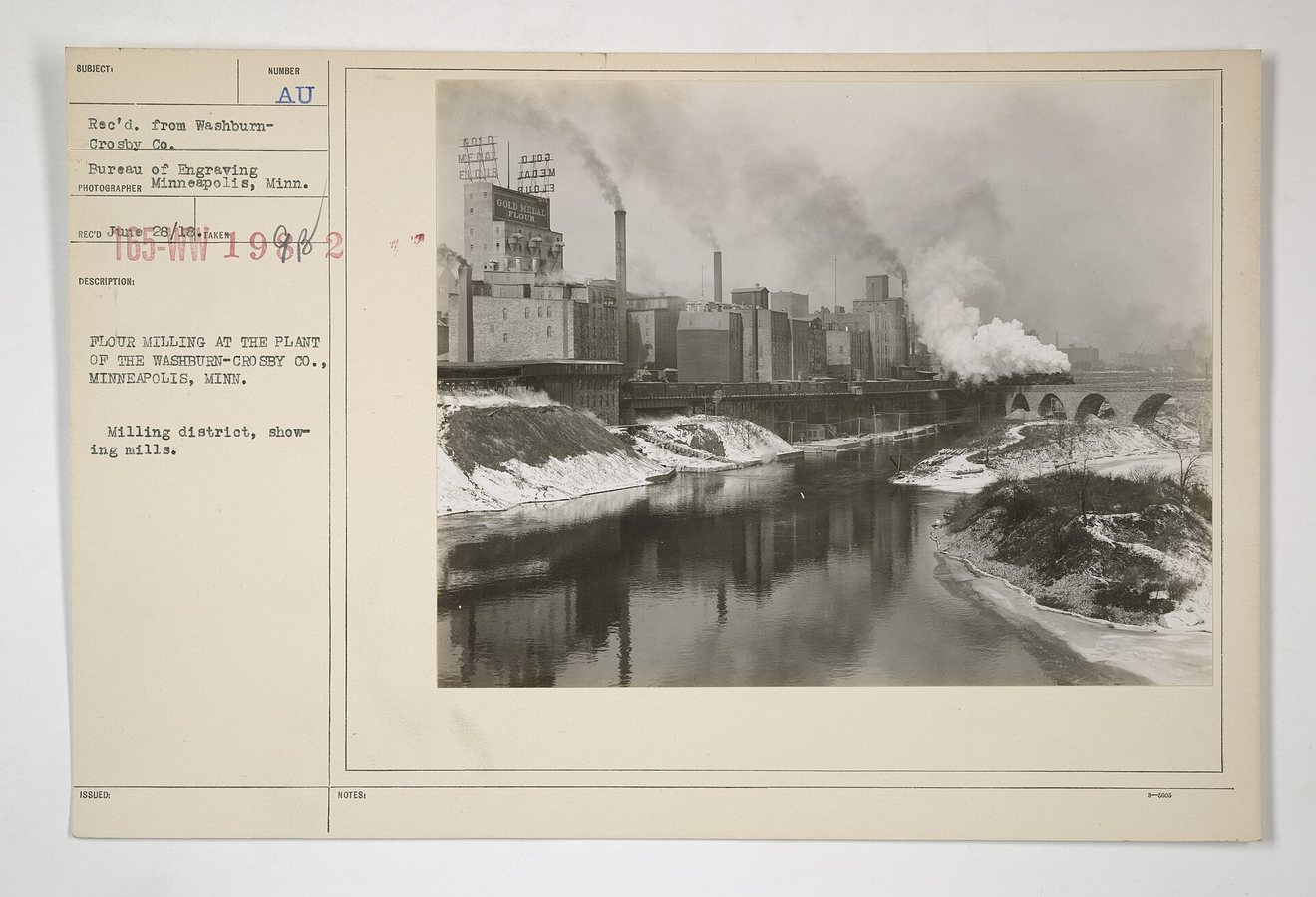
General Mills exceeded analyst expectations for its first-quarter fiscal 2026 results, but the company's shares declined as investors reacted to a cautious outlook and ongoing pressure on margins. The US food manufacturer, whose brands include Cheerios, Häagen-Dazs and Yoplait, reported earnings that topped consensus estimates on both revenue and profit, yet the market focused on signals of slower growth ahead.
The quarterly performance was driven by resilient demand in the company's core cereal and snacking categories, alongside cost-saving initiatives that helped offset persistent inflation in ingredients, packaging and logistics. However, like many consumer staples groups, General Mills faces a challenging backdrop in which shoppers remain price-sensitive and retailers push back on further increases. The company's shares slipped following the release, reflecting concerns that the earnings beat may not be enough to sustain momentum through the rest of the year.
Management highlighted that input cost inflation, while moderating from peak levels, continues to weigh on profitability. Executives also pointed to foreign exchange headwinds and a mixed consumer environment, particularly in North America where private-label competition has intensified. The company reiterated its commitment to brand investment and innovation, but analysts questioned whether those efforts can deliver volume growth in the near term.
On the earnings call, General Mills leadership outlined progress on its restructuring programme, which aims to streamline operations and reduce overheads. The company has been consolidating its supply chain and adjusting its product portfolio to focus on higher-margin segments. These measures are expected to yield savings that can be reinvested into marketing and product development, though the benefits will likely materialise gradually over the coming quarters.
The results come amid broader volatility in the packaged food sector, where companies are grappling with changing consumer habits, the rise of discount retailers and the growing popularity of fresh and private-label alternatives. General Mills has sought to adapt by expanding its presence in pet food and premium snacking, but competition remains fierce. The company's international business also faces uneven demand, with some emerging markets showing resilience while others lag.
Investors will be watching closely for signs that General Mills can sustain its earnings beat into the second quarter and beyond. The shares' negative reaction suggests that the market is pricing in a more difficult road ahead, despite the headline beat. With input costs still elevated and consumer confidence fragile, the company's ability to balance pricing, volume and investment will be critical.
General Mills reaffirmed its full-year guidance, but the lack of an upgrade disappointed some shareholders who had hoped for a stronger signal. The company's management emphasised a disciplined approach to capital allocation, including share buybacks and dividend payments, which continue to underpin the investment case for income-focused investors.
As the food industry navigates a post-pandemic normalisation of demand, General Mills remains a bellwether for the sector. Its performance in the coming quarters will offer clues about whether consumer staples can regain their defensive appeal in a market increasingly focused on technology and growth stocks. For now, the company has delivered on the bottom line, but the market's tepid response underscores that beating estimates is not enough to guarantee investor confidence.
6