Business 4 min read By Bethany Hadley
Democrats win Congress and Wall Street braces for tougher bank oversight
Democrats' control of Congress from early next year is expected to bring hearings and subpoenas for big banks, but analysts doubt it will quickly reshape bank rules while Trump keeps his veto and regulators stay in place.
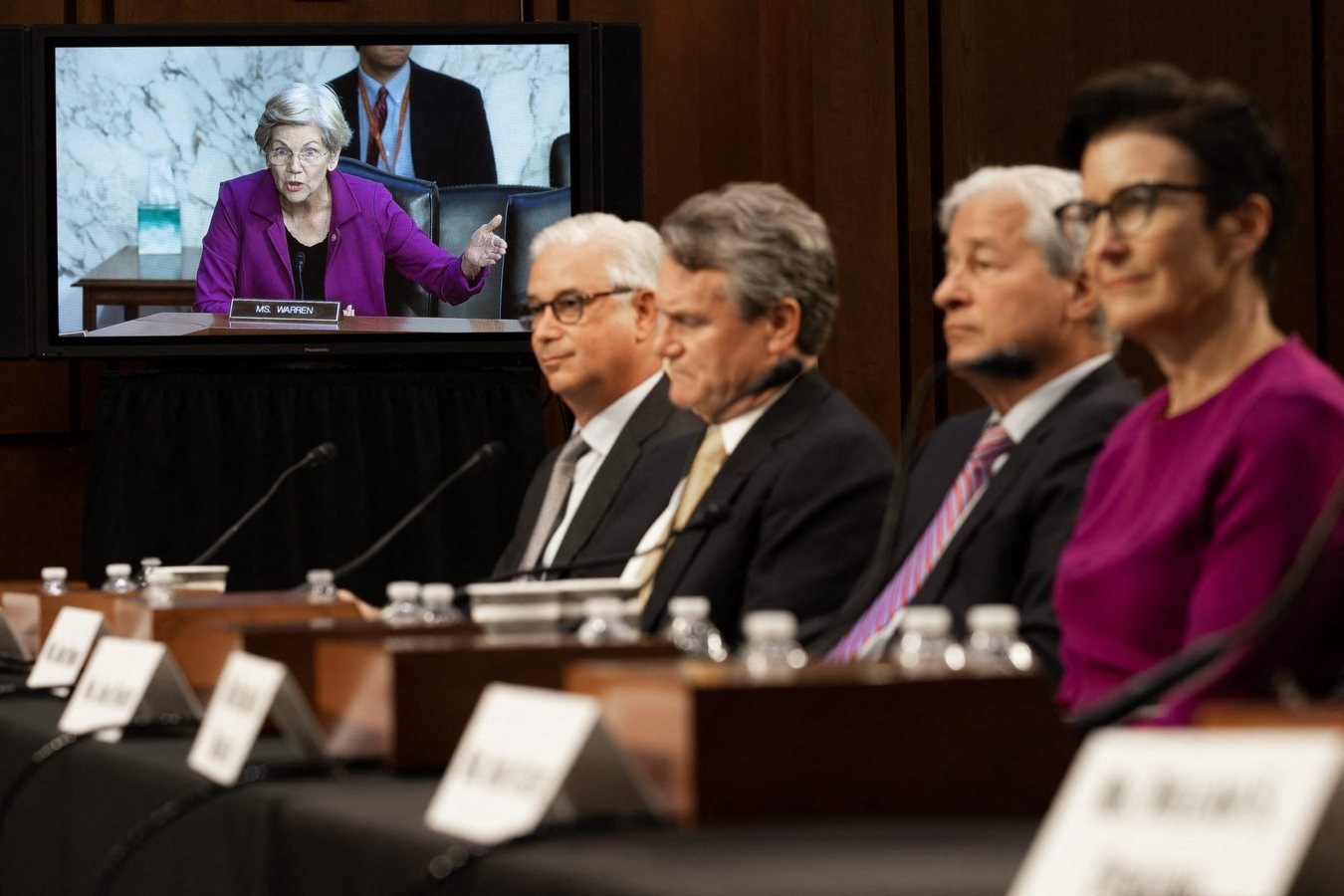
Wall Street is preparing for closer scrutiny from Washington after Democrats won control of Congress, though analysts expect the early impact to be mainly political rather than a sweeping change to banking rules. Democrats take control early next year, and the shift is widely expected to bring more oversight of the largest lenders, including hearings and investigative demands. Bank executives are watching the transition closely, but the prevailing view in the industry is that the coming months will bring more noise than structural change.
Senator Elizabeth Warren is expected to chair the Senate Banking Committee, a role that would give her a central platform on financial regulation. Warren has previously called for criminal investigations of bank executives, and she is likely to use the committee to press those demands. Senator Ron Wyden is expected to chair the Senate Finance Committee. On election night, Wyden posted the word «Subpoenas» on X, a signal of the aggressive posture some Democrats are expected to adopt. CNBC has reported that Senate Democrats are considering a probe of JPMorgan over its ties to Jeffrey Epstein. JPMorgan declined to comment to Fortune, leaving the scope and timing of any such inquiry unclear.
Analysts, however, see clear limits on what a Democratic Congress can achieve quickly. Mike Mayo has said that lawmakers have mandates and that their rhetoric is likely to set the tone of the debate, but that tone is not the same as binding policy. Ben Gerlinger, an analyst at Citi, said Congress can issue subpoenas but cannot reshape banks' business models on its own. Any binding legislation would still need to pass a president who retains veto power, and Trump's veto remains in place for the foreseeable future. The practical result is that Democratic gains in Congress mainly add leverage to hearings and document requests, not to the rules that govern lending, trading and capital.
Regulators are also unlikely to change course in the short term. Trump-appointed heads still run the Federal Deposit Insurance Corporation and the Office of the Comptroller of the Currency, and they continue to enforce existing bank rules. Under Trump, the FDIC rolled back Biden-era bank merger policies, and regulators relaxed key bank capital constraints. Those changes moved in the industry's favour during Trump's term, and they remain in effect. Bank earnings and capital levels are still described as strong, which gives the industry little immediate pressure to change its approach.
For lasting change, analysts say, new regulatory leadership would be needed after Trump leaves office, because the people who set and enforce policy at the FDIC and OCC would have to be replaced. Until then, the most visible effects of Democratic control are likely to come from hearings, subpoenas and public confrontation with bank executives, rather than from new rules that alter how lenders operate. For banks, the near-term task is to manage reputational and political risk while their financial position remains sound.
Source: fortune.com
6