

Business 4 min read By Arthur Ellington
Databricks Signs $22.8 Million Naming Rights Deal for Cal's Football Field
Databricks has agreed a $22.8 million sponsorship to put its name on the University of California, Berkeley's football field, the AI data platform's first college athletics deal and a branding play aimed at national television audiences.
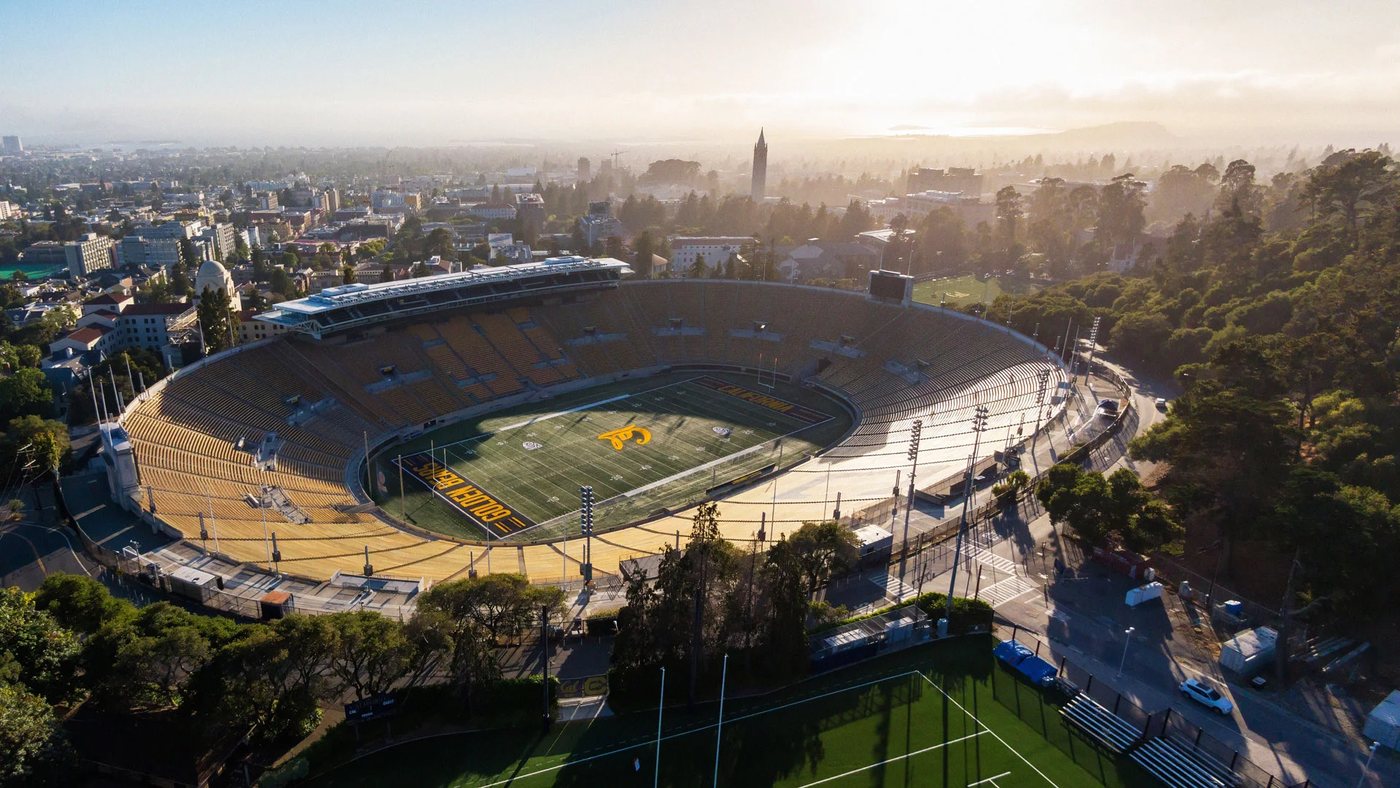
Databricks has agreed a $22.8 million sponsorship to put its name on the University of California, Berkeley's football field, marking the AI data platform's first foray into college athletics and a significant branding push onto national television.
The deal, reported by Inc., attaches the Databricks name to the home of the Cal Golden Bears, a venue that features regularly in televised college football coverage across the United States. For a company that built its business selling data and artificial intelligence software to enterprises, the sponsorship represents an unusual marketing channel — one that reaches a mass audience rather than the chief technology officers and data engineers who typically make up its customer base.
The sponsorship also brings Databricks back to the university where it started. The company was founded in 2013 by a group of researchers and engineers with ties to UC Berkeley, including figures associated with the AMPLab and the development of Apache Spark, the open-source data processing engine that underpins much of its technology. Returning to campus as a named sponsor is, in effect, a homecoming for a business whose origins are rooted in Berkeley's computer science community.
At $22.8 million, the agreement is a substantial outlay for a company that, while highly valued in private markets, continues to compete in a crowded market for data and AI infrastructure against rivals including Snowflake, Microsoft and Google. The sum places Databricks among a growing cohort of technology firms spending heavily on sports sponsorship to build mainstream recognition. Such deals are typically structured over multiple years and can include signage, naming rights, hospitality and digital branding components.
The strategic logic extends beyond the stadium itself. College football broadcasts draw millions of viewers each season, giving sponsors repeated exposure to a broad demographic that includes alumni, business leaders and consumers. For Databricks, whose brand is well known within technology circles but less familiar to the general public, the naming rights offer a route to wider visibility as it positions itself for potential future milestones, including a possible public listing.
The deal also reflects a broader trend of enterprise technology companies moving into sports and entertainment marketing. As competition for attention intensifies, firms that once relied almost entirely on developer conferences and technical content are increasingly turning to high-profile sponsorships to differentiate themselves. Naming rights for stadiums and fields have become a favoured route because they generate sustained exposure over the length of a contract rather than a single event.
For UC Berkeley, the sponsorship provides a significant injection of funds for its athletics programme at a time when many university sports departments face pressure on budgets. College athletics in the United States has become increasingly commercialised, with sponsorship and media rights forming a growing share of revenue. The Databricks agreement adds to that trend and underscores the value that major brands place on association with university sport.
The sponsorship is unlikely to change Databricks' core business, which remains focused on selling data lakehouse and AI platform services to enterprises. But it signals an ambition to build a brand that extends beyond the technology sector. Whether the investment translates into measurable commercial returns will depend on how effectively the company converts heightened awareness into customer relationships — a challenge that has faced many technology firms making similar moves into mainstream marketing.
7