
Business 4 min read By Alice Ashford
Billionaire farmland buying spree raises fears for American farmers
America's wealthiest are buying up vast tracts of farmland as an inflation hedge and hobby, but the trend risks pricing working farmers out of the market and forcing them into tenancy.
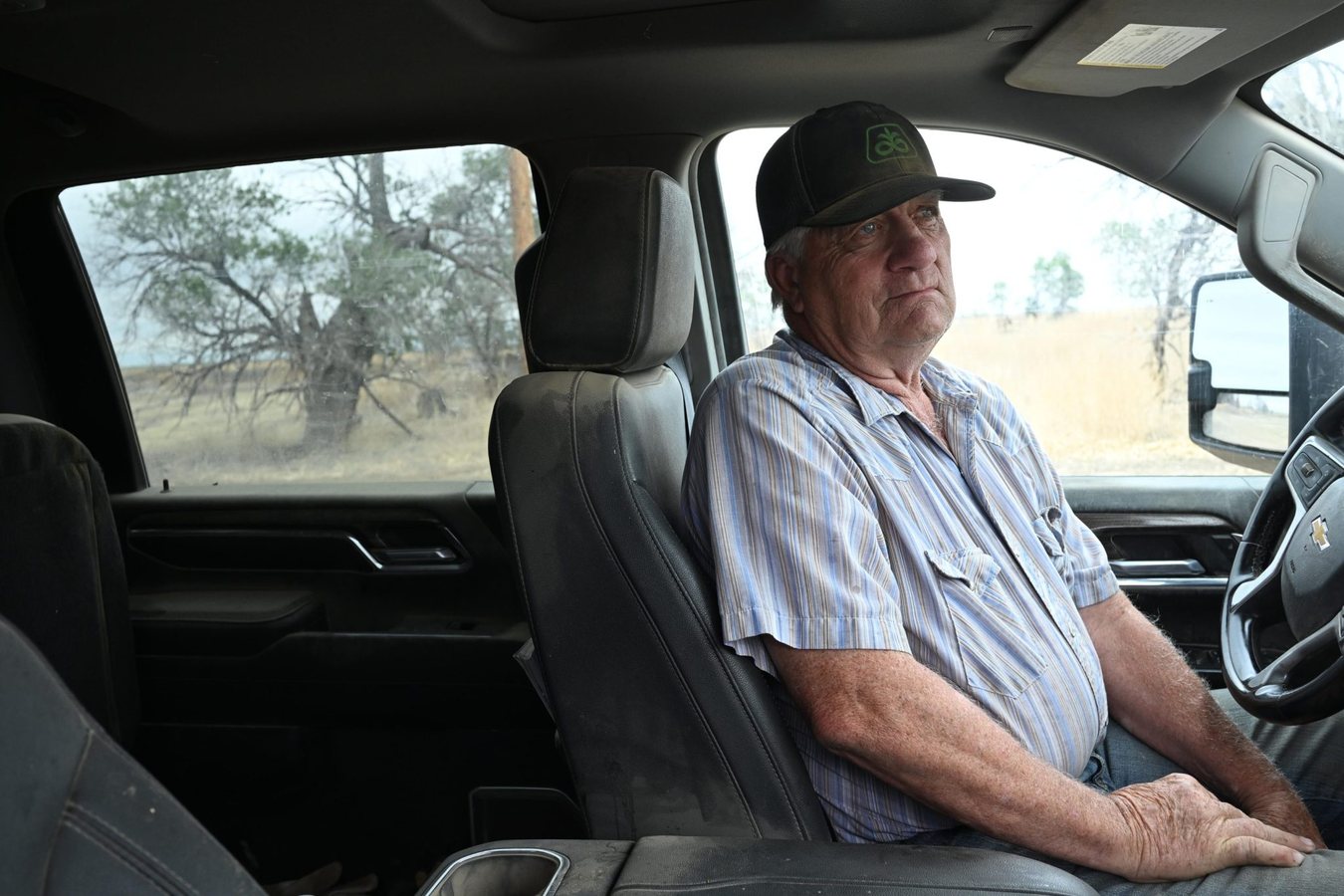
America’s wealthiest individuals are acquiring vast stretches of farmland, drawn by its appeal as an inflation hedge and, in some cases, a playground for elaborate hobbies. Agriculture advocates warn that this surge in demand is putting the livelihoods of working farmers at risk, as land prices climb beyond what many can afford.
High-profile examples have brought the trend into focus. Meta chief executive Mark Zuckerberg has described raising wagyu and angus cattle on his Ko’olau Ranch in Hawaii, a property valued at $300 million that has expanded to roughly 4,000 acres. Reddit co-founder Alexis Ohanian recently showcased his family farm in Florida, complete with banana shoots, an herb garden, and an apiary. These ventures, however, are modest compared with the holdings of other billionaires. Microsoft co-founder Bill Gates owns 275,000 acres, Amazon founder Jeff Bezos holds 462,000 acres, and Stan Kroenke, owner of the Los Angeles Rams, controls 2.7 million acres, according to the 2025 Land Report 100.
Farmland has grown into a $4.3 trillion asset class, according to Steve Bruere, president of agricultural real estate firm Peoples Company. For many of the ultra-wealthy, it offers a way to hedge against inflation and the volatility of traditional investments. The value of U.S. farms averaged about $4,350 per acre last year, a 4.3% year-over-year increase, according to U.S. Department of Agriculture data. The trend gained momentum after the 2008 financial crisis, when investors sought alternative safe-haven assets, mirroring the real-estate boom of the 1970s. Land is a finite resource that appreciates as costs rise, and some believe it will become even more precious as the global population grows.
The rising cost of land is making it harder for farmers to compete. Erin Foster West, policy campaigns director for the National Young Farmers Coalition, said the trend is particularly damaging for beginning farmers trying to acquire their first farm, as well as existing farmers who want to expand. Nearly 40% of U.S. farmland is now leased to farmers and operators, according to the USDA. While renting is not inherently negative, and rent for cropland has risen only 0.6% annually, farmers who rent lack full control over the land. This makes it difficult to make long-term investments in soil quality or infrastructure that could take years to pay off.
The deeper problem, Foster West explained, arises when farmers are forced into tenancy because they have been outbid on purchasable land. Without owning land, farmers cannot use it as collateral for loans to fund operations, cover children’s college expenses, or support their retirement. “The control over that land, having that asset in your possession, really can make a difference for a farmer to be successful,” she said.
Beyond financial strategy, there is also a lifestyle appeal. Bruere noted that many buyers appreciate the non-financial benefits of farmland, such as hiking, fishing, hunting, and growing food, a trend that emerged during the Covid-19 pandemic when people sought alternatives to being confined at home. Demand is also being fueled by AI hyperscalers looking for large tracts of land, including farms, for development.
73