Economy 4 min read By Arthur Ellington
Saudi Arabia's Vision 2030 push falters as war cuts foreign investment
Foreign direct investment into Saudi Arabia fell 18% in the second quarter as the US-Iran war and Houthi attacks deter investors, complicating Riyadh's plans to raise $100 billion a year by 2030.
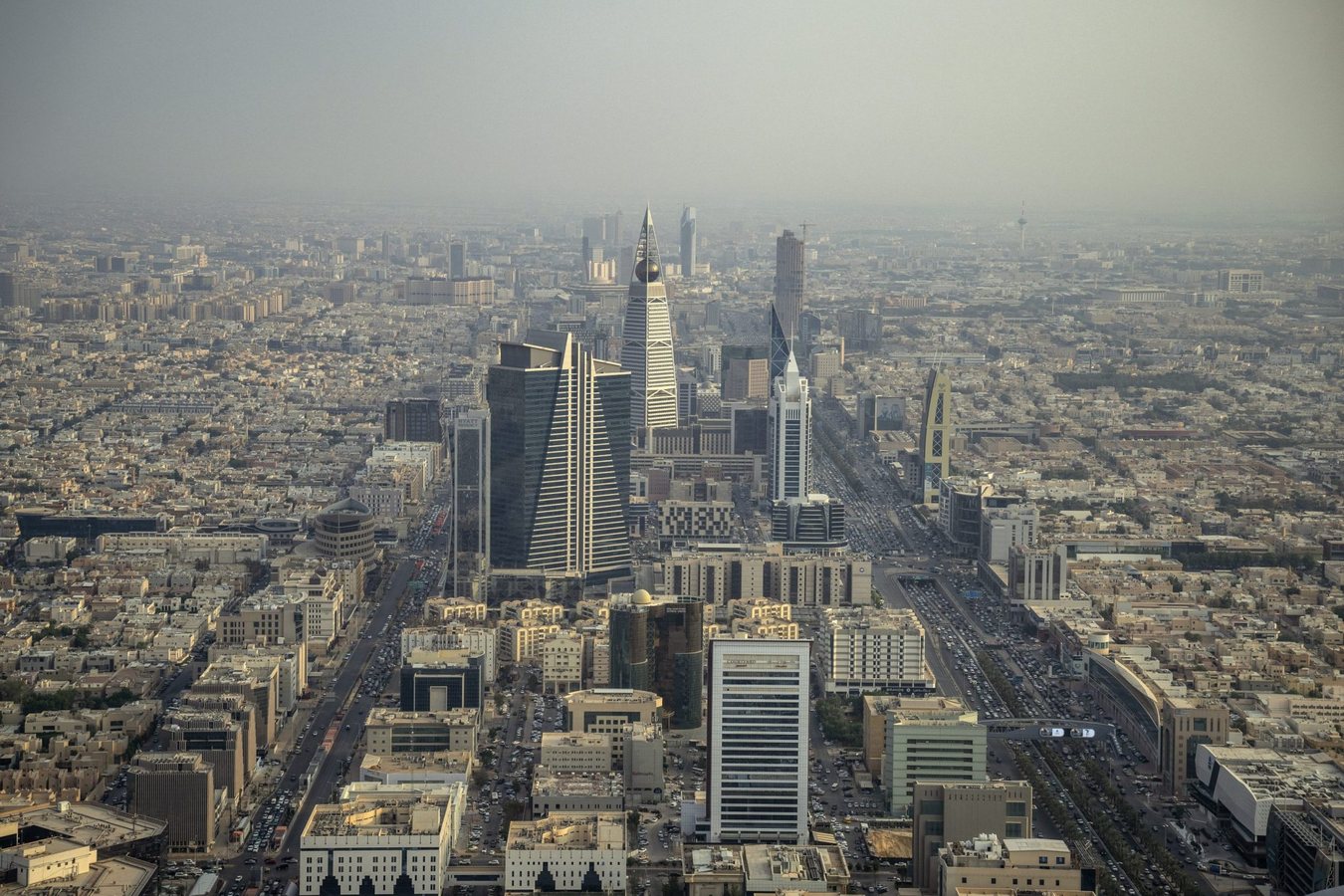
Foreign direct investment into Saudi Arabia fell 18% in the second quarter to SAR 22.3 billion, or about $5.95 billion, compared with the previous three months, as the widening US-Iran war and escalating Houthi attacks weigh on international investor appetite. The decline lands at an awkward moment for Riyadh, which is counting on outside capital to finance the economic overhaul set out under Vision 2030.
The kingdom is targeting $100 billion in annual FDI by 2030 to reduce the fiscal burden on the government and its sovereign wealth fund, the Public Investment Fund, while expanding the private sector and drawing in jobs and expertise. The latest figures suggest that ambition is coming under strain. Saudi bank lending to state-owned companies rose 18.4% year-on-year in August, roughly three times the 6% pace of credit growth to the private sector, a sign that the state remains the dominant engine of activity.
Public finances are also tightening. The Finance Ministry last week raised its estimated 2026 budget deficit to SAR 245 billion, or 4.9% of GDP, from SAR 165 billion, or 3.3%, in the original budget published at the end of last year. The revision reflects spending that has exceeded the original plan rather than a fall in aggregate revenue.
Moody's said in a report on Tuesday that the recalibration of Vision 2030, announced in February to concentrate on projects with the strongest returns and capital efficiency, should help ease pressure on the public purse. High-profile mega-projects such as Neom are being restructured, while the government is prioritising capital for sectors with strategic value, including logistics, manufacturing, utilities, digital infrastructure and artificial intelligence. «By resequencing projects and preserving financial buffers, the government can sustain its diversification push while maintaining fiscal prudence,» the ratings agency said. It nevertheless flagged volatility in oil prices and export capacity as key risks, forecasting that Saudi real GDP will contract 3.3% this year because of disruption to oil trade flows.
The war's impact on energy markets is already visible. Speaking at an energy forum in London on Monday, Saudi Aramco chief executive Amin Nasser said the US-Iran conflict had cut oil supply from the region by nearly 3 billion barrels and that global stockpiles are now «scarily thin».
Security conditions have deteriorated sharply in recent days. Yemen's internationally recognised government said on Tuesday that its forces had retaken several strategic positions along the western coast, including Mocha, Dhubab and areas around the Bab el-Mandeb Strait. The Saudi-led coalition backing the government has reportedly deployed 100 fighter jets flying round the clock to help secure the strait. The Houthis are said to be retaliating with intensified missile and drone attacks on Saudi targets, including airports, military facilities and an Aramco oil refinery.
On Monday, Turkey, Pakistan and Saudi Arabia agreed to deploy forces rapidly to Saudi Arabia in response to the Houthi attacks. The decision was taken at an emergency meeting in Riyadh and marks the first use of their Mecca Alliance for Defence since it was signed on 7 August.
For investors, the combination of war risk, thinner oil supply and a wider budget gap complicates the case for committing long-term capital to the kingdom. Riyadh's bet is that by narrowing its focus to higher-return projects it can keep the diversification drive alive without stretching its balance sheet further. Whether foreign investors return in sufficient numbers to meet the $100 billion target will depend heavily on how quickly the regional conflict is contained.
6